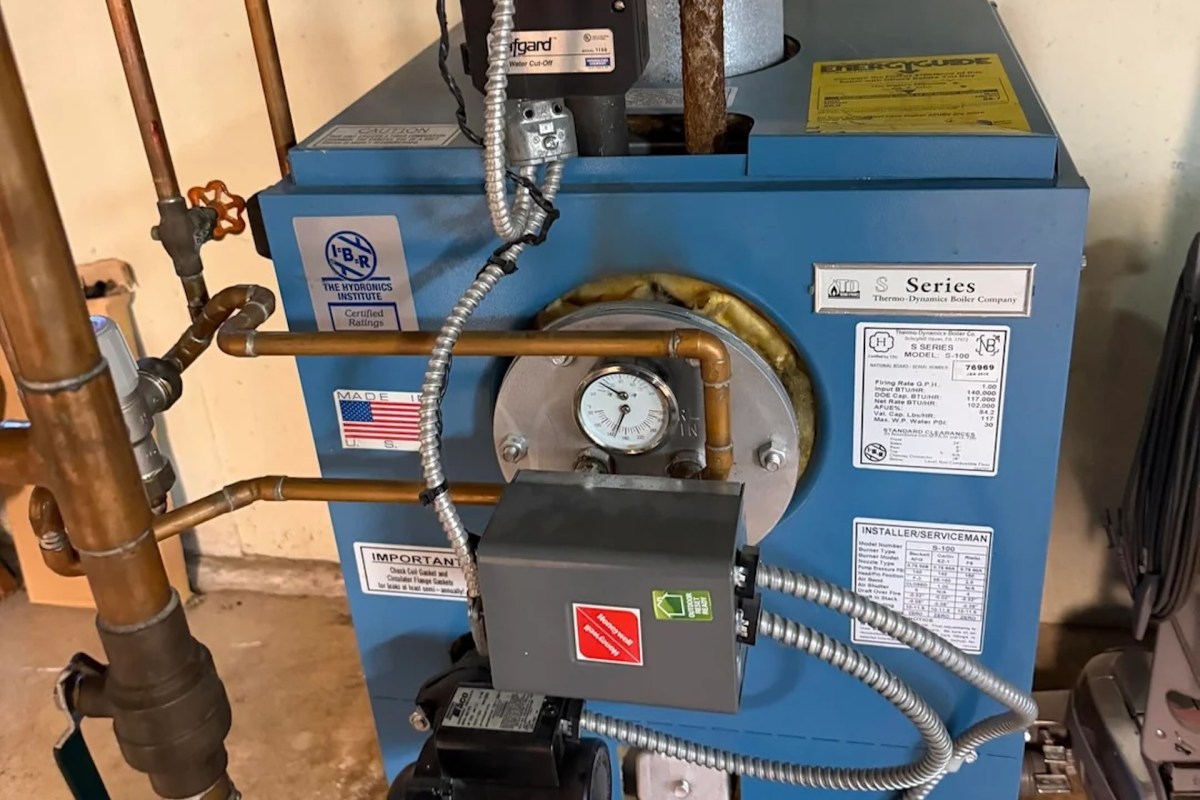
When one homeowner looked into converting their home's heating system to natural gas, the project turned out to be far more expensive than expected. A contractor quoted roughly $12,000, explaining that the switch would likely require replacing the home's entire heating system.
What's happening?
A homeowner described the situation in a post on Reddit, asking whether a $12,000 bid to convert the home's system to natural gas was reasonable.
According to the original post, their realtor said a conversion kit could potentially switch their current oil-based furnace into natural gas, but a local company rejected the idea, saying the entire system would need to be replaced.
The poster wrote, "Seems hard to believe everything needs to go to switch to natural gas, but I am not knowledgeable in this area."
In many cases, the best HVAC upgrade for a home depends on what equipment is already installed. A fuel switch can involve more than swapping out one burner for another. It may require a new furnace or boiler, gas piping, venting changes, permits, controls, and code upgrades.
That kind of sticker shock is one reason many homeowners are looking at heat pumps instead. Heat pumps are significantly more energy-efficient than traditional HVAC systems while providing both heating and cooling, and they can qualify homeowners for tax credits, rebates, and energy savings over time.
If you're looking to upgrade your home's HVAC system, you can compare options through EnergySage's Heat Pump Marketplace to find the best upgrade for your home and budget.
For homeowners who don't need to replace an entire HVAC system, Merino, another company, offers targeted heating and cooling systems that can be installed in about an hour. Designed for individual rooms, the systems provide an ultra-efficient, lower-cost alternative to a whole-home upgrade.
Save $10,000 on solar panels without even sharing your phone number Want to go solar but not sure who to trust? EnergySage has your back with free and transparent quotes from fully vetted providers in your area. To get started, just answer a few questions about your home — no phone number required. Within a day or two, EnergySage will email you the best options for your needs, and their expert advisers can help you compare quotes and pick a winner. Solar panels can save you more than $50k over their 25-year lifespan, and EnergySage can help you save as much as $10k on installation. Which begs the question — isn't that worth an email or two? |

Why does it matter?
A large HVAC quote can change the math of a home upgrade. If a homeowner has to replace major equipment anyway, paying thousands to switch from one fossil fuel to another may not be the best long-term option, especially once gas bills, maintenance, and utility hookup costs are added to the equation.
A heat pump can handle both heating and cooling in one system, so a household comparing replacement options may be able to avoid paying for a separate AC upgrade later.
What can I do?
If you get a quote like this, start by asking for a line-by-line scope of work. Homeowners should find out whether the price includes new equipment, gas line installation, venting, duct or piping changes, permits, and any electrical work. Then get at least two more estimates.
It also helps to ask contractors whether the system truly must be replaced or whether they simply will not modify it because of safety, liability, or code concerns. Those are very different answers.
If a full replacement is already on the table, EnergySage's Heat Pump Marketplace can help homeowners compare heat pump options before committing to a natural gas conversion.
And, if you're looking to save even more on energy bills, EnerySage also has free tools for homeowners looking to install solar panels. Those who consult with EnergySage experts can save up to $10,000 on the cost of solar installations.

Get TCD's free newsletters for easy tips, smart advice, and a chance to earn $5,000 toward home upgrades. To see more stories like this one, change your Google preferences here.