For homeowners in hurricane-prone areas, planning for backup power can quickly become a serious logistical challenge.
One Redditor's setup shows that the biggest issue is not always the generator itself — it can be the fuel supply behind it.
What's happening?
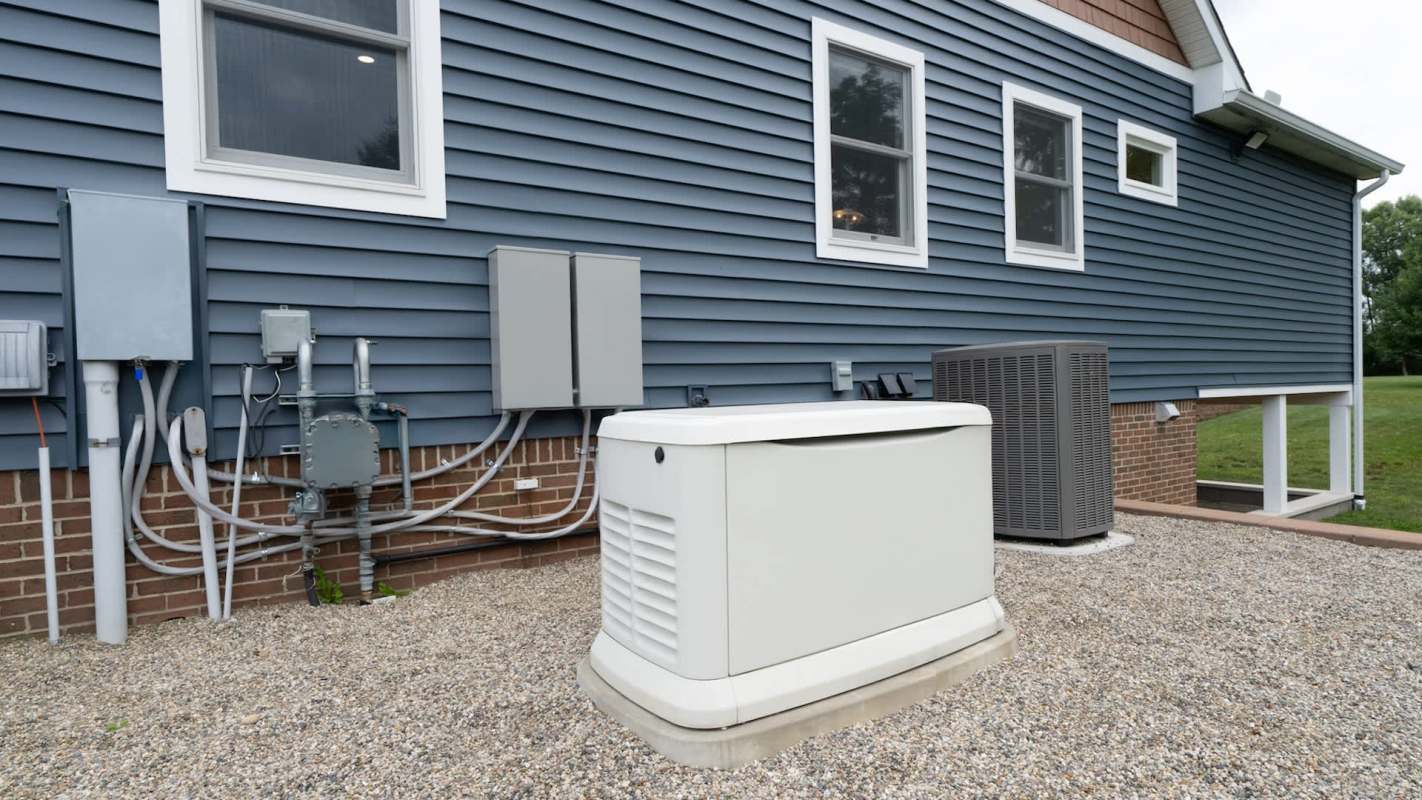
In a Reddit post about storm preparation, the homeowner said they had installed "a hard mechanical interlock" to avoid dangerous backfeeding and had ordered a new 60-amp breaker and plugs to feed power through the home's main panel.
As Reddit users discussed, they planned to use a Winco WL19000VE generator while keeping a repaired Generac 15k unit available as a backup.
The homeowner's biggest concern, though, was fuel availability after a hurricane. The homeowner said, "I can't get natural gas, and I have heard propane can be harder to get than gas after a hurricane."
Why does it matter?
After hurricanes, propane deliveries can be delayed, tank exchanges can run out, and local demand can spike quickly. Gasoline can also become difficult to find, though some homeowners believe it may still be easier to locate once stations reopen.
What can I do?
If you rely on generators, it helps to plan around your likely outage length and your local fuel options. Testing both units ahead of a storm, rotating stored gasoline, safely storing propane, and knowing which appliances truly need power can all make a backup plan more affordable and more effective.
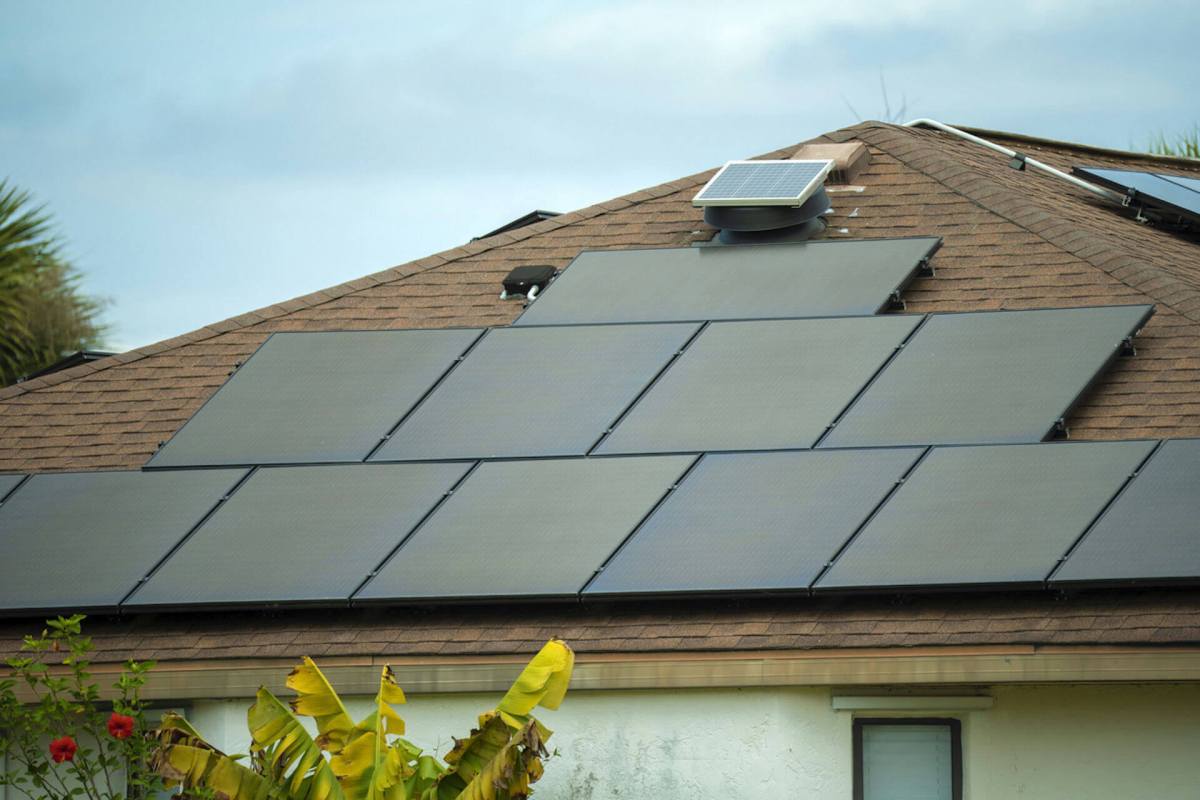
For homeowners looking beyond fuel-powered backup, going solar is one of the best ways to save money on home energy. You can explore EnergySage's free tools to get quick solar installation estimates and compare quotes.
Save $10,000 on solar panels without even sharing your phone number Want to go solar but not sure who to trust? EnergySage has your back with free and transparent quotes from fully vetted providers that can help you save as much as $10k on installation. To get started, just answer a few questions about your home — no phone number required. Within a day or two, EnergySage will email you the best local options for your needs, and their expert advisers can help you compare quotes and pick a winner. |

Additionally, EnergySage's solar map shows the average cost of a home solar panel system on a state-by-state level, along with details on solar panel incentives for each state. Together, these resources can help you get the best price for rooftop solar panels and access available incentives.
If you add battery storage to your solar setup, it increases your ability to protect your home during outages, saves you money, and allows you to go off the grid.
Home batteries can keep key appliances running without the noise, fumes, or fuel concerns that come with generators. You can explore EnergySage's free tools for information about home battery storage options, including competitive installation estimates.

Get TCD's free newsletters for easy tips, smart advice, and a chance to earn $5,000 toward home upgrades. To see more stories like this one, change your Google preferences here.
More From EnergySage
💡Go deep on the latest news and trends shaping the residential solar landscape