


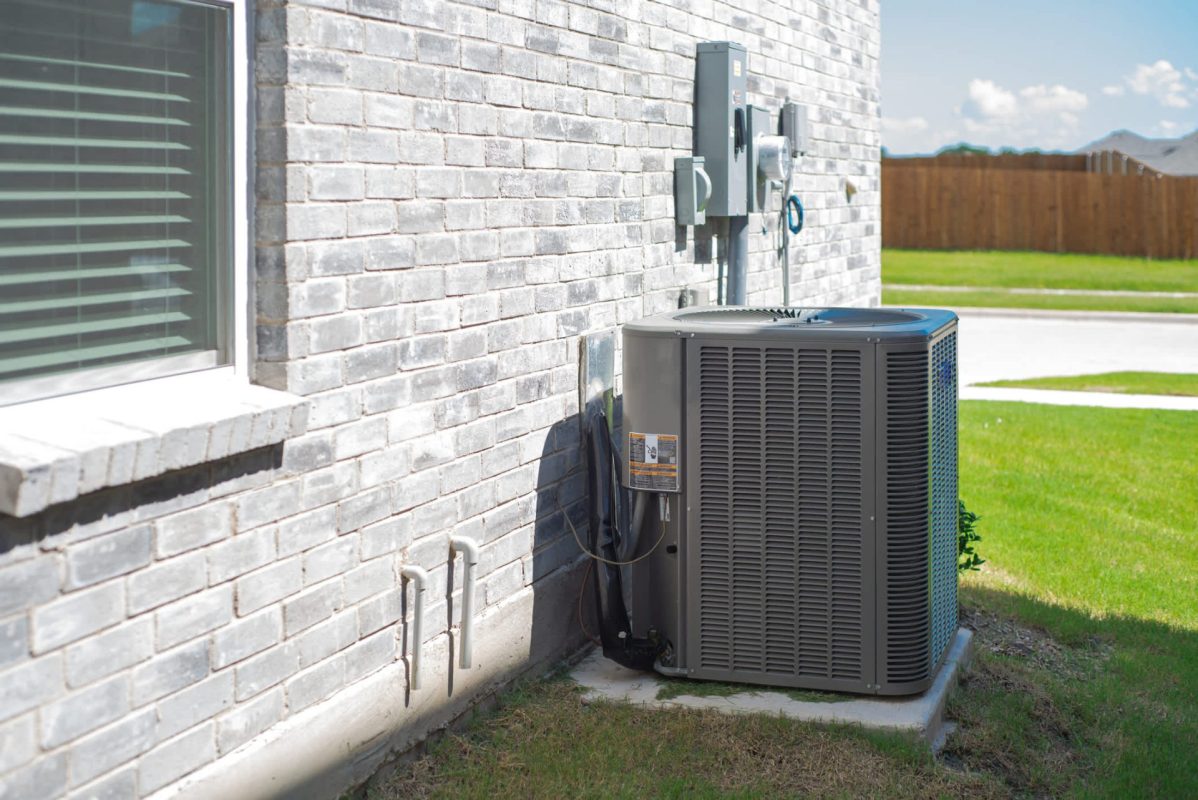
When an air conditioner fails in the middle of summer, homeowners rarely have much time to weigh their options. That pressure can intensify when the replacement quote climbs into the thousands and every dollar matters.
One homeowner on a fixed income has now faced exactly that situation after their aging system finally stopped working.
What's happening?
In a post on Reddit, the homeowner explained that a 2009 Goodman stopped working when its compressor seized, and two companies said that replacing it would make more sense than repairing it.
One estimate priced the job at $8,200 for a 3-ton Carrier system rated at 16 SEER. The total included the condenser, air handler, thermostat, permit, and 10 years of warranty coverage.
The homeowner's primary concern was making sure they weren't overpaying at this price, but they also said it's important to them that they don't get "the cheapest option that falls apart in 3 years."
For shoppers in that position, it can also be worth comparing heat pump options instead of simply replacing an old AC with a similar setup. Heat pumps are significantly more energy-efficient than traditional HVAC systems because they provide both heating and cooling while using less energy, which can mean lower utility bills over time, along with tax credits, rebates, and other savings. Tools such as EnergySage's Heat Pump Marketplace can help homeowners compare those options.
For smaller spaces or more targeted upgrades, Merino offers targeted heating and cooling options.
The Reddit comments unanimously agreed that the $8,200 quote was a fair price. One user wrote: "Carrier's good. Price is good. Warranty's good … Go for it."
Save $10,000 on solar panels without even sharing your phone number Want to go solar but not sure who to trust? EnergySage has your back with free and transparent quotes from fully vetted providers in your area. To get started, just answer a few questions about your home — no phone number required. Within a day or two, EnergySage will email you the best options for your needs, and their expert advisers can help you compare quotes and pick a winner. Solar panels can save you more than $50k over their 25-year lifespan, and EnergySage can help you save as much as $10k on installation. Which begs the question — isn't that worth an email or two? |

Why does it matter?
Because cooling equipment often fails without warning, replacing it can quickly become a major household expense — particularly during the hottest part of summer.
For households on fixed incomes, the choice between affordability and durability can be especially difficult. A lower-priced system may raise concerns about how well it will hold up, while a more expensive option can be tough to fit into the budget right away. That is why it is important to compare more than the headline price, including warranty terms, labor, efficiency ratings, and permit fees.
A more efficient replacement can lower monthly utility bills, especially compared with an aging system from 2009.
For homeowners trying to estimate those potential savings before replacing a system, EnergySage can make it easier to compare high-efficiency options and available financial incentives.
What can I do?
If you're facing a similar quote, get at least two or three bids and ask each contractor for the same details: equipment brand and tonnage, efficiency rating, warranty coverage, permit costs, and whether any ductwork or electrical upgrades are included. That makes comparisons easier.
It may also be worth asking whether a heat pump would work for your home. Since heat pumps can handle both heating and cooling while using less energy than traditional HVAC systems, they may offer savings, especially when paired with rebates or federal tax credits. Comparing bids through EnergySage's Heat Pump Marketplace can help homeowners sort through brands, pricing, and incentives.
Homeowners looking to reduce their overall energy costs even further may also want to look beyond HVAC alone. If you're looking to cut your energy bill even further, EnergySage also offers a free solar quotes comparison tool. With EnergySage's help, the average person could get nearly $10,000 in incentives for solar purchases and installations.
Ultimately, commenters praised the homeowner's smart decision, with one Redditor writing: "Great move going full system instead of just the condenser. Mismatched old air handler + new condenser = efficiency loss + warranty gaps. You dodged that," and another saying that with the price, the "math checks out."

Get TCD's free newsletters for easy tips, smart advice, and a chance to earn $5,000 toward home upgrades. To see more stories like this one, change your Google preferences here.






