


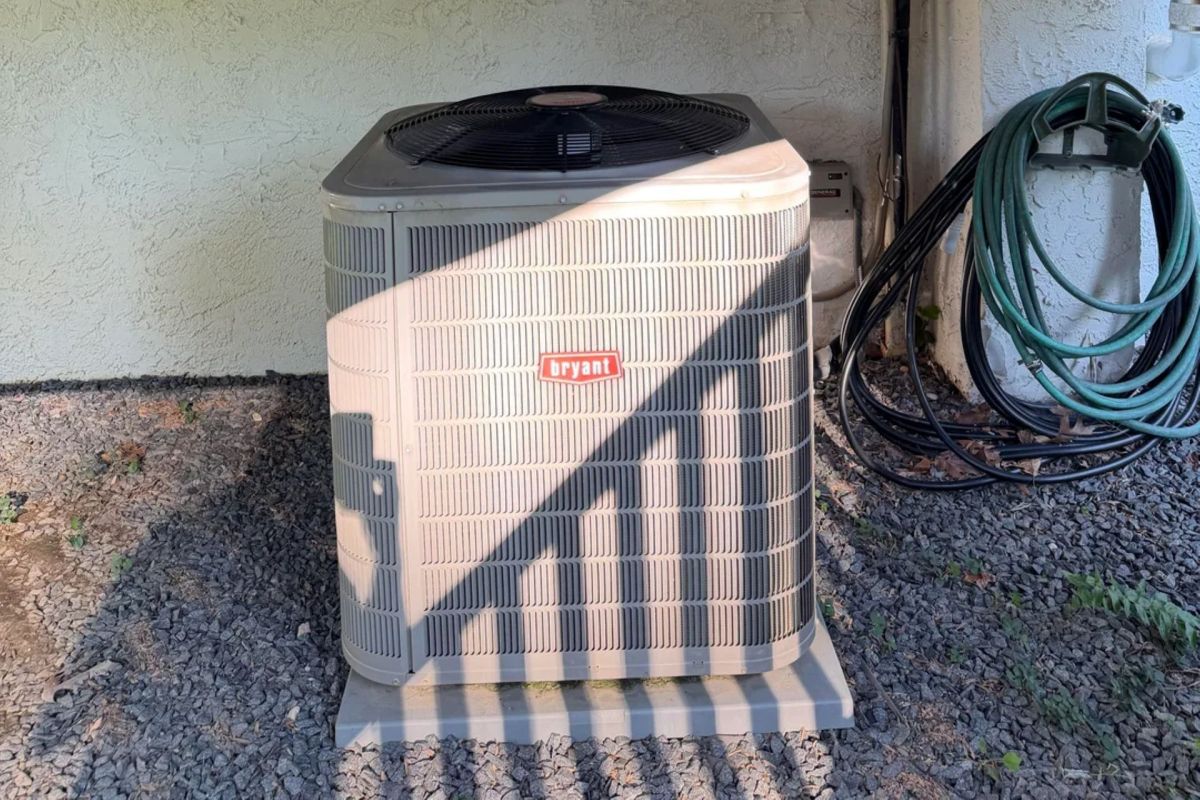
A new homeowner on Reddit discovered an easy-to-miss AC problem. The outdoor condenser fan at the house was pushing air down and out the sides instead of up. Even a small wiring issue like that can make a system work harder than necessary.
Heating and cooling systems are often among the biggest drivers of a home's utility bill. Making sure an HVAC system is running efficiently is one place to start.
Here's what to know
In a Reddit thread, the poster said a Century fan on the condenser was blowing downward into the unit. With a deck positioned 49 inches above the fan and the motor able to reverse by changing the wires, they asked which direction made the most sense.
Replies suggested the fan's direction was wrong. One commenter offered a blunt response, writing, "Up. It's designed to blow up. It's wired backward." Another said the problem was probably related to a reversible replacement motor and that the connector likely needed to be flipped.
After making the change, the homeowner returned to update the post, writing, "I reversed the fan to blow upwards. I will keep an eye on how it runs."
If you're starting to wonder whether your own system is outdated or costing you more than it should, Palmetto's Comfort Plan network can help you find efficient heating and cooling solutions for your home and connect you with vetted installers. Palmetto can also help you understand your HVAC options and slash your energy bills with new, efficient HVACs and heat pumps.
More background
For most central AC systems, the outdoor condenser is designed to pull air through the coil and discharge it upward. If that airflow is reversed, heat may not leave the system as intended, reducing efficiency and putting extra strain on the equipment.
Limited clearance above a condenser can make airflow problems harder to evaluate. One commenter with years of experience said they had handled a unit installed under a deck where hot discharge air kept recirculating and "eventually trip[ped] high pressure." In that situation, reversing the setup served only as a temporary fix until the equipment could be moved.
Crushed by your bills? See instant solar savings from vetted installers in just a few clicks With energy prices through the roof, there's never been a better time to go solar — and EasyHome can help you find the best prices from the best installers in your area. EasyHome takes the guesswork and headaches out of energy upgrades by showing you estimated savings from a network of vetted local partners. To get started, just enter your ZIP and share a few details about your home — seeing your estimate is really that easy. |

The homeowner also said the furnace was 23 years old and planned to replace it with "a heat pump with propane backup."
What can be done?
If you notice weak cooling, unusually high electric bills, or strange airflow around your outdoor unit, it may be worth having a professional inspect the system. A wiring issue, bad capacitor, blocked airflow path, or poor placement can all affect performance — and in some cases, safety.
As one commenter warned, "To anyone who doesn't know, capacitors can hold lethal charges for a very long time."
If you do need an upgrade, but aren't ready to spend up on a new unit, Palmetto can help there too. Through Palmetto's Comfort Plan, you can explore $0-down options that can slash your energy bill by up to 50%, and it even includes 12 years of free maintenance so situations like this don't pop up.
You can also drive your utility costs even lower by pairing solar panels with electric appliances such as efficient HVACs. EnergySage makes it easy to find the best solar system and installer for your home and budget.

Get TCD's free newsletters for easy tips, smart advice, and a chance to earn $5,000 toward home upgrades. To see more stories like this one, change your Google preferences here.






