


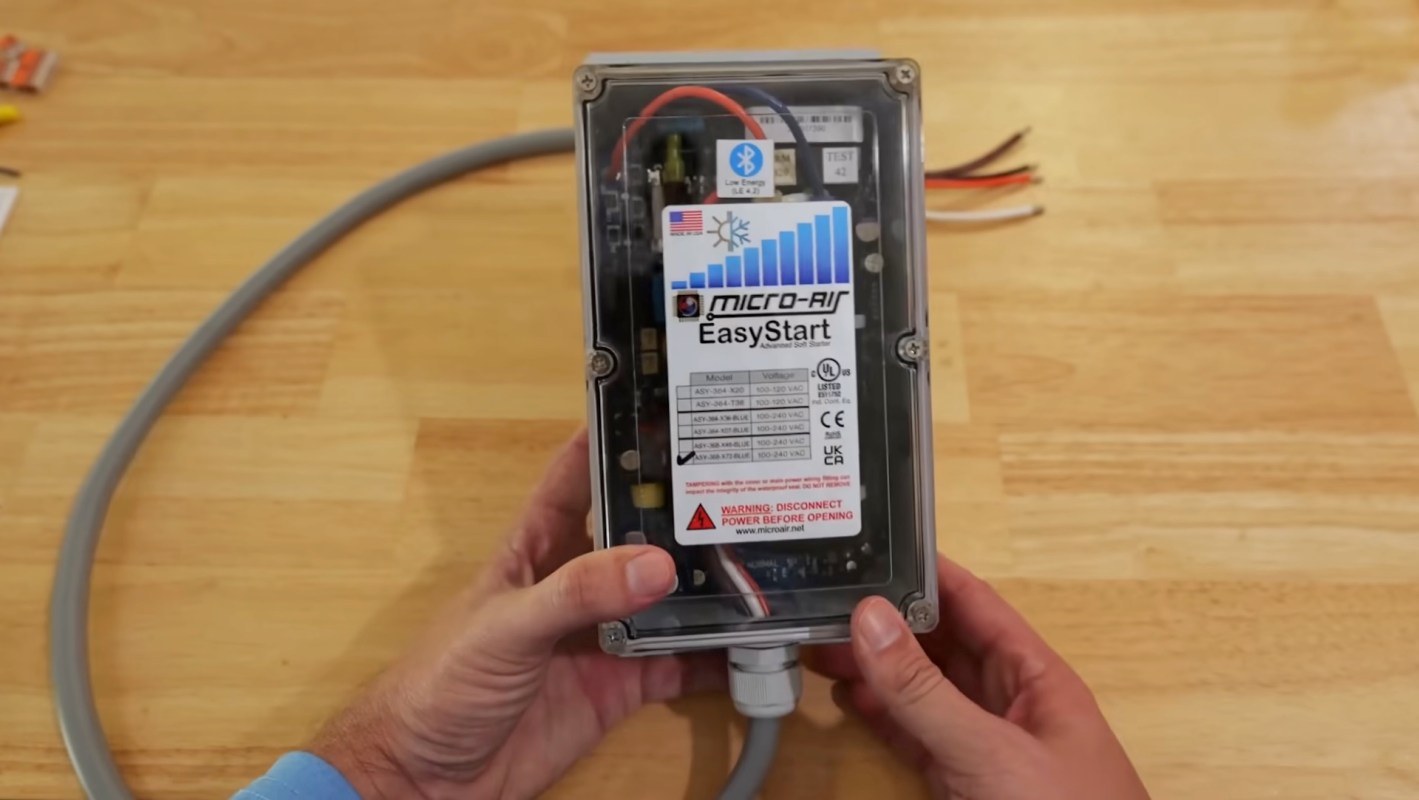
A homeowner on Reddit said a backup setup kept the air conditioning running during an outage caused by a car hitting a utility pole, underscoring how planning ahead can protect comfort during extreme heat
The user drew attention after explaining how a generator, a panel interlock, and an HVAC soft start kept the central air and refrigerator running while nearby homes waited for the power to come back.
Here's what to know
In a post on Reddit, a homeowner said the electricity had been off since 1 p.m. after a car struck a utility pole at the end of the street. By 8 p.m., the outage was still ongoing, and service wasn't expected to be back until 11 p.m.
Even so, the home had a backup arrangement in place that kept the AC on and the refrigerators powered.
"It was almost 90 degrees today, and thanks to the gen, I'm sitting here in the AC, refrigerators are running, etc.," the original poster wrote.
According to the post, the system included a soft starter for a 3-ton central HVAC unit, a panel interlock, a buried backfeed line to the house, a custom shed, and a WEN GN875i inverter generator.
TCD Picks » Quince Spotlight
💡These best-sellers from Quince deliver affordable, sustainable luxury for all




Keeping refrigerators cold can help households avoid food spoilage, while maintaining AC during extreme heat can prevent miserable indoor temperatures and reduce costs tied to emergency ice runs or a last-minute hotel stay.
More background
One notable detail in the post was the fuel trade-off. The homeowner said the setup also included a buried natural gas line and a US Carburetion tri-fuel kit, but natural gas wasn't providing enough wattage to run the AC, so the generator was being operated on ethanol-free gasoline instead.
Air conditioners, in particular, can require a major surge of power when they first kick on, which is why the soft starter appeared to be such an important part of this setup.
"Wait until you have an automatic standby generator. I don't even think about power outages anymore," one commenter wrote. Others noted that even whole-home systems come with inconveniences, from refrigerator alarms going off to electronics rebooting after transfer delays.
In hot climates or outage-prone areas, a carefully planned backup setup can help protect comfort, convenience, and household expenses at the same time.
What can be done?
A generator alone may not be enough to run central air, but reducing startup demand with a soft starter can make a major difference, especially for people trying to get more out of an existing unit instead of buying a much larger system.
Fuel choice also matters. The poster's experience suggests natural gas may be more convenient but not always powerful enough for every household load, while gasoline can deliver stronger performance when cooling is the top priority.
That kind of real-world calculation can help households avoid overspending on equipment that doesn't match their actual needs.
For some families, a portable generator with an interlock may also represent a more budget-friendly middle ground than a full standby system. One commenter explained why that route made sense for them.
"Our power doesn't go out enough to substantiate the cost for a standby so portables do the job well," they wrote.
Commenters also mentioned using compact UPS units for routers and electronics to reduce the hassle of short interruptions and repeated reboots.
As one commenter put it: "The worst part about power outages with an automatic standby is my refrigerator beeping due to the 10-second lag between the outage and the transfer. Very happy and fortunate to have the setup."
Where can I learn more?
Generators are just one piece of the puzzle when households are trying to keep the house cool and essential devices running during an outage. Other approaches, including home batteries and AC maintenance, can also affect how a home handles heat, blackouts, and high utility bills.
• In New York City, homeowners are using off-grid batteries for AC to stay cool during outages.
• Pila Energy says its plug-and-play home batteries can smooth outages without fuel storage.
• Cleaning an outdoor unit helps central air run more efficiently in punishing heat.
The best setup depends on the home and the kind of outages it faces. A well-matched mix of backup power, cooling equipment, and basic efficiency upgrades can make heat waves and blackouts much easier to get through.

Get TCD's free newsletters for easy tips, smart advice, and a chance to earn $5,000 toward home upgrades. To see more stories like this one, change your Google preferences here.






