


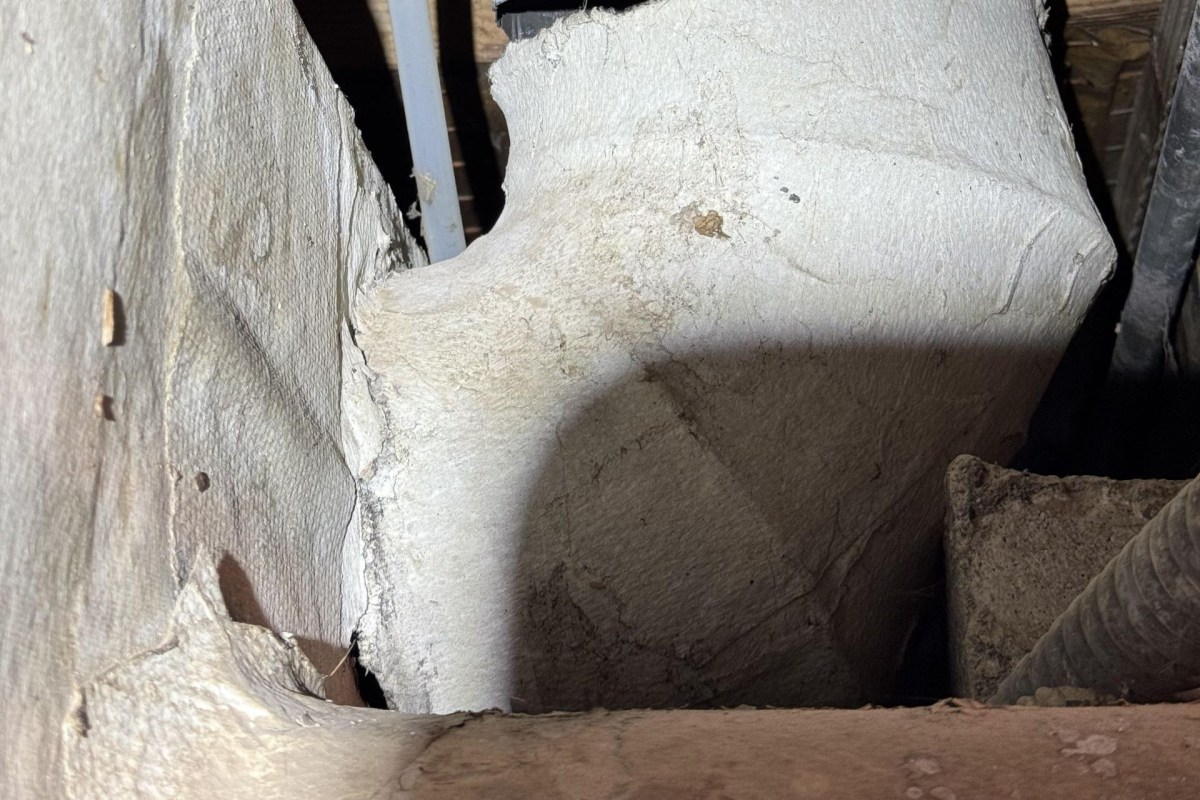
A homeowner trying to stop cool air from leaking out of a basement duct got a far more alarming answer than expected: Multiple commenters confirmed their fear and said the brittle material around the gap appeared to be asbestos.
What happened?
The homeowner wrote in a Reddit post: "My old house is poorly insulated and struggling to stay cool this summer. Noticed the basement where the header is was nice and cool. Followed the cool air to a huge gap in the ducting."
"I'm very anxious to mess with it though," they continued, "because this looked like very brittle asbestos to me."
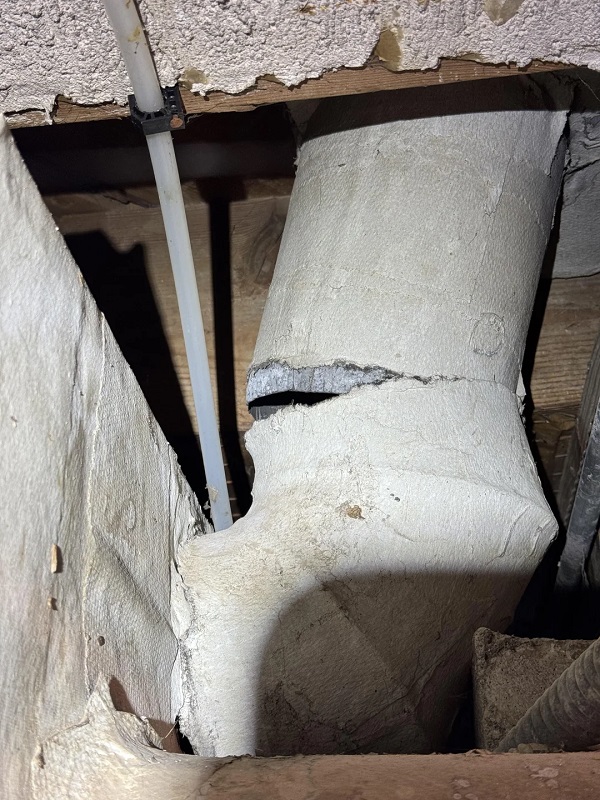
In the thread, Reddit users quickly shifted their attention from sealing the leak to the possibility that the damaged wrap itself was hazardous. One commenter replied, "That is 1000% asbestos you need to hire a professional."
Several replies focused on the danger of having damaged asbestos right next to active ductwork. "Degraded broken asbestos on HVAC line is about the worst place to have it. You need a professional. Every time you turn on the blower, it's blowing asbestos everywhere," one person warned. Another called it "friable asbestos... aka 'the bad s***'" and said that while there are methods for containing asbestos during removal, "really I wouldn't be touching it."
Some commenters also guessed the duct had been knocked loose or broken during other work, but the broader takeaway was consistent: This was not a DIY repair.
TCD Picks » Quince Spotlight
💡These best-sellers from Quince deliver affordable, sustainable luxury for all




Why does it matter?
A large gap in ductwork can waste cooled air, forcing an air conditioner to run longer and driving up electricity bills. In an old, poorly insulated home, lost air can make upstairs rooms less comfortable while sending money straight into the basement.
However, suspected asbestos changes the situation entirely. Friable asbestos can crumble easily, and damaged material near HVAC equipment is especially concerning because air movement may help spread fibers through living spaces.
Inhaling asbestos can damage your lungs beyond repair and cause complications including asbestosis, lung cancer, and mesothelioma.
What can I do?
If you notice old, brittle, paper-like wrap or tape around ductwork, do not assume it is safe to screw, tape, or push back into place. Avoid cutting, sanding, sweeping, or otherwise disturbing it until it has been assessed.
The safest next step is to contact a licensed asbestos professional or qualified abatement contractor for inspection and guidance. If the material is confirmed to be asbestos, they can contain it properly and help determine whether removal, encapsulation, or duct replacement makes the most sense.
Once the hazard is addressed, fixing the leak can still pay off. Proper duct sealing and insulation upgrades can help a home stay cooler, reduce strain on the AC, and lower monthly utility costs without risking contamination.
If budget is a concern, it may also be worth asking about utility efficiency programs, local weatherization assistance, or rebates for insulation and HVAC improvements after the asbestos issue has been handled.

Get TCD's free newsletters for easy tips, smart advice, and a chance to earn $5,000 toward home upgrades. To see more stories like this one, change your Google preferences here.






