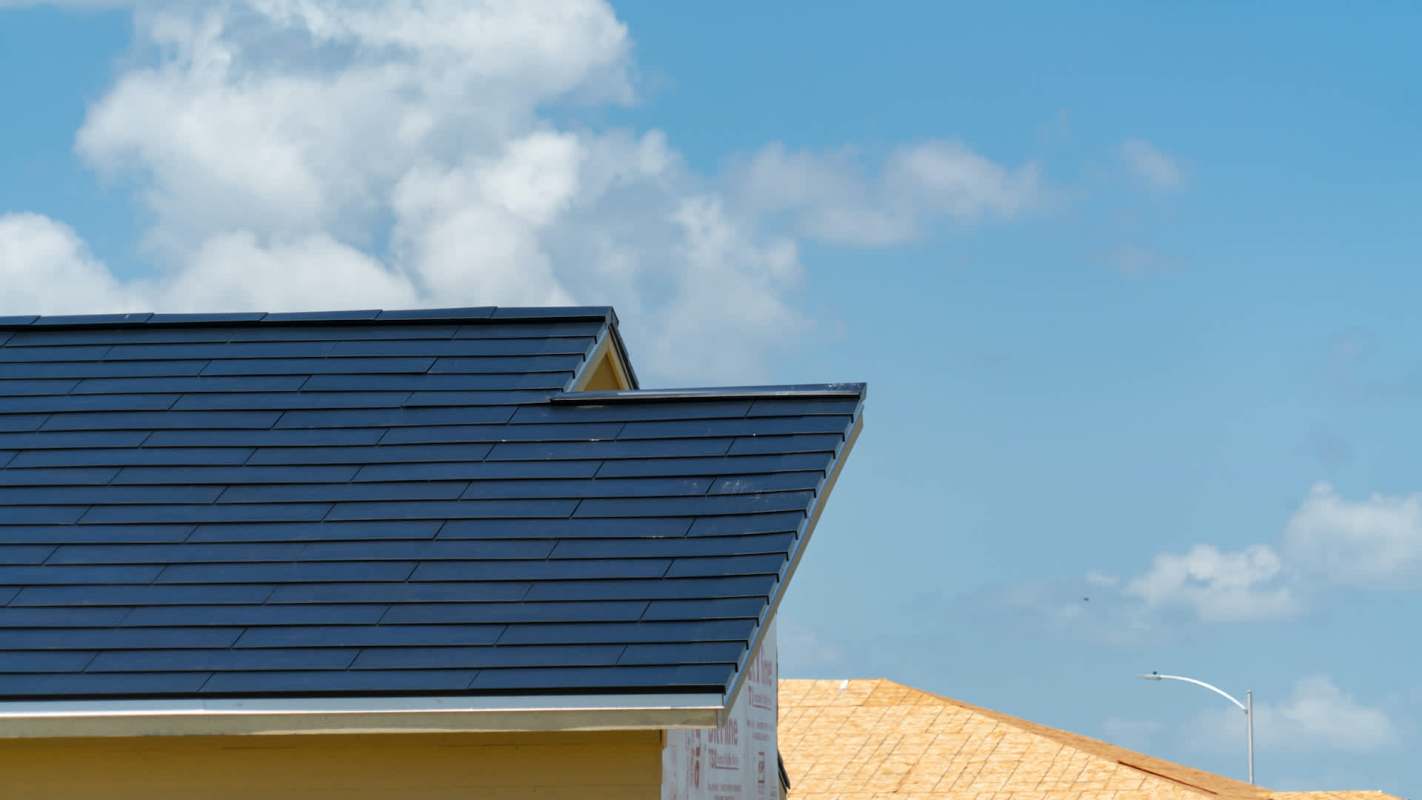
As more and more people adopt clean energy upgrades, residents will increasingly inherit solar panels and battery upgrades when purchasing a new home.
That's why one homebuyer took to Reddit to seek advice after purchasing a home with a Tesla Solar Roof and Powerwall installed a few years ago.
Here's what to know
The buyer wrote in the r/TeslaSolar subreddit, "I'm buying a home with a Tesla Solar Roof installed by Tesla about 4 years ago." With limited time to evaluate the property, the buyer wanted advice on checking for unresolved service cases, past repairs, remaining warranty coverage, production performance, and whether a dedicated solar-roof inspection made sense.
Users in the comment section suggested that the buyer should first review the system's production via the current owner's Tesla app. That should offer valuable insight into how much the system saves the owner on utility costs.
A properly functioning solar roof and battery can mean lower monthly utility bills, reduced future energy costs, and the opportunity to avoid the upfront cost of installing a similar system from scratch.
However, if there are inverter issues, failed tiles, leaks, or unresolved service problems, those savings can disappear quickly.
TCD Picks » Quince Spotlight
💡These best-sellers from Quince deliver affordable, sustainable luxury for all




More background
A Tesla Solar Roof is more complicated than a standard roof replacement because it serves as both weather protection and an energy-producing system. That means buyers are not just inheriting shingles — they are also taking on power hardware, software access, warranty paperwork, and service history.
App access can help confirm that the system is operating as expected, while service records can indicate whether the home has experienced roof leaks, tile failures, battery issues, or inverter problems.
A standard home inspector may catch visible roof concerns, but may not be equipped to determine whether solar generation is tracking normally or whether the Powerwall has experienced problems.
If the equipment is in good condition, installing rooftop solar can provide cleaner backup power, reduce reliance on the grid, and yield meaningful electricity savings.
What can be done?
Anyone buying a home with Tesla solar can start by asking the seller to open the Tesla app and show production data and battery information.
It can also help to request service documents, installation paperwork, and any warranty information explaining what transfers after a home sale. If repairs have been made, buyers should ask what was fixed and whether the issue has stayed resolved.
Reviewing past utility bills can also be helpful. If the home has solar and storage, the billing history should generally show at least some reduction in grid electricity use, depending on household habits and local rates.
And when the technology makes up a major part of the home's value, bringing in a solar-savvy inspector or roofer may be a smart extra step.

Get TCD's free newsletters for easy tips, smart advice, and a chance to earn $5,000 toward home upgrades. To see more stories like this one, change your Google preferences here.