


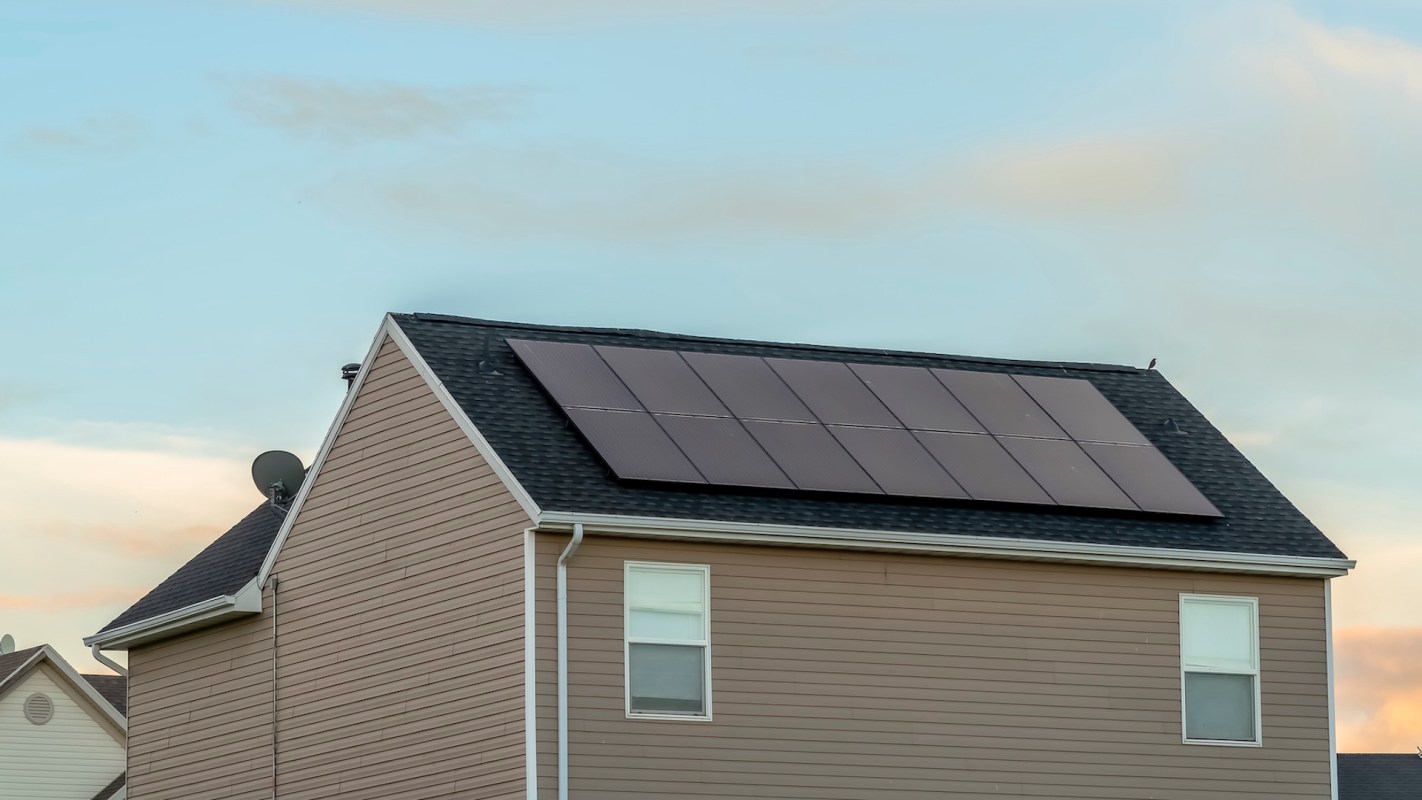
Buying a home with solar can be a worthwhile investment for long-term low-cost energy bills, but it's important to know exactly what you're buying into before signing the dotted line. A homebuyer in Florida recently learned this lesson after getting hit with a $20,000 charge after buying a foreclosed home with "paid off" solar panels.
In a post in r/legaladvice that picked up thousands of upvotes, the buyer said they bought a bank-owned foreclosure that was marketed as having "paid off solar panels," and that title insurance showed no problems.
But after closing, the buyer said that when they reached out to move the solar service into their name, they were told the system allegedly was not actually paid off.
"The solar company claims the panels are personal property and they still own them," the homeowner wrote. "They're offering me two options: take over payments or pay a lump sum."
The buyer said they do not want either option, adding that they "expected a paid-off system as advertised." They have since opened a title insurance claim, looped in the seller's realtor, and stopped communicating directly with the solar company while waiting for answers.
When upgrading to solar, it's important to work with trusted partners so you don't get stuck with a bad contract. Luckily, EnergySage's solar marketplace makes it easy to get competitive quotes from trustworthy installers in your area.
By working with EnergySage experts, homeowners can see up to $10,000 in savings on solar purchases and installations.
Rooftop solar can be a major win for homeowners, offering lower electric bills, more energy independence, and less reliance on fossil fuels. But when ownership, liens, leases, or service contracts are unclear, those benefits can quickly be overshadowed by legal and financial stress.
Get $1,000 cash to slash your bills with rooftop solar panels for $0 down and low monthly payments Whatever your solar budget, Palmetto can help you save. If you want to buy your own panels, Palmetto's advisors can help you save up to $10,000 on installation through a network of preferred installers. And if you'd rather get solar savings without upfront costs, Palmetto's revolutionary LightReach subscription program can deliver — including an exclusive $1,000 cashback offer for TCD readers. LightReach lets you lease solar panels with no money down, making it painless to lock in long-term savings of up to 33% off your current power bill. Palmetto covers a 25-year warranty for the panels, which means you'll get reliable performance without unforeseen costs. To get started, just book a short meeting with Palmetto's experts to explore your options and find the solution that's right for you. |

That kind of uncertainty does not just affect one buyer. It can also leave entire communities more skeptical of clean energy projects that should be helping people save money and cut pollution.
The situation is also a reminder for anyone shopping for a home with panels already installed: Ask whether the system is owned, leased, or financed; request payoff documents; confirm transfer requirements with the installer; and make sure the sales contract — not just the listing — clearly states what is included.
Commenters were split on the legal details but united in their frustration.
"Generally, solar panels are fixtures and part of the house," one highly upvoted reply said, arguing that the debt should stay with the prior owner, not the buyer.
"[The] previous owner signed an agreement with the solar company. It has nothing to do with you. Debt doesn't come with an address," another added, though this would actually depend on the real estate contract itself. If the contract did not say anything about transferring this debt, the buyer is likely to be in the clear, legally, in a similar way to if the seller had taken out a loan to pay for a new roof or deck but had not yet paid it off.
To that point, others in the comments stressed the importance of getting legal counsel to clear up the situation.
Although this homeowner ran into a frustrating situation with solar, it shouldn't dissuade you from a clean energy upgrade.
More often than not, solar panels can offer massive savings on monthly energy costs. The experts at EnergySage even estimate that some homeowners can see over six-figures in bill savings over the lifetime of their solar system, with a system typically paying for itself in 5-7 years.
If you're not ready to spend upfront on a solar system, another company, Palmetto, offers a $0-down LightReach solar leasing program that can lower your utility rate by up to 20%. These programs involve a buyout option should you need to sell the home, or if you keep it as a lease, Palmetto continues to own the panels and is responsible for all maintenance — even including clearing off snow, as the company itself earns money from the panels.
To save even more on monthly bills, consider pairing solar panels with energy-efficient electric appliances like heat pumps. EnergySage offers a free tool to help homeowners find the best home heating and cooling options from trusted installers.

Get TCD's free newsletters for easy tips, smart advice, and a chance to earn $5,000 toward home upgrades. To see more stories like this one, change your Google preferences here.






