


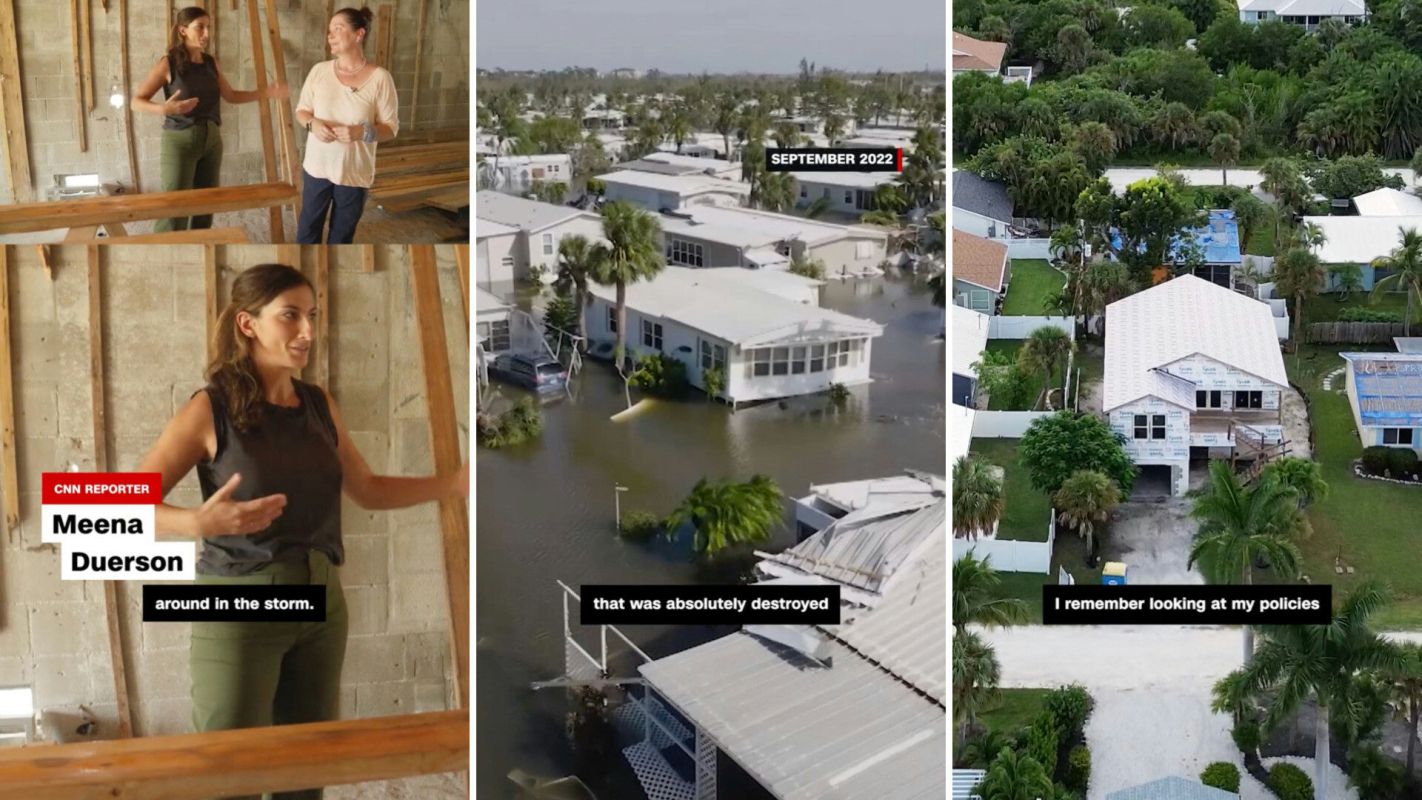
One homeowner thought she understood the fine print on her insurance policy. But after filing a claim, she's been paid out less than 3% of her policy's value.
What's happening?
Amy Hawk's home was destroyed in 2022 by Hurricane Ian, which left countless Florida homeowners in similar situations as they were forced to decide whether to leave or undergo costly rebuilding.
And many of them, including Amy, were left with substantially fewer funds to rebuild than they had been led to believe they would receive from their insurance policies, CNN reported.
"Insurers are just not giving them the coverage they're supposed to get based on the policies they've been paying for," said CNN's Meena Duerson.
Speaking with Amy, the homeowner shared that she had been "in shock" when she saw her insurance payout.
"I ended up with around $8,000," she said. "I had a $300,000 policy."
Commenters were infuriated by Amy's situation, with several people calling insurance a "scam."
Why is the home insurance situation so concerning?
The traditional home insurance model functions best for insurers when minimal claims are made in any given year. But in a warming world with stronger, more frequent storms, this is not our reality — and it may deter insurers from offering coverage at all in certain areas.
One commenter understood the predicament from the insurers' point of view.
🗣️ Do you think your house could withstand a hurricane?
🔘 No way 😨
🔘 Maybe a weak one 🙁
🔘 I'm not sure 🤷
🔘 It definitely could 👍
🗳️ Click your choice to see results and speak your mind
"Any sane insurance company would pull out of a place guaranteed to cost you money," they wrote. "Florida just has too many hurricanes to fiscally keep up with rebuilding so many homes every couple of years."
TCD Picks » Quince Spotlight
💡These best-sellers from Quince deliver affordable, sustainable luxury for all




But this isn't a problem unique to Florida. "Insurance companies are dropping fire coverage in Colorado left & right," another homeowner shared. "We are paying into a promise that will leave us all high and dry."
With home insurance a requirement for securing most mortgages, this may mean that many homeowners have to move cities — or out of state entirely — if they can no longer afford coverage.
"This is only going to get worse," Duerson stated.
What's being done to protect homeowners?
Until human-driven pollution begins to fall significantly, atmospheric temperatures are going to keep rising — and with them, the weather will grow more and more severe.
In the meantime, several states are scrambling to beef up their state-sponsored "plans of last resort" for otherwise uninsured homeowners.
Some are choosing to rebuild without insurance, hoping that using innovative materials can help their homes weather the storms. Many communities are also looking for ways to mitigate disaster risk, such as creating defensible space as fire buffer zones or replenishing eroded coastlines to minimize storm surge flooding.

Join our free newsletter for easy tips to save more and waste less, and don't miss this cool list of easy ways to help yourself while helping the planet.
Cool Picks






