After a stretch of wind and rain, a home gardener went out expecting damage to their backyard vegetable beds.
What she found instead were leafy greens still looking strong under protective covers, an encouraging sign that simple preparation can help in rough weather.
What happened?
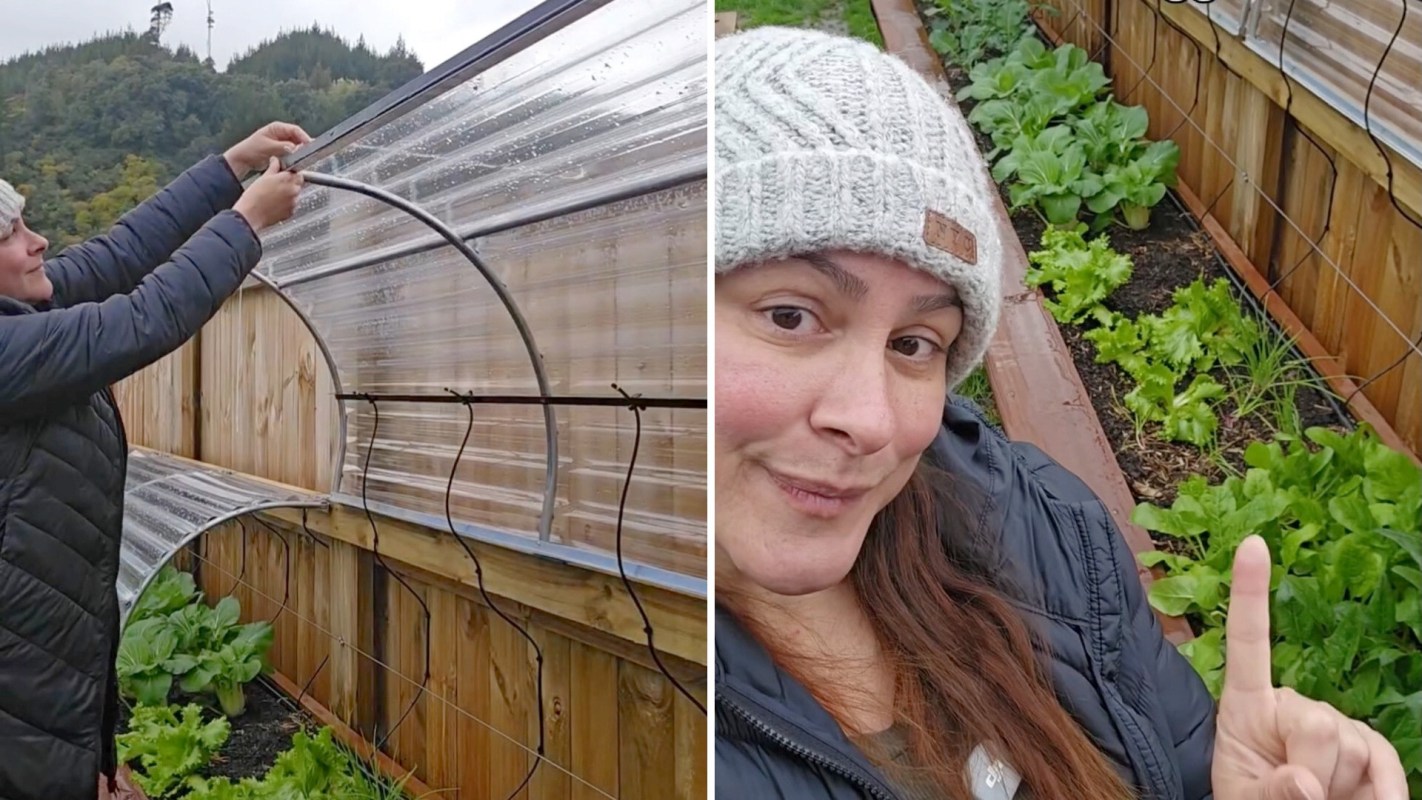
In an Instagram Reel, Growing with Mirella (@mirellagrows) gave viewers a look at the garden after the storm, showing raised beds that appeared to have held up well thanks to protective coverings.
"I was a little worried after two days of wind and rain. So, let's check on the garden together," the creator wrote on Instagram.
Throughout the clip, the camera moves over covered beds and leafy vegetables that still seem full and in good shape.
"These covers have been doing a great job protecting my veggies from the wind and heavy rain," the creator added.
TCD Picks » Quince Spotlight
💡These best-sellers from Quince deliver affordable, sustainable luxury for all




The creator described the plants as "healthy, thriving, and growing beautifully," and the vegetables did not appear flattened or visibly damaged by water.
Why does it matter?
Storm protection can help preserve a source of fresh food, which is especially important as grocery costs remain a concern for many households.
Growing vegetables at home can save money on produce over time, particularly for crops such as leafy greens, herbs, and other staples.
It can also mean fresher, better-tasting food, since produce picked straight from the garden does not have to travel long distances before reaching the plate.
There are health benefits, too. Gardening gets people outside, encourages regular movement, and can support mental well-being by offering a calming routine and a sense of progress.
Weather swings can be tough on backyard gardens, but basic tools such as covers, hoops, and other protective setups can make home food growing easier to manage.
What can I do?
If you're interested in growing your own food, starting small can make the process feel less overwhelming.
A few containers, a raised bed, or a patch of greens can be enough to start building confidence while also cutting back on store-bought produce.
If your area gets heavy rain or strong winds, lightweight covers secured over hoops can help protect tender crops.
These setups may offer another benefit: they can help reduce pest pressure without relying on harsh products. In fact, there are plenty of ways to control pests without chemicals.
Other practical steps include checking drainage before storms, staking vulnerable plants, and removing damaged leaves afterward to allow healthy growth to continue.

Get TCD's free newsletters for easy tips, smart advice, and a chance to earn $5,000 toward home upgrades. To see more stories like this one, change your Google preferences here.