


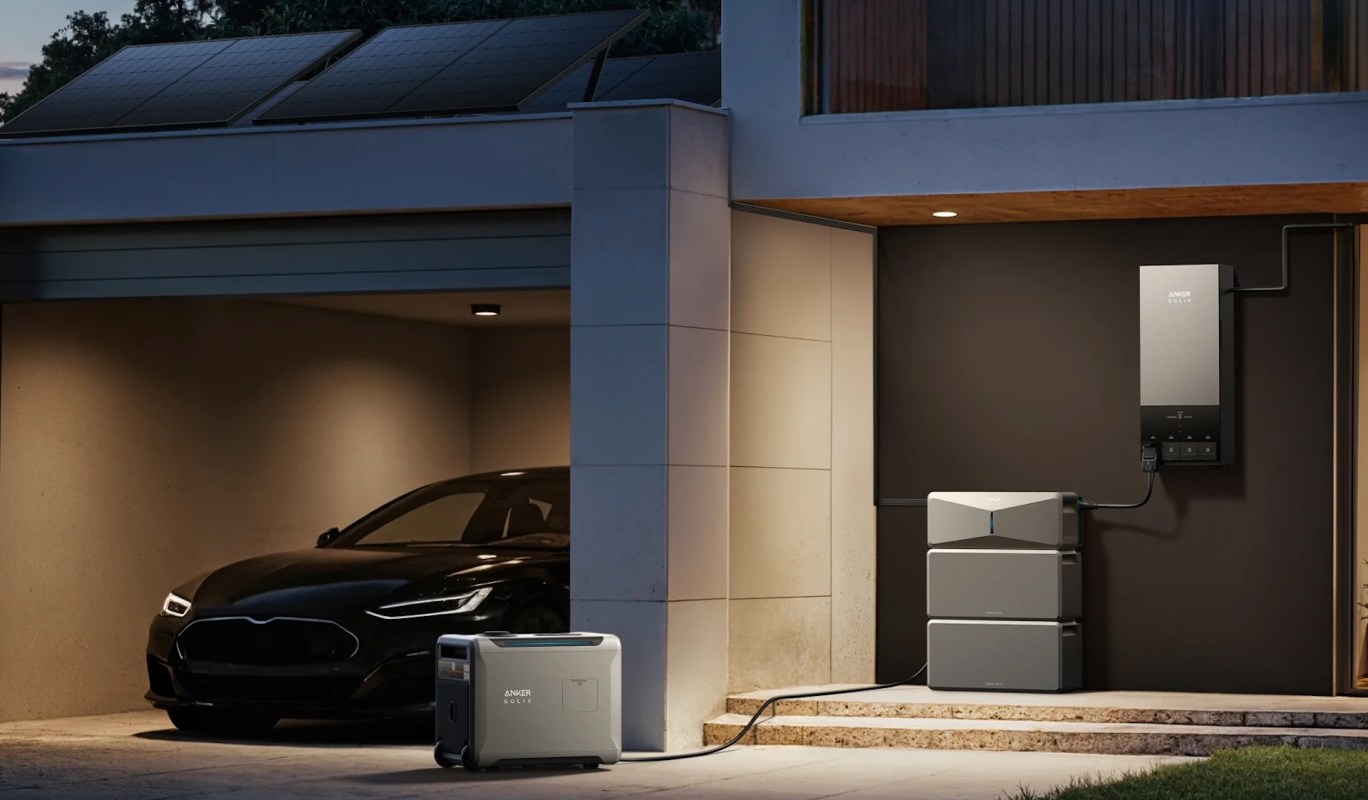
In Northern California, wildfire season can mean sudden Pacific Gas and Electric power shutoffs. One homeowner found that a modular home battery system eliminated most of that worry.
Four months in, the setup has kept essential appliances running during outages and even trimmed the electric bill under the right conditions.
What happened?
A Northern California resident wrote through ZDNET that Anker's Solix E10 whole-home backup made outage readiness far less intimidating. The tested setup paired two battery units for 12.3 kilowatt-hours of storage, enough to keep the refrigerator, furnace blower, kitchen outlets, and household lights running.
The full installation ran roughly four weeks, with the solar tie-in following in a separate visit, ZDNET reported. A wiring issue with the system's current sensors surfaced during setup but was fixed quickly.
Once running, the system was designed to switch a home onto battery power within milliseconds during an outage, though one test recorded a 20-second gap while solar was actively exporting power. Anker told ZDNET a firmware update would resolve that delay.
If you're considering a similar setup, you can explore EnergySage's free tools to compare home battery storage options and get competitive installation estimates. EnergySage has also partnered with the electrification brand Qmerit to guarantee shoppers get the best price on home battery storage.
Why does it matter?
Adding battery storage can be one of the most effective ways to keep a home running during an outage, cut monthly energy costs, and gain some independence from the grid. Similar setups have helped homes across the West stay powered through their own Public Safety Power Shutoffs, where utilities cut electricity to reduce wildfire risk during dangerous weather.
The homeowner's savings shifted once solar came online, ZDNET reported. Charging batteries overnight, when electricity costs about half as much as it did during the evening peak, cut one monthly bill by 57%. After the solar tie-in, the household ended June with a $51 credit by exporting power during the priciest evening hours.
Save $10,000 on solar panels without even sharing your phone number Want to go solar but not sure who to trust? EnergySage has your back with free and transparent quotes from fully vetted providers in your area. To get started, just answer a few questions about your home — no phone number required. Within a day or two, EnergySage will email you the best options for your needs, and their expert advisers can help you compare quotes and pick a winner. Solar panels can save you more than $50k over their 25-year lifespan, and EnergySage can help you save as much as $10k on installation. Which begs the question — isn't that worth an email or two? |

Savings vary widely by utility and billing structure. Brian Atchley, co-owner of Amy's Roofing and Solar, told ZDNET that the newer California compensation plan, which pays far less for power sent back to the grid, makes it more valuable to store solar power at home instead: "The savings are massive."
He was less optimistic about the older plan, saying, "You're not going to save much or anything."
What can I do?
A home battery can guard against outages and high utility bills at the same time, especially when paired with rooftop solar or a compatible generator. The right size depends on whether a homeowner wants to cover just the essentials or the whole house.
Priority circuits typically include refrigeration, an internet router, lighting, medical equipment, and heating or cooling systems. Homeowners can compare battery capacity, hardware costs, and installer quotes. ZDNET's reviewer noted that while hardware pricing was easy to pin down, professional installation costs varied.
Shoppers who don't need a whole-home system still have options. Pila offers a lower-cost, plug-and-play entry point for backing up individual appliances without a permanent installation.
As ZDNET's reviewer put it, the real payoff of a whole-home system is taking "a category that can intimidate homeowners and making it something a first-timer can understand, monitor, and trust."

Get TCD's free newsletters for easy tips, smart advice, and a chance to earn $5,000 toward home upgrades. To see more stories like this one, change your Google preferences here.






