


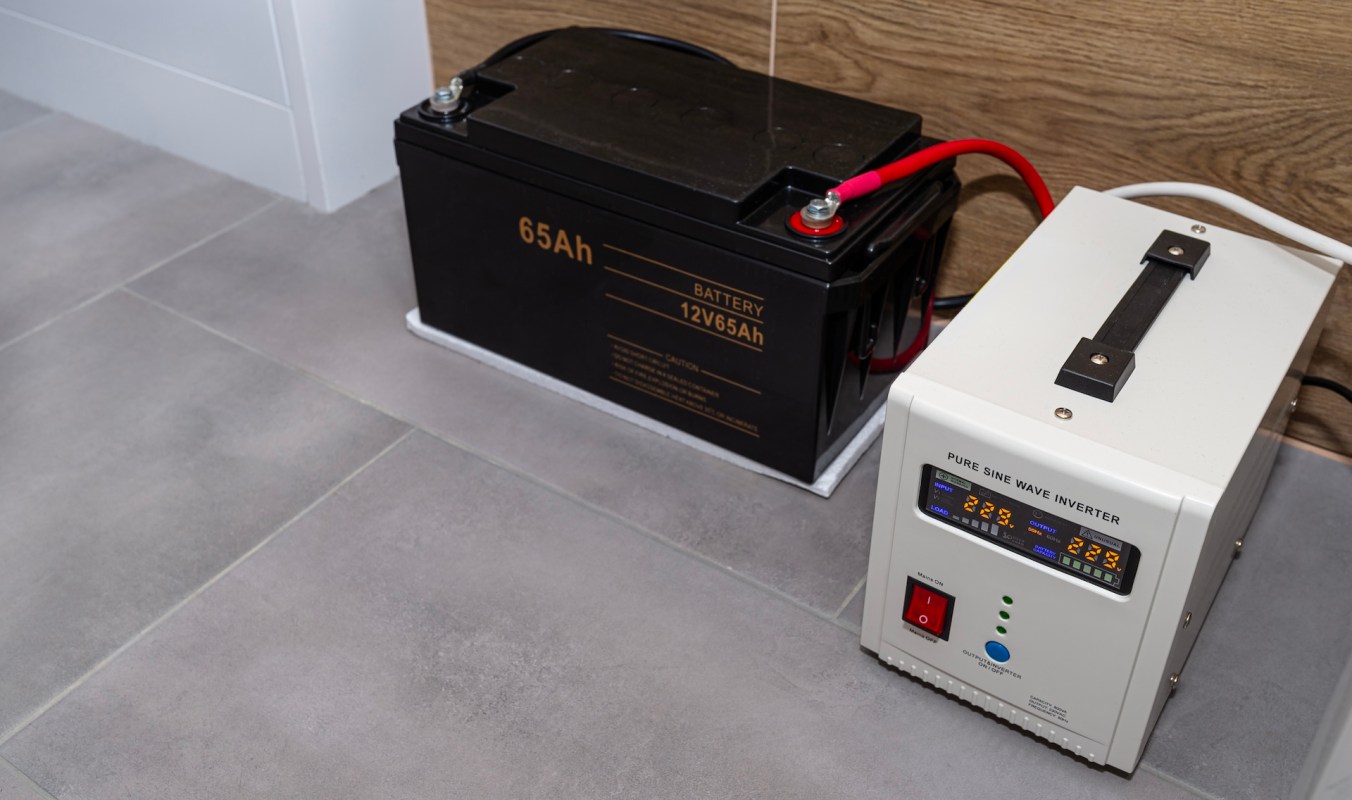
A Los Angeles homeowner described recurring brownouts that happened when temperatures rose above 90 degrees. The voltage dips were bad enough to knock portable air conditioners offline.
Hoping to find a solution that would let them at least "run one or two AC units," the homeowner went to Reddit for answers.
Here's what to know
In their post on r/SolarDIY, the homeowner showed how severe the issue had become, saying that panel readings showed that "it is not rare for it to go down to 95VAC on each phase."
Solar and a battery system were their first thought: "I was thinking of putting in solar and a house battery system." However, they worried that, because they are still connected to the grid, voltage drops across the connected homes would be too large for their solar to matter.
They also wanted to know if a home battery charged from utility power could take over during a brownout and keep appliances at 120 volts.
One commenter in the Palisades offered an example. They said an EG4 6000XP paired with a 14-kilowatt-hour battery had a "total equipment cost" of about $4,100 and that it "completely solves the brown out problem. battery will last about 2 days, so it rides thru the afternoon brown outs no problem."
For homeowners comparing options, exploring EnergySage can be a practical place to learn about home battery storage systems and get competitive installation estimates. EnergySage has teamed up with electrification brand Qmerit to help homeowners get the best price on home battery storage solutions. Adding battery storage is one of the best ways to protect your home during outages, save money on energy, and gain more energy independence.
More background
Commenters also addressed why a simple balcony-solar approach might fall short. In their reply, they explained that balcony-solar uses grid-following inverters built to synchronize with utility power rather than boost it, so low incoming voltage can still prevent them from solving the brownout problem.
Crushed by your bills? See instant solar savings from vetted installers in just a few clicks With energy prices through the roof, there's never been a better time to go solar — and EasyHome can help you find the best prices from the best installers in your area. EasyHome takes the guesswork and headaches out of energy upgrades by showing you estimated savings from a network of vetted local partners. To get started, just enter your ZIP and share a few details about your home — seeing your estimate is really that easy. |

According to the poster, they had already been logging the voltage drops during heat waves, and utility workers had told them, "This is what happens during peak demand."
Another commenter warned that 95VAC on one leg could indicate trouble with either the home's service equipment or LADWP's transformer and advised contacting the utility.
Brownouts can disrupt and damage sensitive electronics. Lights may stay on, but cooling equipment and electronics can still shut down or behave unpredictably. For someone relying on portable air conditioning during a Los Angeles heat wave, stable voltage can determine whether that cooling stays on.
What can be done?
Replies in the thread drew a line between standard grid-connected solar gear and equipment that can supply power on its own. The most relevant systems discussed were hybrid inverters and battery setups that can disconnect from the grid and maintain a steady household voltage during a dip.
As one commenter explained: "in UPS mode my inverters can clean the AC power factor."
The comments suggested solar generation isn't always mandatory. A battery that charges from the grid could still bridge brownouts if the system can operate independently when utility voltage sags.
For people not ready to commit to a fully installed system, Pila offers strong battery backup options. Pila's plug-and-play batteries cost a fraction of a whole-home backup system. The Reddit thread also mentioned expandable power stations as a lower-cost starting point that could still be useful later in a full solar-and-battery setup.
As the original poster put it, "When that happens my portable air conditioning units start dropping out (right when I need them most!)."
Where can I learn more?
Here are a few more stories about how batteries and solar help homes stay powered when the grid falls short. They show homeowners and companies using backup systems to get through outages, voltage problems, and peak demand.
• In California, a homeowner said solar kept his lights on after a neighborhood blackout.
• Generac is pushing whole-home backup options as outages and power bills intensify.
• Across the US, backup power is increasingly critical for homes facing worsening blackouts.
• Pila says its seamless home batteries can keep essential appliances running through outages.
• Homeowners are choosing alternatives to Tesla batteries as backup options rapidly expand.

Get TCD's free newsletters for easy tips, smart advice, and a chance to earn $5,000 toward home upgrades. To see more stories like this one, change your Google preferences here.






