


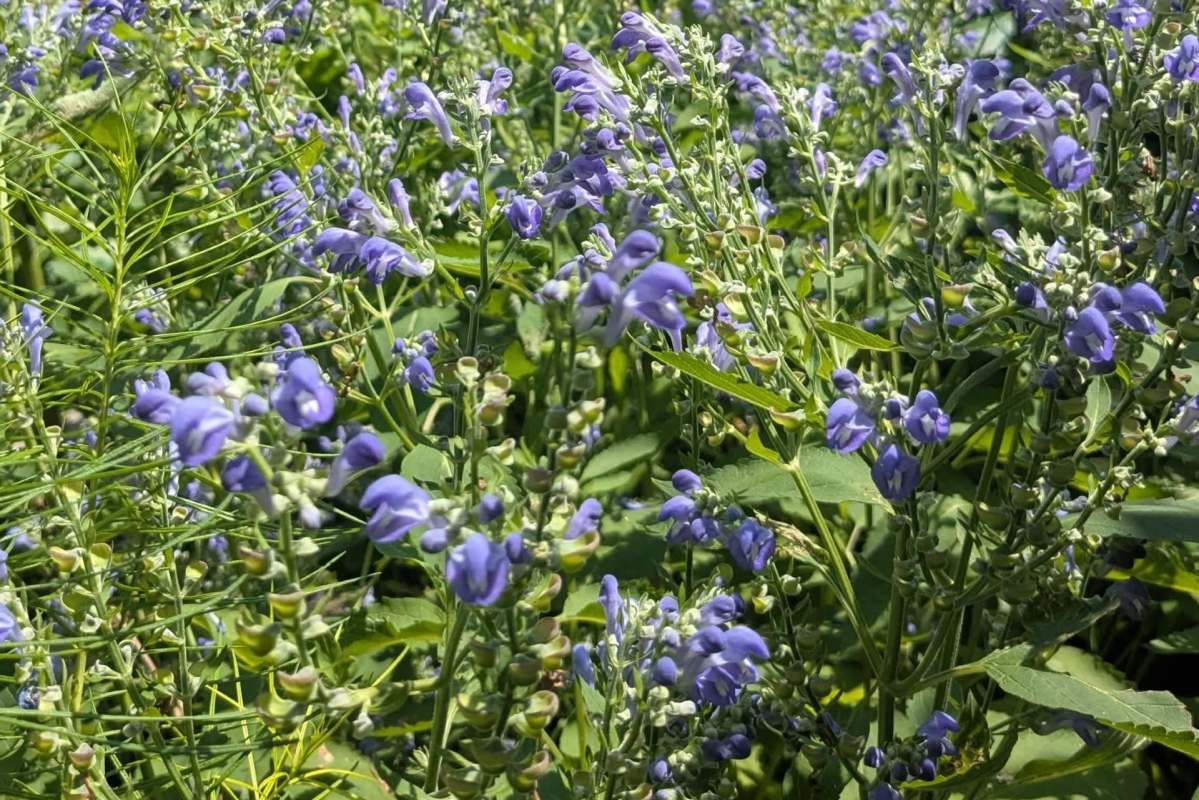
With hot weather making grass lawns costlier and more labor-intensive to maintain, gardeners online are revisiting a native plant that does not usually get much attention.
In a native plant gardening forum on Reddit, the focus was on hoary skullcap, which commenters said handles rough summer conditions well but is often shockingly hard to find at many nurseries.
What's happening?
One home gardener kicked off the discussion by asking the other native plant enthusiasts, "Why don't people grow hoary skullcap?"
The original poster noted the plant "reseeds nicely but not aggressively, it doesn't flop wildly all over the place, it's an unusual beautiful blue color."
In response to a commenter, they added that it is also tolerant of drought conditions.
"Even the 20 or so seedlings in my yard are all 'what heat wave?'" the OP said.
TCD Picks » Quince Spotlight
💡These best-sellers from Quince deliver affordable, sustainable luxury for all




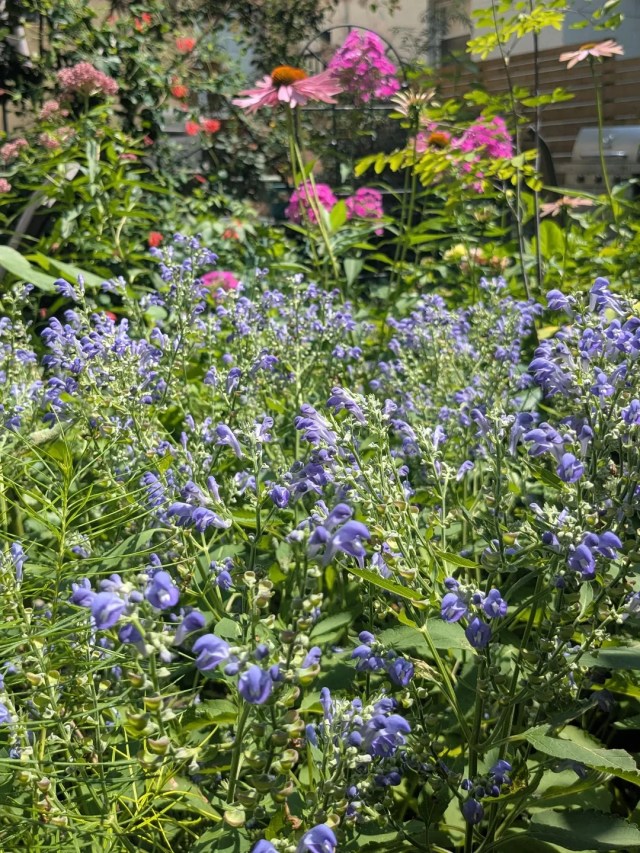
Many of the responses centered on the plant's ability to get through intense summer weather without much trouble.
Some users added that, for all its strengths, the plant's name may not be helping its popularity.
One commenter joked, "Probably for the same reason why people don't grow the other 'hoary x' plants. Seriously, so many natives just have very off-putting names."
The thread also included growing advice for anyone who wants to try it, including notes on cold stratification for seeds.
Why does it matter?
Many people want lower-maintenance yards, but the plants best suited to local conditions are not always easy to buy.
That can leave people stuck with thirsty, labor-intensive gardens that require frequent mowing, watering, and upkeep.
Replacing even part of a conventional lawn with native plants can save money and time on maintenance, reduce the need for fertilizers and constant trimming, and lower water bills.
Native-heavy yards can also be more resilient during hot, dry stretches, making them especially appealing as heat waves become more common.
Other low-maintenance lawn alternatives can offer similar benefits, including clover, buffalo grass, and xeriscaping. Even a partial lawn replacement, such as swapping out a difficult side yard or a dry patch near the curb, can make a noticeable difference in household costs and yard work.
Native plants can also support pollinators and other local wildlife better than a typical turf lawn, giving homeowners a way to create a more useful landscape without adding more chores.

Get TCD's free newsletters for easy tips, smart advice, and a chance to earn $5,000 toward home upgrades. To see more stories like this one, change your Google preferences here.






