


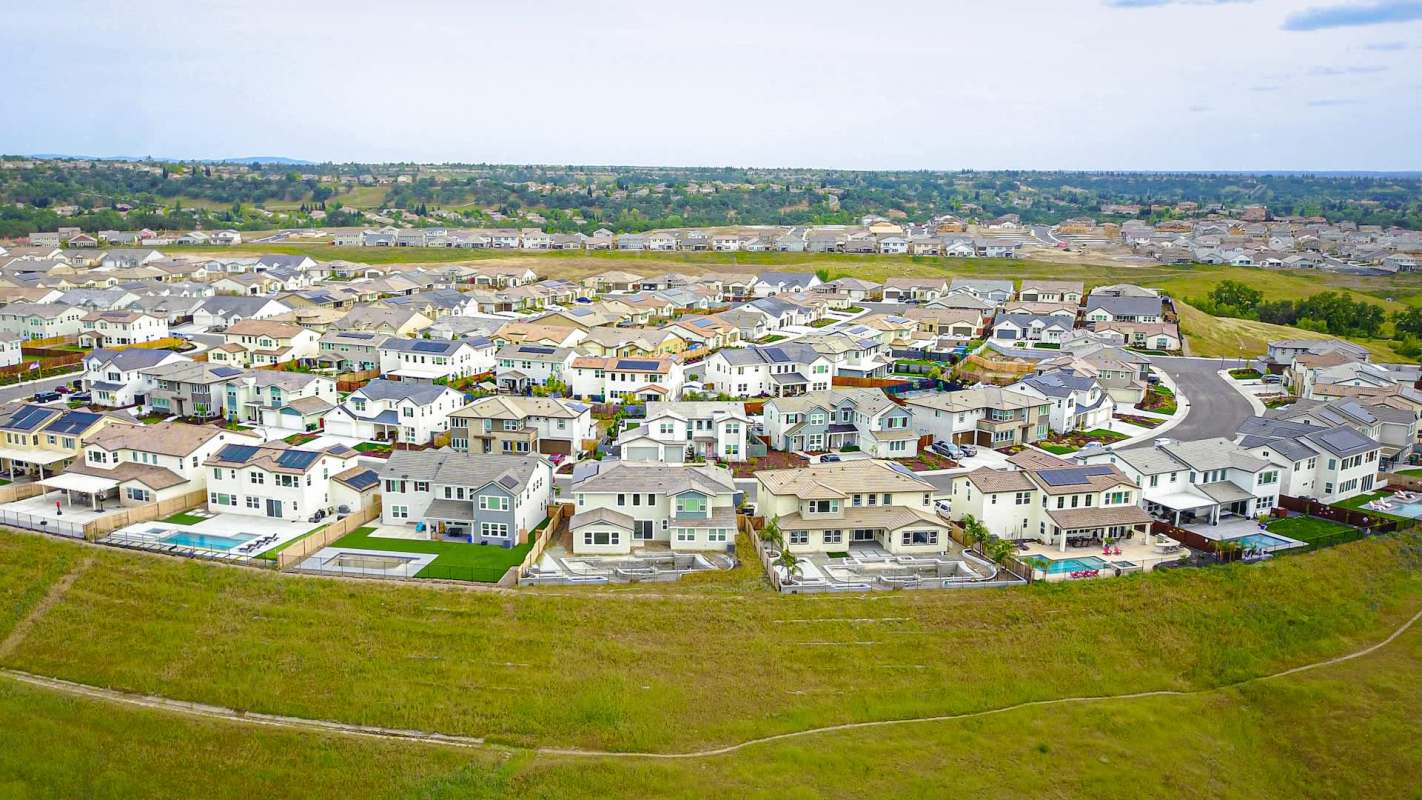
A bipartisan push to restrict HOA control in one state unlocks a lot of what homeowners want. It includes more freedom to install solar panels and native lawns, more room for extended family, and fewer hurdles for people trying to open in-home day cares.
What's happening?
As WSOC-TV reports, that is what North Carolina lawmakers are pushing with a trio of bipartisan bills that would limit the power of homeowners associations and give residents more say in how they use their properties.
If the three measures pass, the network notes they could make it easier for homeowners to save money, support their families, and add practical upgrades without running into HOA resistance.
One proposal would stop HOAs from banning gardens, solar panels, and accessory dwelling units, often called "granny flats" or mother-in-law units, WSOC-TV noted. Rep. Ya Liu of Wake County, one of the bill's primary sponsors, tied the measure to affordability.
"[This involves] the affordable housing crisis that we are facing and this could be part of the solution," Liu told the station.
A second bill would keep HOAs from blocking in-home day cares, as WSOC-TV reported. Sen. Jay Chaudhuri, also of Wake County and a primary sponsor, explained the rationale.
TCD Picks » Quince Spotlight
💡These best-sellers from Quince deliver affordable, sustainable luxury for all




"We want to make sure that we reduce as many barriers, we deregulate as many laws... they are getting in the way of families, friends, and neighbors who want to establish childcare homes," Chaudhuri declared to the network.
WSOC-TV reported that the third measure would require the North Carolina Department of Justice to log HOA complaints and provide the General Assembly with an annual report on how many were submitted and why.
Why does it matter?
HOA rules do not just shape how a neighborhood looks. They can also directly affect monthly budgets and day-to-day choices.
Across the country, HOAs have been known to block residents from making practical, money-saving changes, such as adding solar panels or replacing water-thirsty grass with native plant lawns.
That can mean higher utility and water bills, fewer housing options, and more frustration for people trying to make the most of their homes. Limits on granny flats can also reduce opportunities for multigenerational living or rental income, while daycare restrictions can make it harder for families to find nearby child care.
North Carolina's effort targets several common pressure points at once, including clean energy, flexible housing, small-business opportunities, and oversight. That will be critical, as sometimes engaging with HOAs can be a struggle.
If solar access expands, more residents could have a chance to lower their energy bills. It also means they cut down on their household pollution, and potentially use batteries for more energy resilience.
If you're looking to go solar, EnergySage can help with free tools that help you save up to $10,000 on installations by curating competitive bids from installers in your area. If spending upfront isn't in your budget, Palmetto's $0-down LightReach solar leasing program can cut your utility rate by up to 20%.
What's being done?
The legislation still has to make its way through the lawmaking process, as WSOC-TV noted. But with bipartisan backing, the bills suggest that frustration over HOA overreach is becoming harder for state leaders to dismiss.
"Homeowners are not really happy how they are over-regulated by the HOAs, so we want to do something about it," Liu told WSOC-TV.

Get TCD's free newsletters for easy tips, smart advice, and a chance to earn $5,000 toward home upgrades. To see more stories like this one, change your Google preferences here.






