


Many would be thrilled to discover berries growing on their property, but not all species are the same. One homeowner undertook the painstaking task of removing an invasive species of blackberries that had begun to "choke" part of their forest.
In the subreddit r/landscaping, the homeowner shared before-and-after photos of their work. The left image reveals that they had managed to almost completely eliminate the growth.
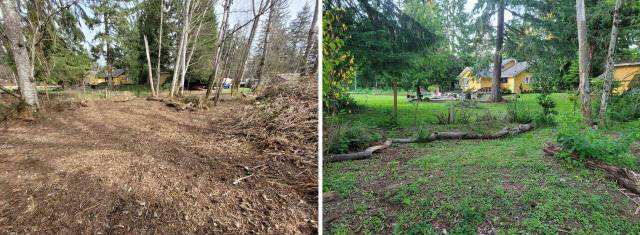
"My parents let them grow out of control for 15 years, so when I moved back in I had over an acre of pure blackberry forest to chop through," the Redditor shared in a comment, explaining that it had taken them nearly two years to get to this point.
"I've been doing it all with loppers and a rake," they added, indicating that they hadn't contaminated the area with toxic chemical treatments.
"That's awesome," one commenter wrote. "Himalayan Blackberries will almost always come back after removal unless you continue to monitor the area and remove new sprouts. … They can be really tough to permanently remove."
According to the Washington State Noxious Weed Control Board, Himalayan blackberries are an aggressive species that can cause "severe" problems for native plants, wildlife, and livestock, growing thorny, dense thickets that impede movement and suffocate other vegetation.
This can create a ripple effect through other parts of the ecosystem, including by negatively impacting pollinators. The U.S. Department of Agriculture notes that around 35% of the world's food crops depend on these types of creatures to reproduce.
In contrast, native plants and fruits support the health of local ecosystems, and they don't require extensive mowing, fertilizers, pesticides, or watering. On average, a rewilded yard can save homeowners nearly $400 annually.
Clover, xeriscaping, and buffalo grass are other low-maintenance options that offer eco-friendly, money-saving benefits even if implemented in a small section of a yard.
In this case, the original poster did acknowledge that losing the berries as a food source was unfortunate. However, they said they would soon be growing a thornless variety in containers. Washington, where the OP is located, has several beneficial native species of blackberries.
TCD Picks » Quince Spotlight
💡These best-sellers from Quince deliver affordable, sustainable luxury for all




Overall, other Redditors agreed that the OP would ultimately be glad they put in the effort.
"Looking great so far," one commenter wrote. "My dad's house was on a couple of acres and I would usually have to clear out various areas every year to make sure they didn't take over most of the property. So many pokes and scrapes over the years."
"There is nothing more satisfying than taking a big thorny blackberry cane, feeding it into the shredder, and turning it into harmless mulch. It's like slaying a monster," another said.

Join our free newsletter for easy tips to save more, waste less, and help yourself while helping the planet.
Cool Picks






