


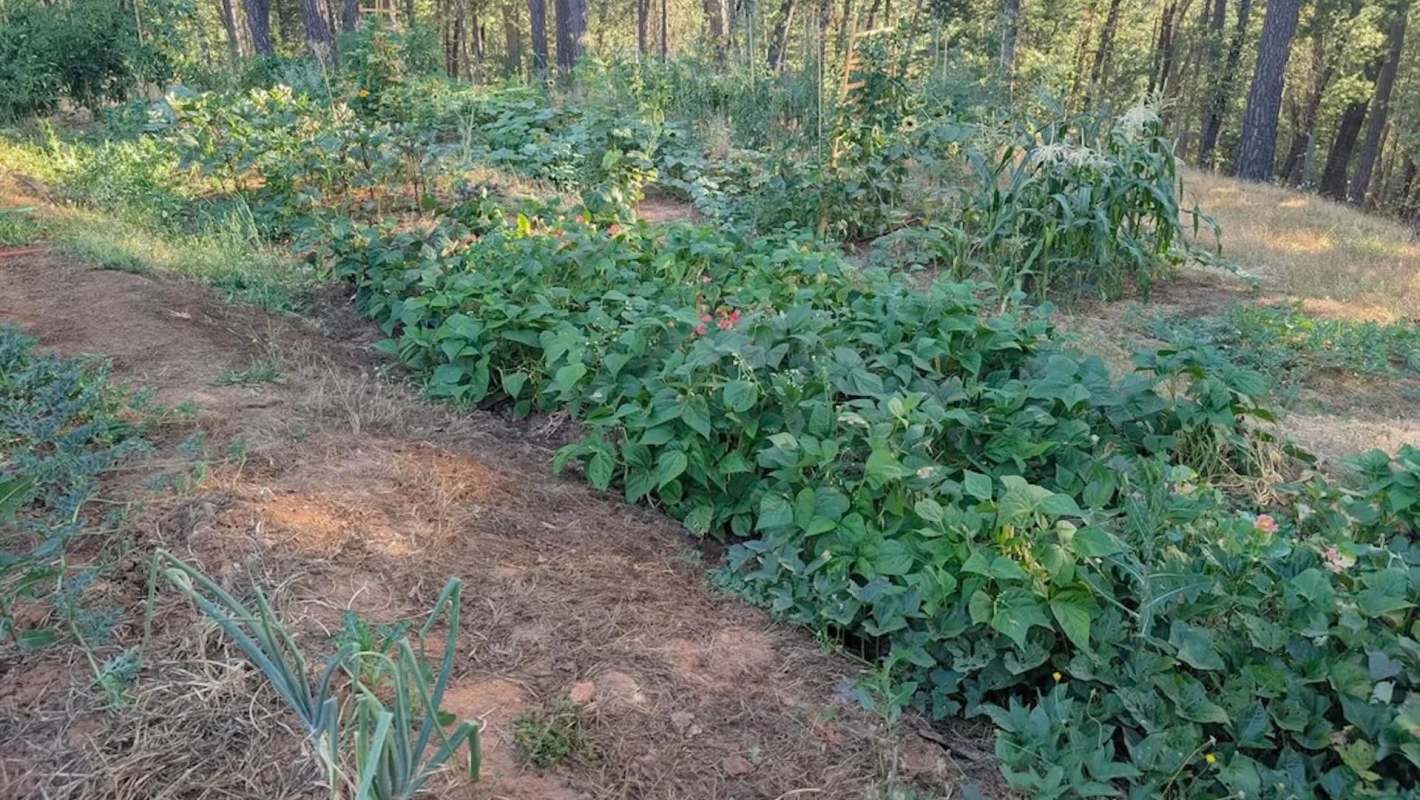
A steep, forested hillside may seem like a difficult place to grow food, but one gardener is showing just how productive a sloped backyard could actually be. In a post that drew admiration from fellow growers, the sprawling setup appears to be producing enough fresh vegetables to rival a small farm.
What's happening?
"Our bellies will be full," the gardener wrote on Reddit while sharing photos of a lush, tiered garden with many different types of produce growing on a hillside that they said is "currently cranking out 20+ pounds of produce per day."
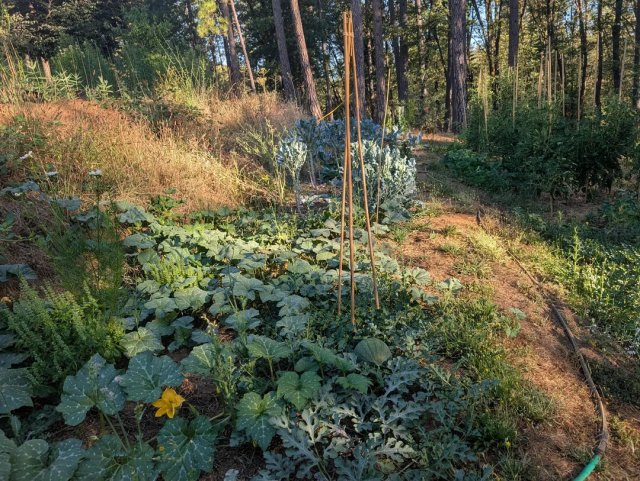
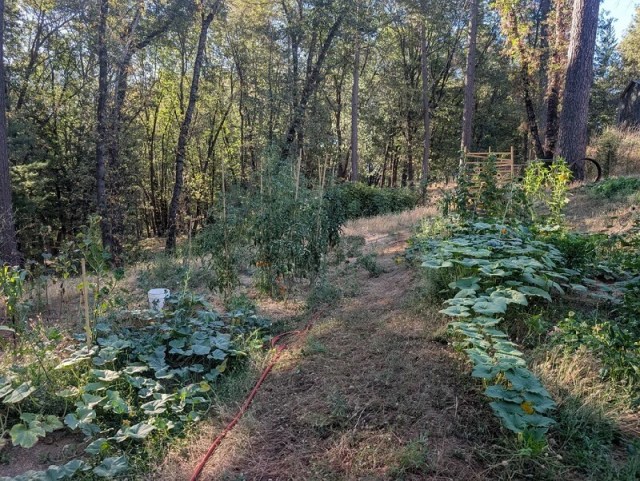
In later comments, the poster said the heat has them watering "to some degree, daily" and described a tasty mix of crops including beans, sweet potatoes, corn, peppers, tomatoes, and more.
Among the reactions, many people were especially excited that the garden is flourishing on a slope.
As one commenter put it, "What's even more impressive is that you have a wonderful garden that is on a slope. It looks really healthy. Good work!"
Some readers also wondered why the plot did not seem to be getting hammered by wildlife. The gardener cleared that up by writing, "Oh no. There is certainly a perimeter fence. The deer would eat everything if not."
TCD Picks » Quince Spotlight
💡These best-sellers from Quince deliver affordable, sustainable luxury for all




Why does it matter?
A garden producing more than 20 pounds of food a day is a striking example of how growing your own food can help cut grocery costs, especially as prices for fresh produce remain unpredictable. Even a much smaller garden can help households save money over time.
Homegrown vegetables are often picked at peak ripeness, which can mean better flavor and texture than produce that traveled long distances before reaching store shelves.
Gardening can provide regular physical activity through digging, hauling, watering, and weeding, while also supporting mental well-being through time spent outdoors and the satisfaction of watching plants grow. A productive garden can also make it easier to eat more fresh fruits and vegetables.
What can I do?
The easiest first step is to start small. A few containers, a raised bed, or a simple plot with reliable crops can build confidence before expanding. The Cool Down's guide to growing your own food offers practical ways to get started. One especially hardy plant is potatoes—a gardening expert shared a quick method for growing an abundant supply by letting them sprout.
Looking ahead, the gardener said, "My only regret this year .... Not getting irrigation set up through the beds." On sloped properties especially, drip lines or soaker hoses can reduce labor, limit waste, and keep plants more consistently watered.
In this case, a perimeter fence kept deer from wiping out the harvest. And when it comes to pests, some gardeners prefer lower-chemical approaches, such as hand removal, targeted sprays like soap-and-water mixes, or encouraging healthy garden ecosystems.
"Our bellies will be full," the gardener wrote.
One admirer put it even more bluntly: "It's gigantic and gorgeous and I LOVE IT."

Get TCD's free newsletters for easy tips, smart advice, and a chance to earn $5,000 toward home upgrades. To see more stories like this one, change your Google preferences here.






