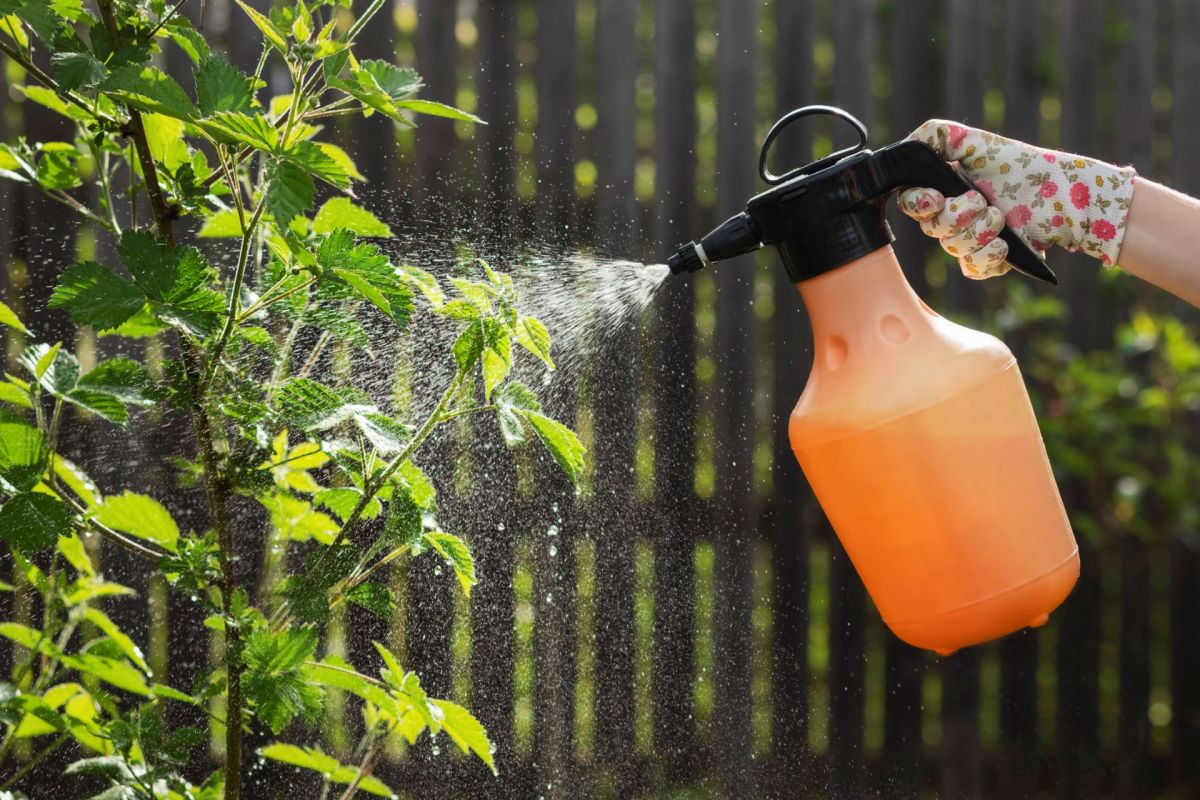
For many backyard gardeners, herbicide drift may look like little more than a few curled leaves. However, Three Rivers Homestead creator Jessica is warning that dismissing every case as harmless could leave families and growers unprepared for more serious consequences.
What's happening?
In a recent YouTube video from Three Rivers Homestead, Jessica addressed what she sees as a social media habit in homesteading circles: quickly minimizing herbicide drift instead of treating each incident on its own terms.
Jessica said: "We should never over-generalize something where damage could range from just a few spots on plants that will quickly outgrow the damage, all the way to widespread tree and crop loss costing farmers potentially millions of dollars, affecting animal health, and affecting human health."
Her message was that outcomes vary widely. Some drift events may be minor, but others can be far more damaging.
One commenter described a case that appeared to warrant official follow-up, writing: "State of TN department of agriculture was at my home yesterday pulling samples from my garden." The commenter added that her "next door neighbors sprayed herbicides because they think gardens are illegal. They said it is very common for unsafe spraying happening every day."
Why does it matter?
For many households, a garden is about more than a hobby. It can help cut produce costs, provide better-tasting fruits and vegetables, and support mental and physical health through time outdoors and regular activity. When chemical spray drifts into that space, those benefits can all be put at risk.
TCD Picks » Quince Spotlight
💡These best-sellers from Quince deliver affordable, sustainable luxury for all




A damaged garden can mean lost harvests, wasted work, and uncertainty about whether food is still safe to eat. Trees and larger landscape plants can also be harmed, raising the stakes for people caring for homesteads, farms, or yards they have spent years establishing.
As laid out in the video description, the result can change depending on the chemical used, the level of exposure, the weather, how far the spray traveled, the crop, and the timing. That matters for social posts because one person's mild case does not necessarily tell you much about someone else's severe one.
What can I do?
Anyone who suspects spray drift, Jessica said, should go beyond crowd-sourced advice online and speak with local agencies. She recommended reaching out to a Cooperative Extension office or the state Department of Agriculture to help determine what was applied and what risks may be associated with that specific product.
"Thankfully, most drift cases are going to be minor and not be a huge concern for the safety of your family, but you need to learn exactly what was sprayed on your property in order to make educated decisions for the safety of your garden and your family," she added.
If you're looking to increase the value of a home garden, the TCD guide to growing your own food can help build a productive space that saves money, improves food quality, and supports well-being.
As Jessica put it: "These situations deserve facts, not assumptions."
One commenter echoed that sentiment, writing: "You're so right! This should always be taken seriously, you never know what may be happening next."

Get TCD's free newsletters for easy tips, smart advice, and a chance to earn $5,000 toward home upgrades. To see more stories like this one, change your Google preferences here.