


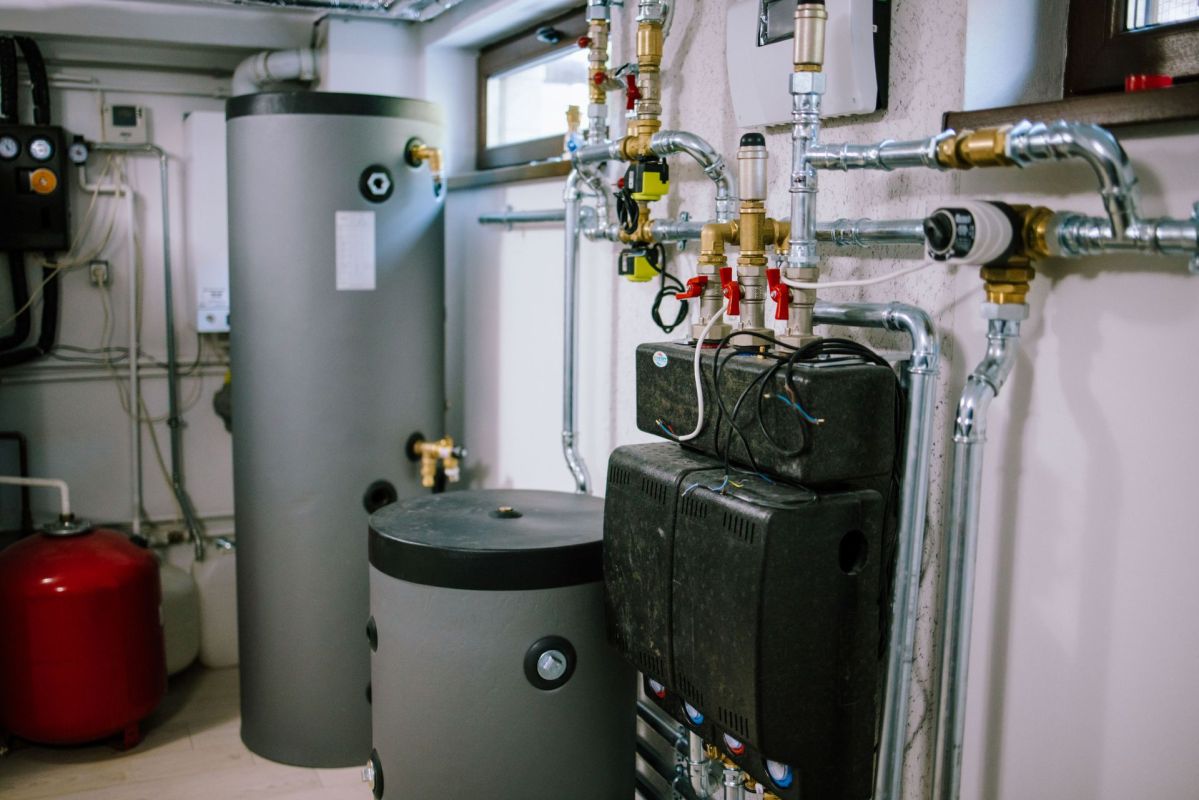
A homeowner shopping for a 50-gallon, 240-volt heat pump water heater for an 800-square-foot basement turned to Reddit for advice. They said that "the dehumidifying aspect would work wonders here."
Here's what to know
Across the Reddit conversation, Rheem was the name that appeared most often.
A user said they had a positive experience with Rheem at a previous house, which led them to install the brand again after moving, and they still had no regrets.
Energy savings also helped drive the discussion. Because heat pump water heaters pull heat from the air around them, they can be more efficient than standard electric tanks.
Another Rheem owner said incentives in their state made the purchase "cheaper than a regular WH," and that "the savings on our bill was noticeable."
Rheem was not the only brand to get support. Stiebel Eltron was described as durable, Navien drew praise for its stainless tank, Rinnai was mentioned as a decent-looking option, and both GE Geospring and LG were highlighted as quieter choices.
Bosch also picked up a recommendation, and one user said a Ruud unit had been "great" for seven years.
A.O. Smith, on the other hand, drew repeated warnings. One user warned, "Google 'ECC' with AO Smith heat pump, I'm on my third unit."
Save $10,000 on solar panels without even sharing your phone number Want to go solar but not sure who to trust? EnergySage has your back with free and transparent quotes from fully vetted providers in your area. To get started, just answer a few questions about your home — no phone number required. Within a day or two, EnergySage will email you the best options for your needs, and their expert advisers can help you compare quotes and pick a winner. Solar panels can save you more than $50k over their 25-year lifespan, and EnergySage can help you save as much as $10k on installation. Which begs the question — isn't that worth an email or two? |

That concern wasn't limited to one bad experience: another user said the subreddit regularly cautions buyers against A.O. Smith and State heat pump water heaters because of reliability problems and customer service issues.
More background
The basement setting mattered for more than just where the unit would sit, since the OP was also hoping to gain some of the cooling and dehumidifying effect that can accompany heat pump operation.
Tank size became another point of contention, with one user arguing that 50 gallons is often too small and that heat pump models may need more capacity than the gas or electric tanks they replace.
The OP responded that their existing 36-gallon oil water heater had done the job and that they had "never had an issue with water."
Specific models came up as well. One user praised a 65-gallon Navien for its flexible installation options and strong electric elements, while another said the GE unit was "VERY efficient, with a UEF of around 4.7."
Bradford-White also got a negative mention from one user, who objected to parts availability.
Another user suggested looking into Cala, a newer company making customizable smart heat pump water heaters.
Those smart systems are designed to help homeowners decrease their energy bills by heating water exactly when it's needed, which could be especially useful for families with variable schedules.
The user said the units use "advanced software to schedule heating at optimal times, including working with your solar system if you have one."
For buyers comparing newer options, Cala is one example of how software and scheduling are becoming part of the value proposition.
Which model is best can come down to basement space, how a household uses hot water, the rebates available, and whether quiet performance or smart controls matter most.
Where can I learn more?
If you're comparing a heat pump water heater with other electrification upgrades, these stories dig into the same homeowner questions about savings, sizing, installers, and rebates. They follow homeowners sorting through heat pump costs, contractor advice, and whether the technology delivers in real homes.
• After a natural gas furnace failed, homeowners said there are rebates out there for switching.
• Homeowners weighing HVAC upgrades said not just the energy savings but comfort matters too.
• One buyer was told I wouldn't let them upsell you when comparing replacement options.
• One HVAC tech refused to quote a system, citing so many misconceptions about heat pumps.

Get TCD's free newsletters for easy tips, smart advice, and a chance to earn $5,000 toward home upgrades. To see more stories like this one, change your Google preferences here.






