


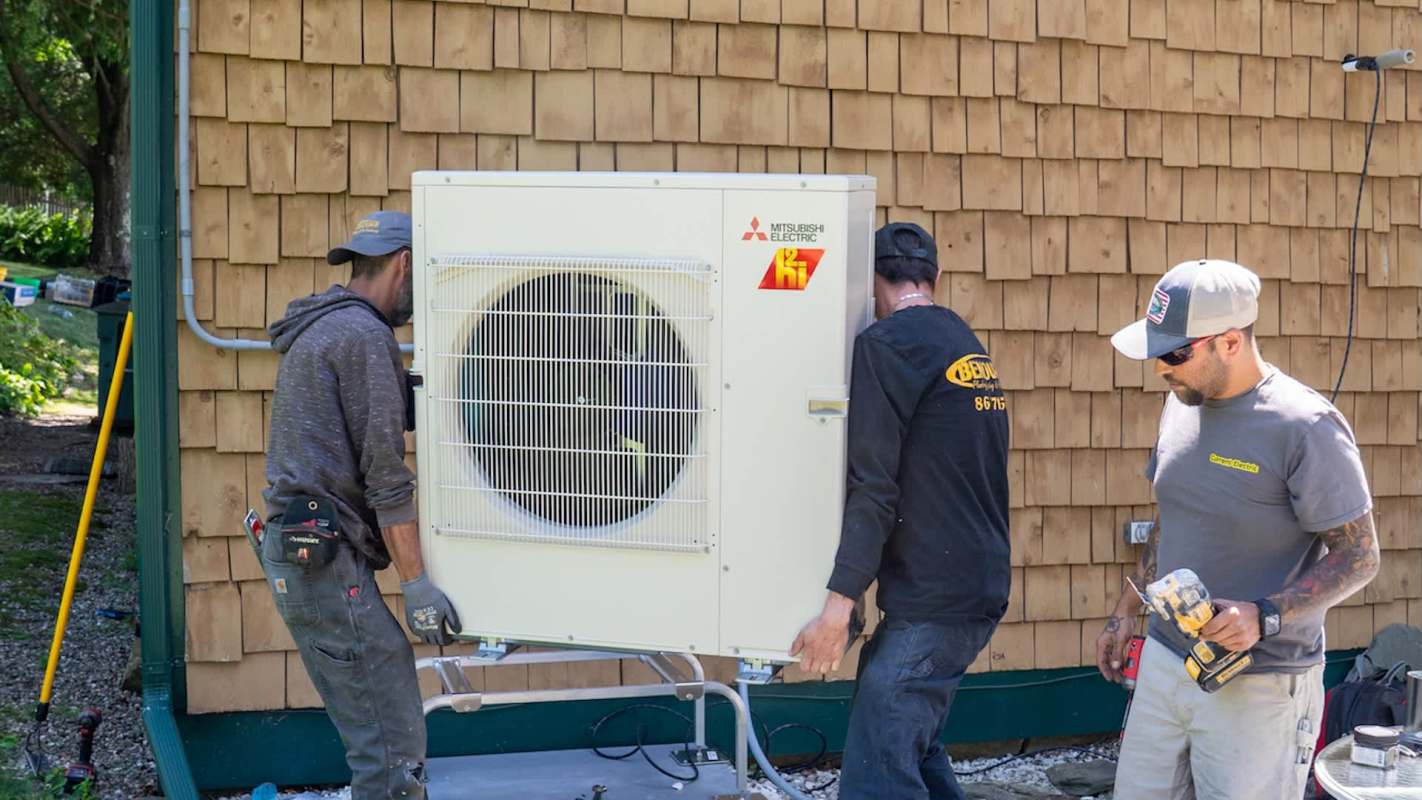
A New Hampshire homeowner shopping for a replacement for an aging furnace sparked a lively debate online after comparing two very different cold-climate heat pump quotes: a $24,000 Mitsubishi Hyper-Heat system and a $17,000 Arctic Heat Pump.
With winter temperatures potentially dropping to minus 25 degrees Fahrenheit, the question was simple but high stakes: Which unit will actually hold up when the cold gets serious?
In a Reddit post on r/heatpumps, the homeowner asked for real-world experience from people who have used both systems in harsh winter conditions, especially in the range of minus 10 to minus 25 degrees Fahrenheit.
The discussion quickly centered on three big issues: cold-weather performance, support and warranty concerns, and whether a backup heat source is still worth keeping.
"Look at performance data. The Ecodan is by far the better cold climate performer. Not even close...," one person wrote, in support of the Mitsubishi Electric product.
Another shared their experience with a Mitsubishi system in Minnesota: "Installed a Hyper heat mitsubishi heat pump with 2 cassettes in the attic. … No regrets, it's awesome in winter. Look up our weather history these past 2 winter seasons in Minnesota and our rooms were 75 degrees all winter.
TCD Picks » Quince Spotlight
💡These best-sellers from Quince deliver affordable, sustainable luxury for all




Others had thoughts about Arctic units, with one saying: "I had an Arctic system put in 3 years ago and I've had issues with the controller not calling for the heat pump and defaulting to the aux. … Im happy with the system when it runs but I can't recommend it with an issue like that."
Another pointed out the potential benefits, depending on location: "[Arctic] seem good and likely one of the only local options for air-water. Air-water is much more developed in Europe but harder to find here."
The thread highlights a question many homeowners in northern states face as they consider moving away from fossil-fuel heating: Can a heat pump really replace a furnace in a place like New Hampshire?
That's why commenters kept returning to two practical concerns. First, performance in extreme cold is not just about the equipment label — it depends on the home's actual heat loss. Second, the quality of the local service network may matter just as much as the nameplate on the outdoor unit.
The discussion also showed that many homeowners still think in terms of resilience, not just efficiency. Even if a heat pump can handle most winter days, some people prefer the peace of mind of backup heat for the coldest stretches.
For anyone weighing a similar upgrade, before choosing between brands, get a Manual J heat-loss calculation (an industry-standard calculation used by HVAC pros) so the equipment is matched to the house rather than estimated by rule of thumb.
It's also worth asking contractors tougher questions about service after installation. Who handles warranty claims? How quickly can parts be sourced? Is there a local technician network familiar with the brand? A lower bid may not feel like a bargain if repairs take weeks during peak heating season.

Get TCD's free newsletters for easy tips, smart advice, and a chance to earn $5,000 toward home upgrades. To see more stories like this one, change your Google preferences here.






