


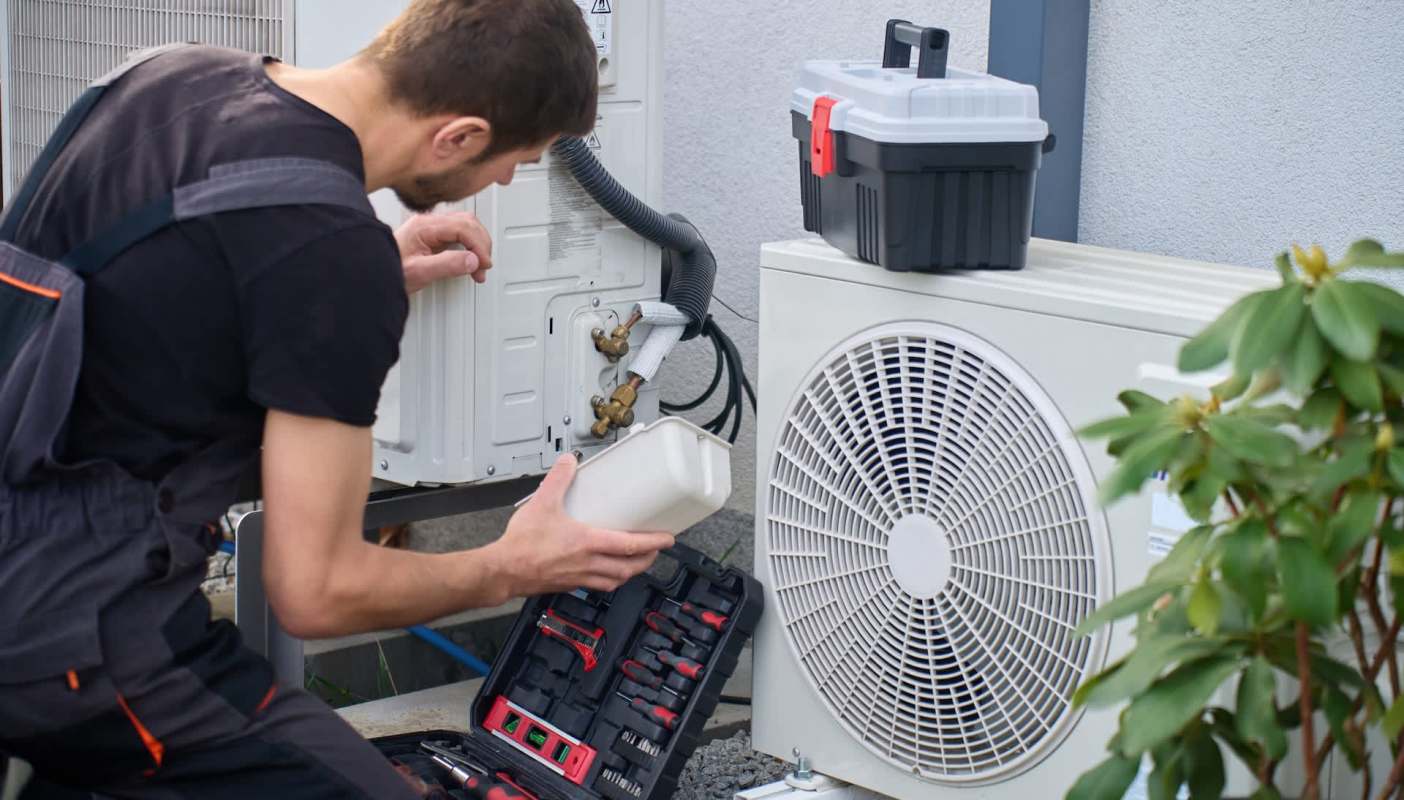
Heat pumps are looking less and less like a niche home upgrade and more like the future of home heating and cooling in the United States, with a new analysis suggesting Americans are now buying more heat pumps than fossil fuel furnaces.
Here's what to know
According to a report from the nonprofit Building Decarbonization Coalition, U.S. heat pump sales are about twice what they were 15 years ago — a gap that continues to widen. The group found that in the first quarter of 2026, heat pump shipments were 32% higher than fossil fuel furnace shipments and came close to overtaking air-conditioning units, as AOL reported.
The shift is also becoming more visible in new home construction. In 2024, heat pumps were installed in 46% of new housing, compared with 47% for forced-air furnaces, including natural gas systems and electric resistance versions.
Kevin Carbonnier, associate director of analytics at the Building Decarbonization Coalition, said, "It's not just that heat pumps are better, more comfortable, more efficient than furnaces. But also, you get the two-in-one appliance."
During winter, heat pumps transfer warmth from outdoor air into the home. In summer, they switch directions to cool the house, and they generally use less energy than many conventional systems.
More background
The trend is especially notable because buildings are a major source of planet-warming pollution, and home heating accounts for a large share of that impact. Unlike gas furnaces, heat pumps do not burn fossil fuels inside the home, making them a cleaner option, particularly as the electric grid continues to add more renewable energy.
TCD Picks » Quince Spotlight
💡These best-sellers from Quince deliver affordable, sustainable luxury for all




Heat pumps are also far more efficient than electric resistance systems such as baseboards, which generally convert one unit of energy into one unit of heat. By comparison, heat pumps typically provide two to four units of heat for every unit of energy they use.
New housing is helping drive that transition. Roughly three-quarters of new apartments in the U.S. are heated with electricity, making it easier for builders to skip gas hookups altogether. Kristin George Bagdanov, the coalition's associate director of research, said, "It's kind of becoming more of a common-sense measure to only build electric, especially with these new buildings, because the appliances are also so much more efficient."
As electricity demand grows and utilities invest more in infrastructure, highly efficient appliances can help reduce how much new power generation, transmission, and storage are needed. In turn, that could help ease some of the pressure on energy bills.
What's being done?
Builders and utilities are both exploring ways to speed the transition. In multifamily housing, more apartment developers are using heat pumps, especially in newer projects.
Utilities are also testing networked geothermal systems, which circulate liquid through underground pipes and allow buildings to use heat pumps connected to the more stable temperatures below the surface. Because the ground stays much warmer than winter air during colder months, these systems can be even more efficient than standard air-source heat pumps.
Carbonnier noted that this approach could also build on the skills many gas utility workers already have. "It's all the same skill sets: managing infrastructure systems, drilling, laying down pipe in the street," he said. "All the same stuff that the gas workers are already doing."
If the trend continues, more households could gain access to heating and cooling systems that deliver year-round comfort while using less energy than older options.
"It's been four years in a row that there's more heat pumps being shipped out from manufacturers than fossil fuel furnaces," Carbonnier said. "I think we are at a tipping point."

Get TCD's free newsletters for easy tips, smart advice, and a chance to earn $5,000 toward home upgrades. To see more stories like this one, change your Google preferences here.






