


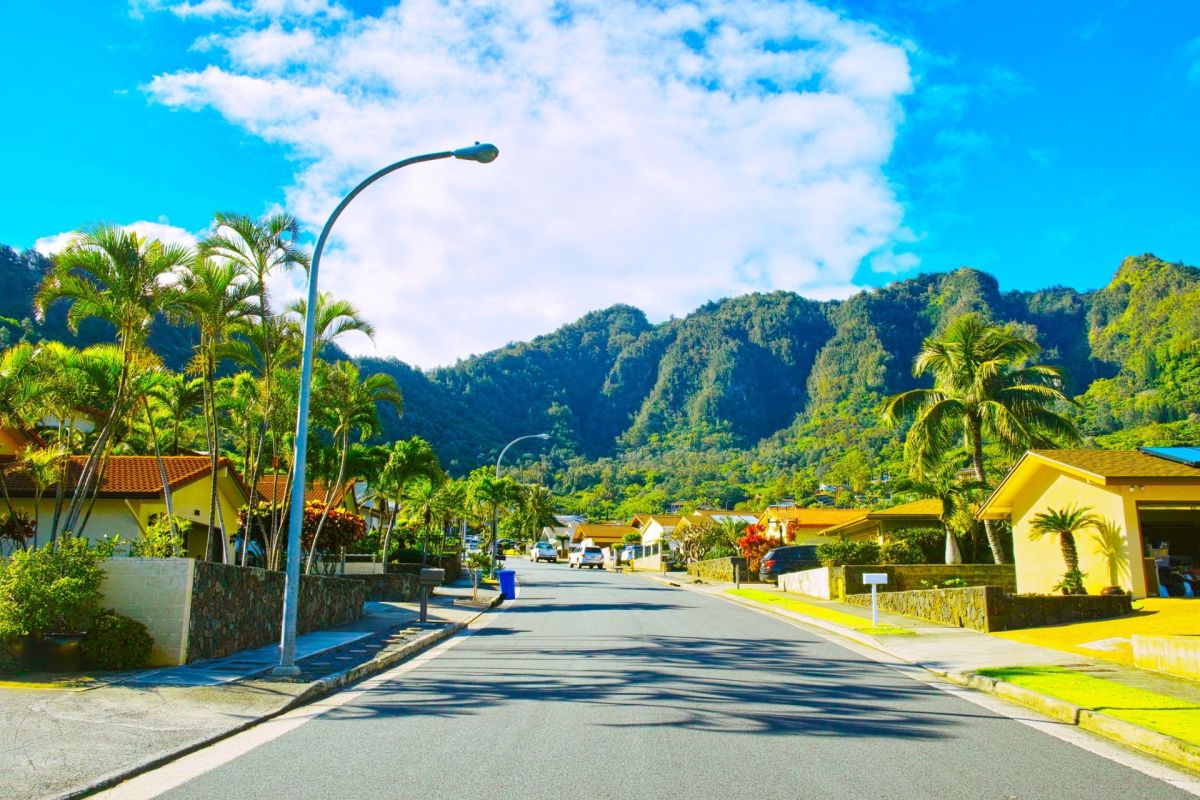
Hotter summers in Hawaiʻi are colliding with another reality across the islands: many homes still do not have air conditioning.
Lack of AC does not necessarily reflect a lack of demand. Traditional home design, high electricity prices, and the wear-and-tear of island conditions can make cooling systems an expensive choice.
What's happening?
Citing National Oceanic and Atmospheric Administration data, House Digest reported that Hawaiʻi is roughly 2 degrees warmer than it was about 70 years ago, and average summer temperatures sit around 85 degrees Fahrenheit.
Even with that heat, the U.S. Energy Information Administration's 2020 residential energy consumption survey found that just 57% of Hawaiʻi homes used air conditioning.
For a tropical state, that share may seem surprisingly small, but there are several practical reasons AC has not become universal.
Residents face the country's highest electricity prices, and the cost to put in an AC system can exceed $3,000 before routine upkeep is added.
TCD Picks » Quince Spotlight
💡These best-sellers from Quince deliver affordable, sustainable luxury for all




Location matters as well. Higher-elevation areas can stay cool enough that a major HVAC purchase is harder to justify, while systems elsewhere must withstand salty air, moisture, and even "vog," the volcanic form of smog.
Because of those costs and conditions, many homeowners stick with fans and passive cooling methods rather than taking on a large upfront bill and expensive monthly electricity use.
Why does it matter?
Going without AC can spare Hawaiʻi households an installation bill above $3,000, plus the ongoing cost of operating a system where power is especially expensive.
Longevity is another consideration. Salty ocean air can speed corrosion, and humidity adds extra strain to cooling equipment.
The result can be more frequent filter changes, additional repair needs, and replacing a system sooner than expected, all of which can become costly.
At the same time, rising temperatures are making cooling increasingly important for health and comfort.
Thoughtful home design can reduce energy use, lower costs, and make indoor spaces more comfortable even as the climate changes.
What's being done?
Hawaiʻi already has a built-in playbook for lower-cost cooling.
Many houses use lanais, verandas, overhangs, trellises, and shade trees to limit direct sun and slow indoor heat buildup.
Cross-ventilation is another long-used tactic, with windows placed to take advantage of trade winds that often blow 15 to 20 miles per hour for much of the summer.
Jalousie windows, a longtime island staple, can also bring in airflow while still helping shield interiors from rain and intense sun.
Together, those elements offer a lower-cost way to stay cooler: lean on fans, open windows strategically, and use shade as much as possible before moving to pricier mechanical cooling.
That approach can help cut power use while preserving comfort.
House Digest reported that Hawaiʻi plans to expand renewable systems, including rooftop solar at 50,000 sites by 2030, to make power more affordable and sustainable.
If that effort succeeds, it could ease some of the financial pressure associated with cooling homes in a hotter future.

Get TCD's free newsletters for easy tips, smart advice, and a chance to earn $5,000 toward home upgrades. To see more stories like this one, change your Google preferences here.






