


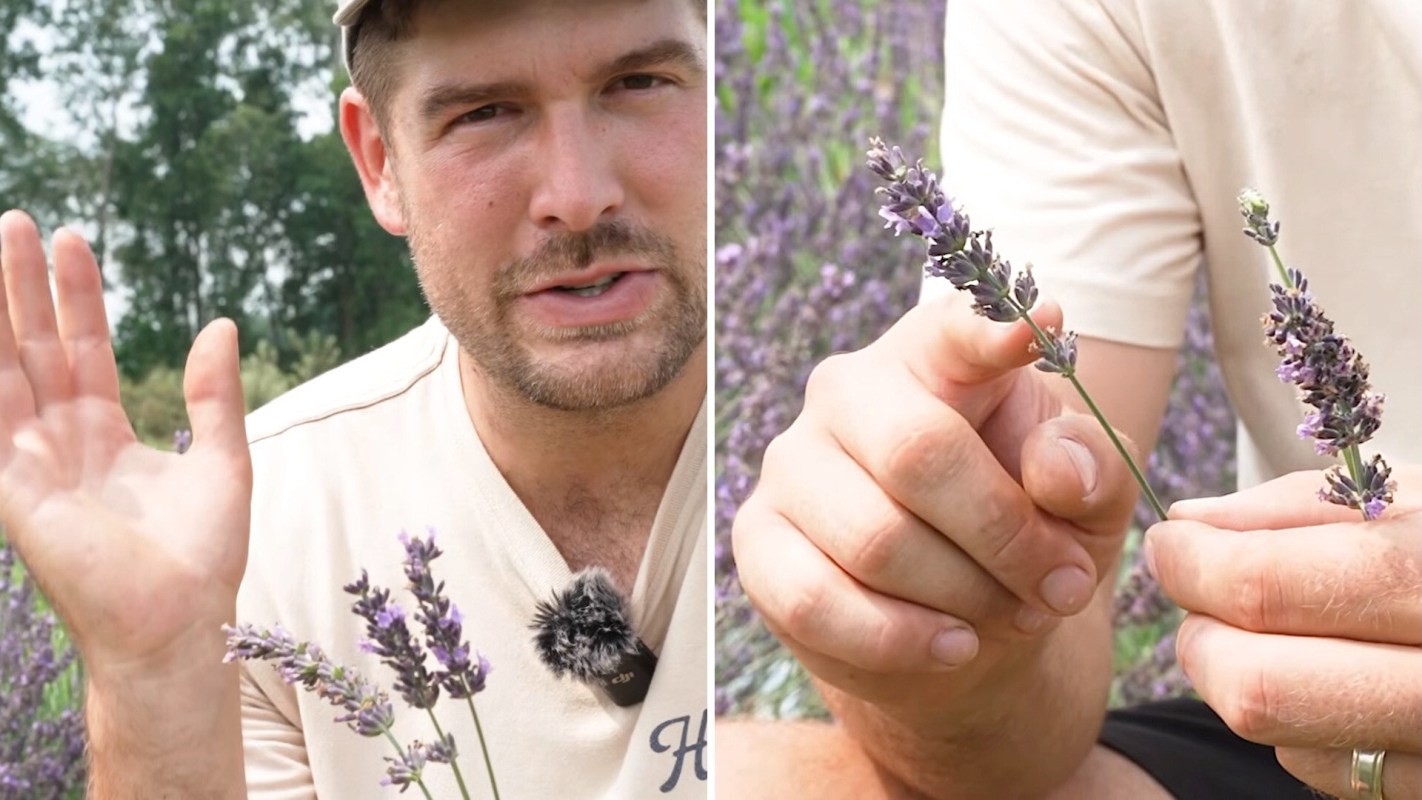
Harvesting lavender can seem simple enough, but many home gardeners find out the hard way that cutting it at the wrong time can leave dried buds with weak flavor, a brownish color, and far less appeal than expected.
A video explainer is drawing attention to that common mistake, reminding gardeners that when lavender is harvested can matter just as much as how it's grown.
What's happening?
On YouTube, Luke from the MIgardener channel (@MIgardener) said gardeners often snip lavender too soon when they hope to dry it for lemonade, cookies, tea, and similar kitchen uses.
Drawing on his own experience, he said he used to treat the obvious blossoms as the part to save, and the result was dried lavender with little flavor that didn't perform well.
His advice was to judge the plant by its stage rather than by its showiest moment. According to Luke, the flowers are the first part to open, and the purple podlike pieces that remain are often what people actually want for drying and later use.
"As soon as like 90% of the blooms have dried up and have fallen off, that's when you go and that's when you cut them," he said.
TCD Picks » Quince Spotlight
💡These best-sellers from Quince deliver affordable, sustainable luxury for all




Commenters noted that the timing is not one-size-fits-all.
"The best time to harvest English Lavender varieties (lavandula angustifolia) for culinary purposes and bundles, is when JUST a few buds are starting to open with lots of swollen unopened buds," one experienced grower wrote. They added that the best harvest window depends on both the lavender variety and whether it will be used for cooking, tea, bundles, or sachets.
Why does it matter?
A mistimed harvest can waste an entire season's work, along with the time and money invested in the plant. Because people grow lavender for both beauty and use, cutting it too early or too late can reduce its aroma or flavor.
Before harvest, Luke said honeybees were "going absolutely crazy" over the blooms.
Replacing even part of a traditional lawn with native plants, clover, buffalo grass, or xeriscaping can save time and money on upkeep while reducing water bills. That kind of swap can also free up room for practical plants, including lavender, herbs, and other pollinator-friendly choices.
What can I do?
Start by deciding how you plan to use your lavender. Harvest timing can shift a bit for culinary purposes, dried bundles, sachets, and decorative stems, and the cultivar matters as well.
One helpful approach is to cut a few stems at different stages and compare their scent, texture, and drying quality.
Once the stems are cut, one commenter advised drying them in bundles in a dark space with good airflow until they're completely dry before removing the buds or storing them. Keeping notes on the variety and the harvest stage can also make it easier to adjust next season.
If you're rethinking the rest of your yard, lavender can work well in a landscape that needs less maintenance.
Luke described lavender as "the best smell ever" and said that "patience is a virtue with lavender."
"Lavender and chamomile dried make a wonderful tea!" one commenter added.
"Thank you! I had no idea!" another wrote.

Get TCD's free newsletters for easy tips, smart advice, and a chance to earn $5,000 toward home upgrades. To see more stories like this one, change your Google preferences here.







