


Corn may seem straightforward to grow, but one small detail hidden beneath the husk helps explain why some ears turn out full while others are dotted with bare patches.
A now-viral gardening video is offering home growers an expert explanation for what corn's silks actually do and why gardeners plant corn in blocks.
What's happening?
Epic Gardening recently broke down the process in an Instagram video.
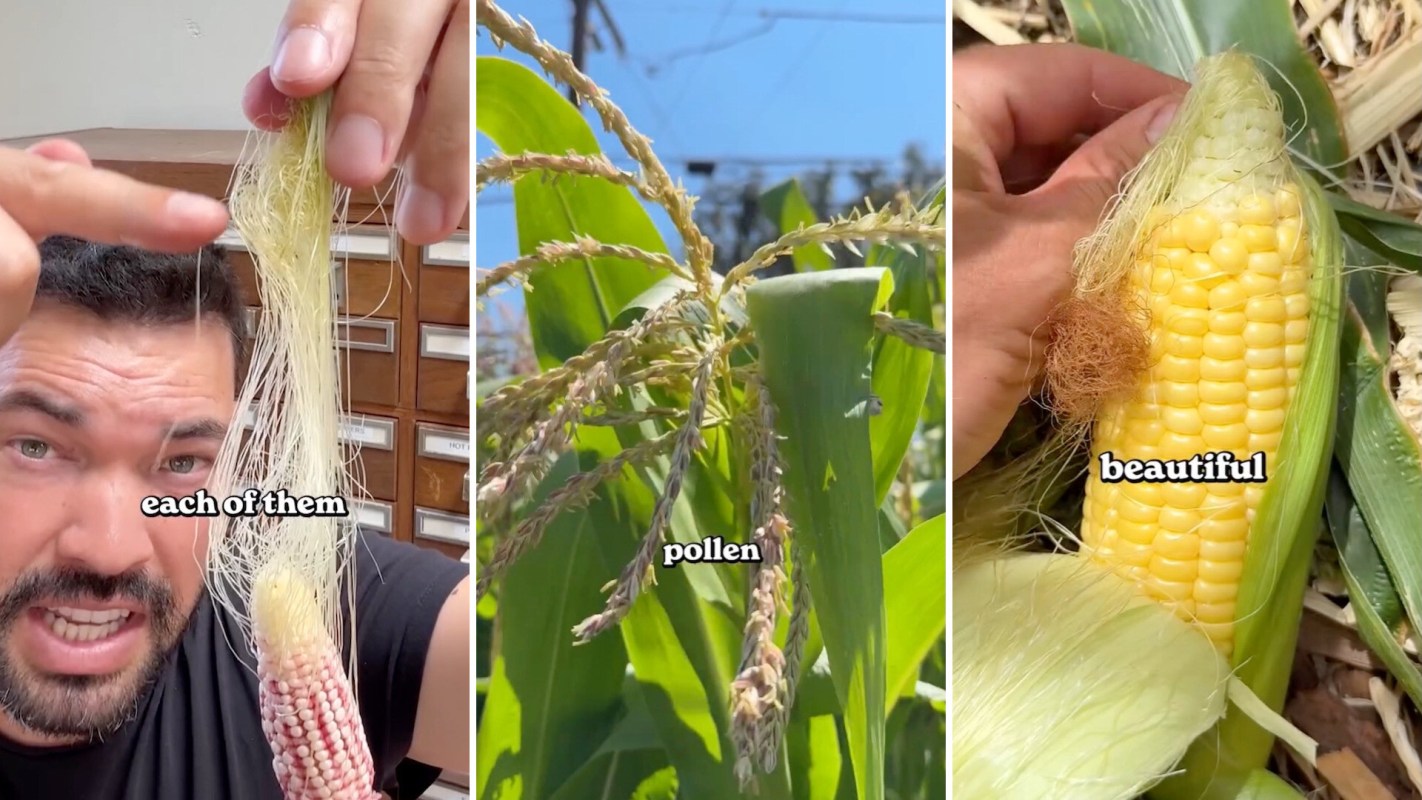
The creator opens up an ear of corn and points to the silks, explaining that each strand leads to an individual kernel. For each kernel to develop, pollen has to land on its respective silk and move down to the kernel to begin fertilization.
Pollen is shed from the tassels above and usually moves through a garden or farm via the breeze, rather than with help from bees. But any silk that gets missed can leave an empty spot behind, creating the scattered gaps people sometimes see on an ear of corn.
This is why most growers plant corn in blocks. As Epic Gardening explained, "growing [corn] plants close together dramatically improves pollination and leads to fuller ears at harvest."
TCD Picks » Quince Spotlight
💡These best-sellers from Quince deliver affordable, sustainable luxury for all




One commenter responded to the explanation, writing, "I didn't know the silk was the umbilical cord to each kernel. I love corn more now."
Why does it matter?
Because corn relies on airborne pollen, bunching plants together in a block can improve how well neighboring stalks fertilize one another and help produce more complete ears. For people trying to stretch their grocery budget with backyard produce, that small planting decision can make a harvest more worthwhile.
If you are growing only a handful of stalks, you can also step in during pollination. One commenter recommended catching tassel pollen in a paper bag and brushing it onto the "hair things" when ears are filling poorly, and even lightly shaking the stalks to help move pollen around a small planting.
There are other benefits of growing your own corn, too. Homegrown vegetables often taste better because they can be picked at peak ripeness, and gardening itself can support both physical and mental health through regular movement, time outdoors, and stress relief.

Get TCD's free newsletters for easy tips, smart advice, and a chance to earn $5,000 toward home upgrades. To see more stories like this one, change your Google preferences here.






