


Getting your hands dirty in the garden can provide many benefits.
Gardening can be a great way to exercise, while the time spent in the fresh air can reduce stress and improve respiratory health. Planting fruits and vegetables, meanwhile, can encourage a healthier diet and help reduce your grocery bills.
But some gardens can also help to protect your home from flooding, as plants, rocks, and trees can provide a natural defense from the flow of water towards a property.
One Redditor posted on the platform's r/NoLawns community pictures of their efforts to stop rainwater from collecting in their yard.
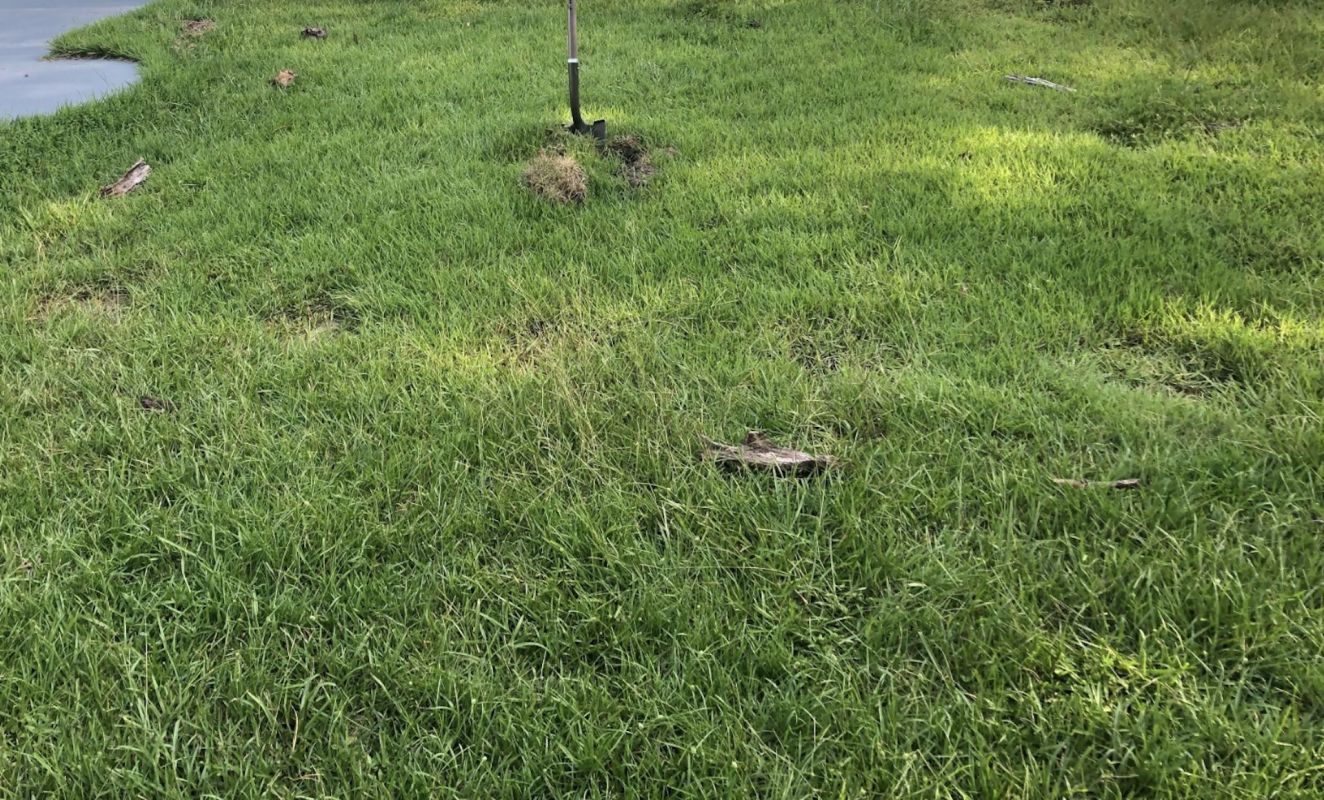
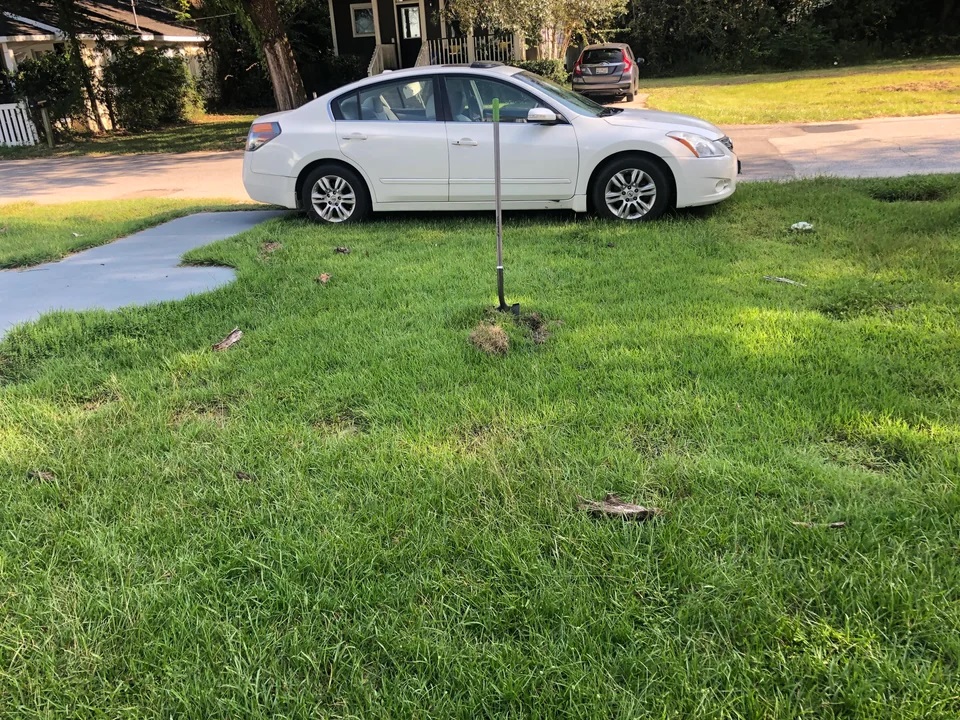
In a pair of before-and-after pictures, the user first showed their monoculture lawn untouched and then offered an updated image after their hard work was complete.
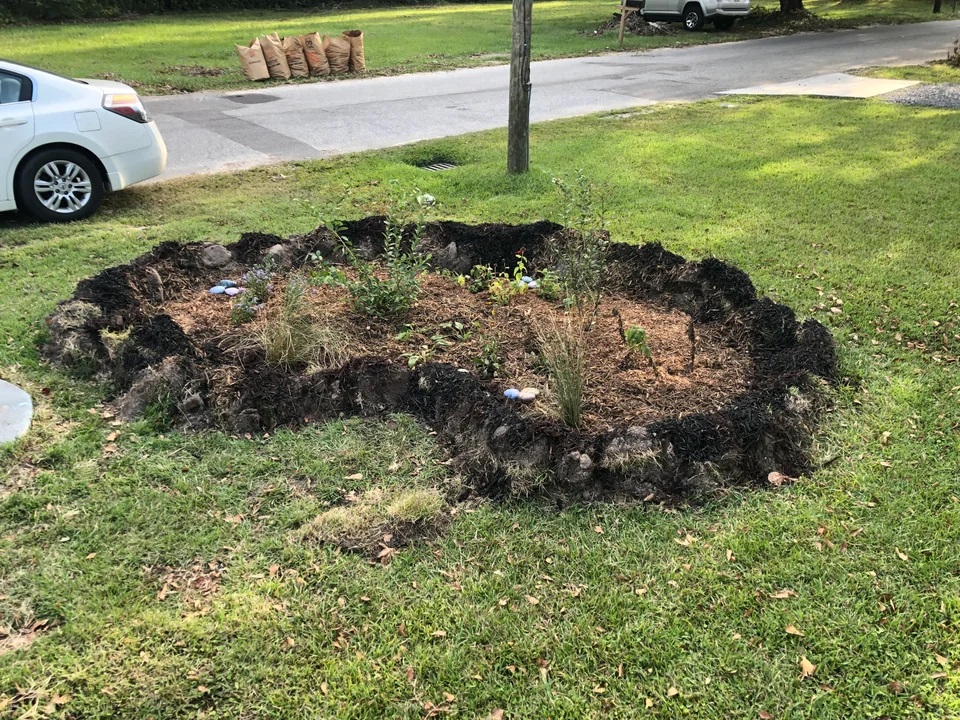
They created a bean-shaped plot surrounded by a raised berm, and within was some newly planted grasses and shrubs, as well as a layer of mulch.
"Hard to tell from the photos, but is the area raised?" one user asked.
The original poster replied that the xeriscaped area had been dug down, and they created a six-inch depression from the lawn to the mulched area to help collect any excess water.
"Looks good," the curious Redditor commented. "We'll need an update in the spring when it's filled with rain water."
Indeed, if it's successful, it could prove to be an attractive way to avoid the risk of flooding — and the patch of plants should also encourage pollinators.
TCD Picks » Quince Spotlight
💡These best-sellers from Quince deliver affordable, sustainable luxury for all




With global heating leading to a rise in flooding events following intense rain storms, this sort of protection is becoming essential for many homeowners.
Stone or cement are not helpful yard options because they do not absorb water, increasing the risk of water collecting and eventually coming through the front door or leaking into a basement.
But lawns, trees, and other plants can take in a lot of this water, minimizing the probability of a disastrous impact inside.

Join our free newsletter for easy tips to save more, waste less, and help yourself while helping the planet.
Cool Picks






