


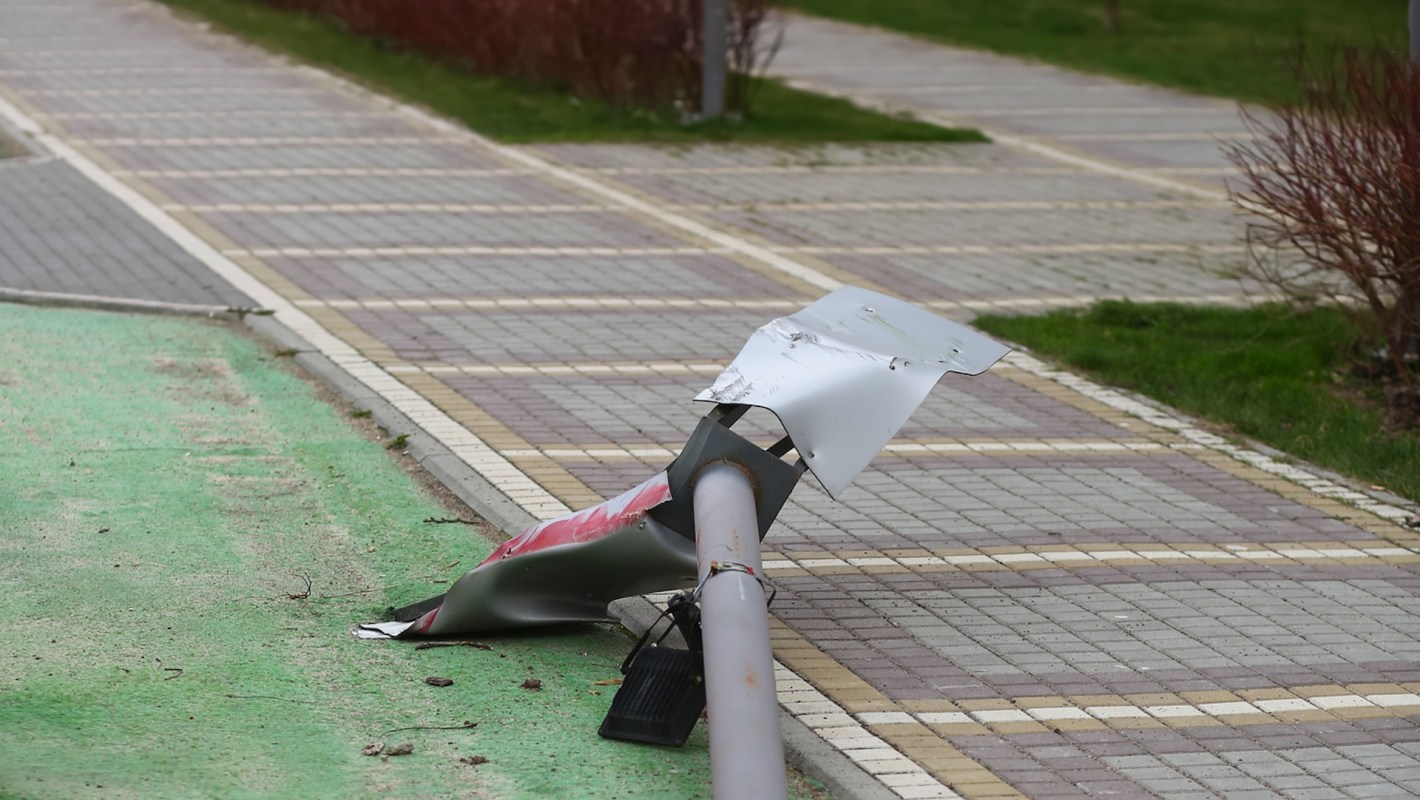
In one Georgia neighborhood, a conflict over surveillance implemented by a homeowners association without resident approval took a turn when two cameras were cut down.
Here's what to know
As reported by local news outlet WTOC, police officers responding to a property damage complaint in the Sweetwater Station neighborhood of Savannah, Georgia, found that two Flock cameras at the community's entrance had been vandalized.
A representative for the homeowners association told police the damage appeared intentional and said the cameras looked as though they had been cut down with a saw.
According to WTOC, police said the representative referenced a conversation on his private social media platform about the purpose and rollout of the surveillance cameras. While the installation had been announced on Sweetwater Station's neighborhood website, residents had apparently not approved the move.
Officers reportedly canvassed the area for additional surveillance footage and reviewed data from one of the cameras, which captured the license plate of the last vehicle recorded before the damage. Police have not confirmed any link between that vehicle and the apparent vandalism.
The damaged cameras were collected and placed into evidence pending further investigation, according to WTOC.
TCD Picks » Quince Spotlight
💡These best-sellers from Quince deliver affordable, sustainable luxury for all




More background
Across the country, HOAs have drawn criticism not only for restrictive rules but also for blocking residents from making unapproved home upgrades, such as the installation of solar panels and native lawns.
In this case, conflict seems to center on the HOA's installation of artificial-intelligence-powered surveillance that had not been approved by neighborhood residents.
Flock surveillance cameras have met with widespread backlash in communities across the U.S. for the threat critics say they pose to privacy and security as related to the personal data the systems collect and store. Critics have also pointed to cases in which the use of such data has led to false accusations and arrests.
What can be done?
One practical first step for residents is to understand exactly what an HOA can and cannot do under its bylaws, covenants, and state law.
Residents dealing with disputes over rules, upgrades, or board decisions can document communications, review governing documents, and learn how amendment and approval processes work.
HOA boards can reduce conflict by being more transparent before installing new equipment or enforcing controversial policies, including by giving residents notice, clearly explaining costs and goals, and seeking meaningful approval when changes affect privacy or property use.

Get TCD's free newsletters for easy tips, smart advice, and a chance to earn $5,000 toward home upgrades. To see more stories like this one, change your Google preferences here.






