


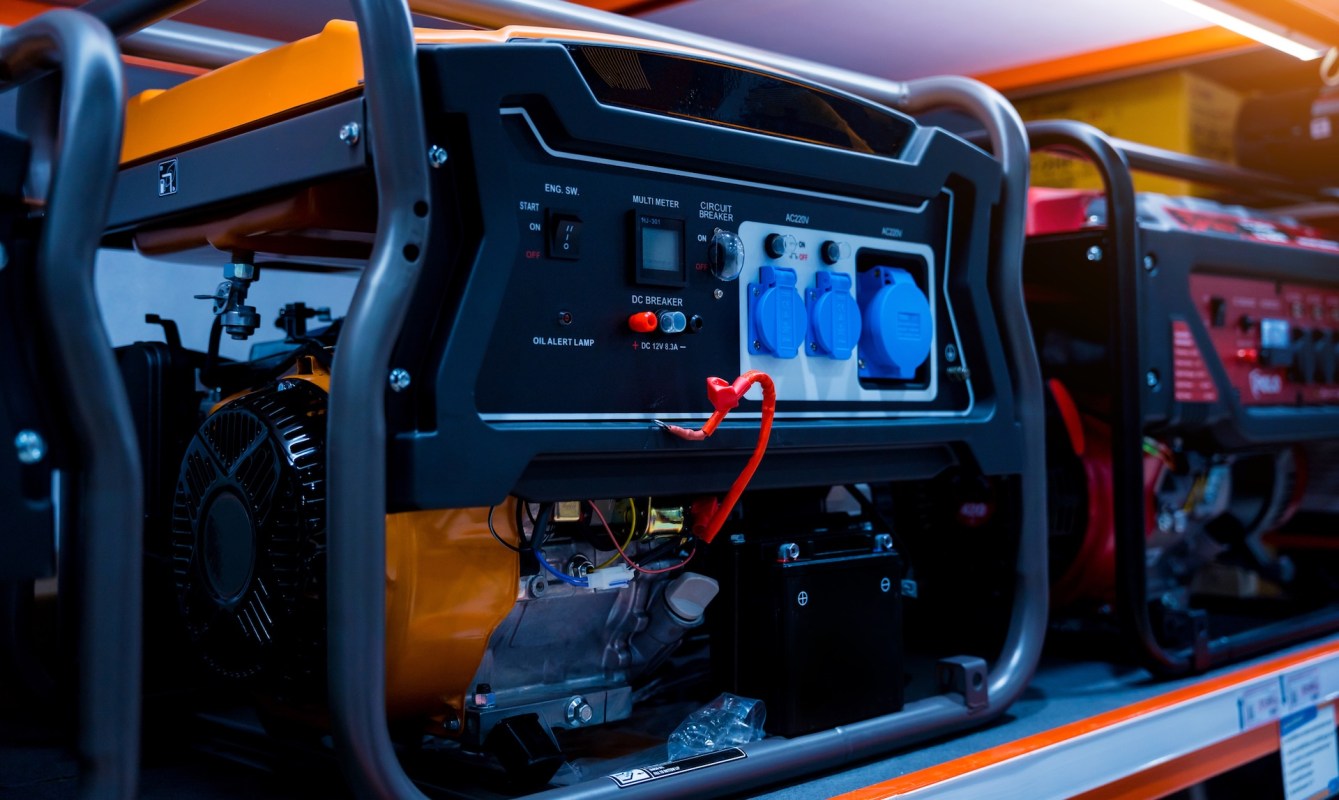
When it comes to backup power, is bigger always better?
A homeowner preparing for an upgrade got an unexpected recommendation: at least a 9,600-watt generator for a 50-amp inlet and interlock.
Here's what to know
The homeowner said they were just seeking backup power for the basics: heating, hot water, lighting, refrigeration, and internet access. Even so, the electrician recommended a 9600W unit.
"Is this too much? Or sound about right?" they asked in Reddit's r/Generator.
In the replies, two competing views emerged: buy a larger unit for flexibility or size the generator only for essentials to avoid burning through fuel too quickly.
One commenter wrote: "People love big generators, I mean, who doesn't. However when the power is down and gas stations are closed, small fuel efficient generators are highly desirable." They believed a 3 kW generator would be sufficient.
TCD Picks » Quince Spotlight
💡These best-sellers from Quince deliver affordable, sustainable luxury for all




Supporters of the larger proposal thought it sounded reasonable for certain situations.
"9600w is fine if you are going to run in on natural gas (you will lose 20% so your 9600W generator will be an 8000w generator)," one person said.
More background
A downside to oversizing isn't just the purchase price; it's also the fuel demand.
"You are going to have a hard time sourcing 20 gallons of gasoline or propane/ day in an outage," a commenter warned. Another remarked that a larger generator would be louder.
Several commenters said that looking at actual demand inside a home, rather than the inlet rating, is a good starting point for determining generator size. In practice, that means accounting for the brief surge when appliances first turn on as well as their normal operating draw.
Another suggestion was to combine a small generator with stored electricity. "Consider a small 2kw generator, charging a medium size 4kw power station. Use the genset only to charge the power station, then shut it down. This is extremely fuel efficient, quiet," someone said.
If you're in a similar situation, the answer likely comes down to your goals. As one commenter put it: "Bigger is better in that it allows you to run more things. Bigger is worse in that they are heavier, more expensive, and use more fuel."
Where can I learn more?
These stories explore the similar backup-power tradeoffs raised in the generator-sizing debate.
• Families are replacing gas units with safer home battery systems that avoid fumes and refueling.
• Homeowners are finding backup solar keeps essentials running without noise or recurring fuel bills.
• After Hurricane Beryl, experts warned generator exhaust can turn deadly during storm-driven indoor misuse.
• More homeowners are opting for next-gen backup systems that run quietly and skip gasoline altogether.

Get TCD's free newsletters for easy tips, smart advice, and a chance to earn $5,000 toward home upgrades. To see more stories like this one, change your Google preferences here.






