


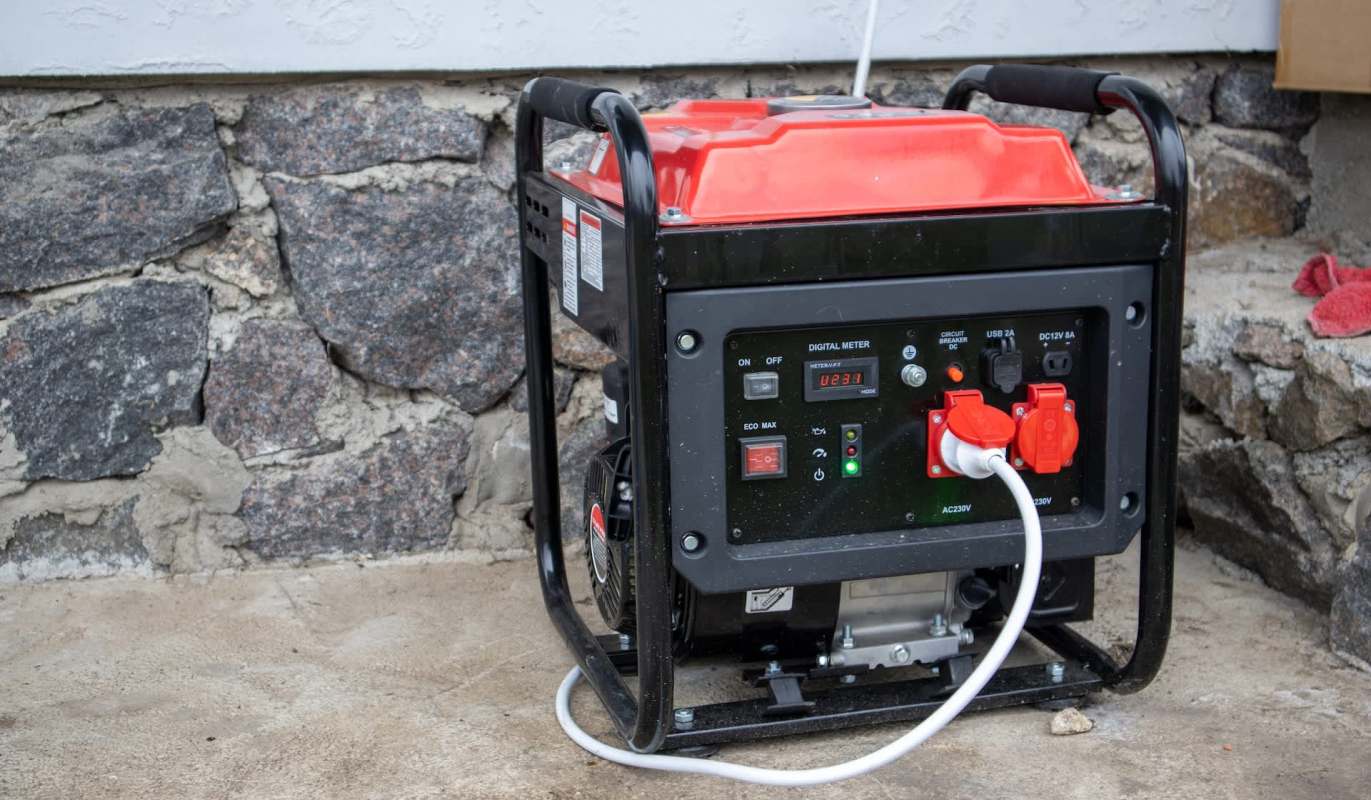
Backup power gets complicated when one portable generator is expected to serve more than one panel. That was the issue raised by a Redditor with a 13,000-watt Predator unit.
What's happening?
The original poster wanted to know whether they could use every 30-amp outlet interchangeably for two subpanels. They said they planned to "run a 50-amp cord to one subpanel and use a 30 to 50 adapter to run 30 amps from the same generation to subpanel two."
They wondered whether it mattered if they used the 120-volt or 240-volt out receptacle.
"I don't want to screw up," they said.
Commenters pointed out that the OP could be in for some trouble.
"I would use both 240v circuits. You just have to watch your loads as the generator can't do 50 amps and 30 amps at the same time," one said. Another added: "Yes, the 30 240-volt is what you want. Will definitely have to do some load management."
TCD Picks » Quince Spotlight
💡These best-sellers from Quince deliver affordable, sustainable luxury for all




Why does it matter?
Proper load management can remove the need to buy a second generator or upgrade to a permanently installed standby unit. But the wrong choice can get costly.
A mismatch between outlet type and panel requirements can lead to nuisance trips, dead circuits, overloaded wiring, or an electrician visit to diagnose a preventable issue. In serious situations, repair costs for damaged equipment can be steep.
In other words, generator wattage on paper does not translate into unlimited backup power. Every major appliance on that subpanel needs to be accounted for carefully.
What can I do?
If you're planning to use a portable generator for home backup, start by confirming that each subpanel is connected through a legal transfer switch or interlock and a properly installed inlet. Never attempt to backfeed a home panel with improvised cords.
Next, match the voltage to the panel. If a subpanel is meant to serve normal household branch circuits across both legs, it generally needs the generator's 240-volt outlet, not a 120-volt receptacle. An adapter can change the plug shape, but it cannot increase amperage or create the missing second hot leg.
Make a circuit list before an outage happens. Add up both running watts and starting watts, and leave heavy loads such as an electric water heater, dryer, oven, and central air out of the plan unless your generator is specifically sized to handle them.
A one-time consultation with a licensed electrician may be money well spent. Paying to verify inlets, bonding, and load calculations can be far less expensive than replacing appliances — or finding out during an outage that having a 50-amp connector does not mean 50 amps are available.

Get TCD's free newsletters for easy tips, smart advice, and a chance to earn $5,000 toward home upgrades. To see more stories like this one, change your Google preferences here.






