


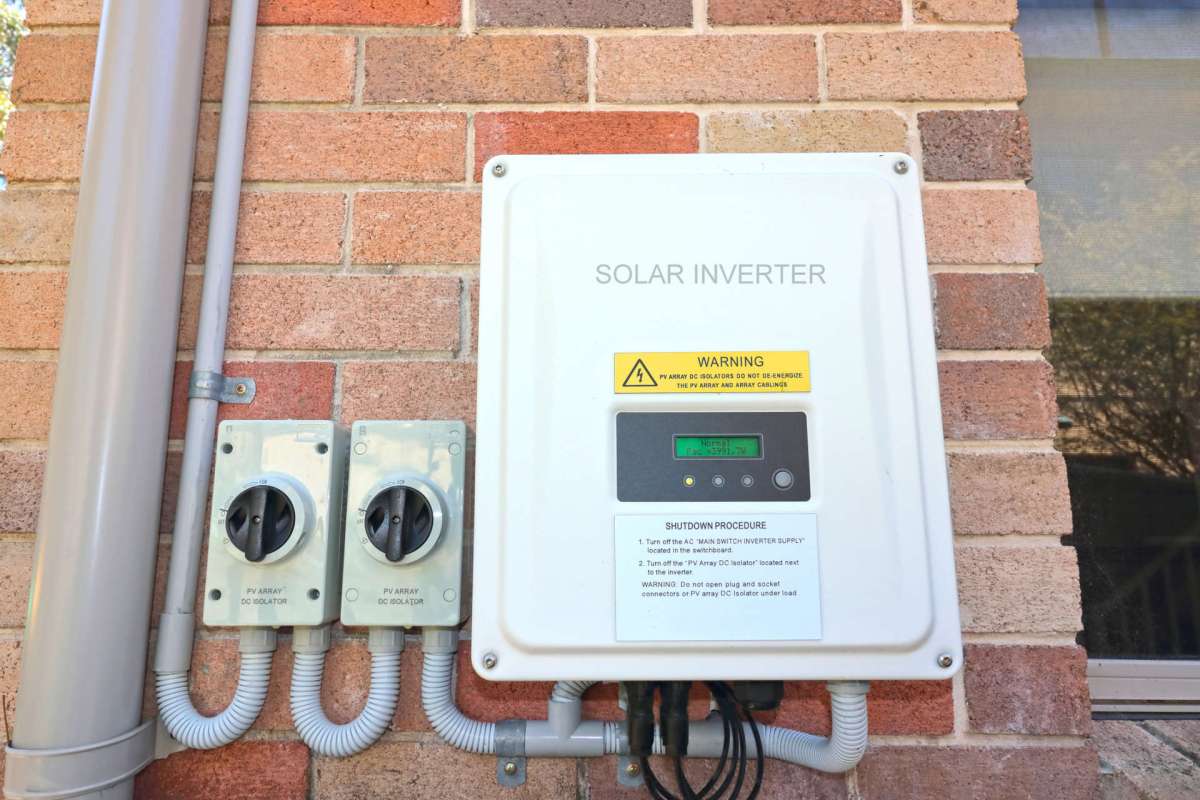
California's effort to update solar hardware is intended to improve grid safety and make it easier to absorb more renewable power. Even so, some homeowners and off-grid supporters fear the same standards could shrink the reliable backup choices families count on when the lights go out.
What's happening?
At the California Public Utilities Commission, Rule 21 has gradually introduced more advanced smart-inverter functions, part of a broader nationwide move by utilities and regulators toward tighter standards for the equipment that connects solar panels and batteries to the grid, The Traveler reported.
Under these newer requirements, inverters are built to help stabilize voltage and frequency and to adjust their output automatically as solar production rises and falls. Comparable concepts are appearing in the national IEEE 1547 standard from the Institute of Electrical and Electronics Engineers and in interconnection rules adopted in other states.
If approved-equipment lists increasingly favor grid-focused designs over older inverters built for backup or off-grid use, households may have a harder time replacing the systems they depend. This can affect refrigerators, medical devices, and internet service during outages.
Adding battery storage is one of the best ways to protect your home during outages, save money on energy, and support off-grid or partial off-grid living. Homeowners can explore EnergySage's free tools to get information about home battery storage options, including competitive installation estimates, and EnergySage has teamed up with the electrification brand Qmerit to guarantee you get the best price on home battery storage solutions. For a lower-cost option, Pila offers plug-and-play batteries priced at a fraction of what a whole-home backup system would cost.
Why does it matter?
Even outside of utility bill savings, families increasingly see solar panels and batteries as part of their emergency planning for wildfire shutoffs, major storms, and long-lasting outages.
If smart-inverter standards are enforced too narrowly, backup power could become harder to get or more expensive to maintain.
Pairing solar with battery storage is also one of the clearest ways for families to keep critical loads running while lowering energy costs over time. If policies discourage the kinds of systems people trust for backup, that could weaken public confidence in clean-energy upgrades just as more households are trying to make their homes safer and more self-sufficient.
Save $10,000 on solar panels without even sharing your phone number Want to go solar but not sure who to trust? EnergySage has your back with free and transparent quotes from fully vetted providers in your area. To get started, just answer a few questions about your home — no phone number required. Within a day or two, EnergySage will email you the best options for your needs, and their expert advisers can help you compare quotes and pick a winner. Solar panels can save you more than $50k over their 25-year lifespan, and EnergySage can help you save as much as $10k on installation. Which begs the question — isn't that worth an email or two? |

The rules could affect the market as well. Makers of older off-grid inverter models may be pushed into expensive redesigns, and if those products drop out of major markets, consumers could wind up with fewer choices even if no official ban is ever announced.
What's being done?
Standards groups and regulators are beginning to confront the tradeoff between supporting the grid and preserving dependable household backup. The discussion is increasingly centered around whether or not updated inverter requirements can meet utility goals without negatively affecting outage resilience.
Some newer inverters can operate in both grid-following and grid-forming modes, meaning the same unit may be able to help the grid while still keeping things running during an outage. Policymakers are also revising communication, cybersecurity, and control rules to better match how these systems are used in practice.
Policy analysts say backup and off-grid use should be explicitly reflected in interconnection rules and equipment standards. That may help keep smart-inverter requirements from effectively pushing older backup technologies out of the market.
For families preparing for blackouts, dependable backup power is not a niche feature — it is a basic part of a safer, more reliable energy future.

Get TCD's free newsletters for easy tips, smart advice, and a chance to earn $5,000 toward home upgrades. To see more stories like this one, change your Google preferences here.






