


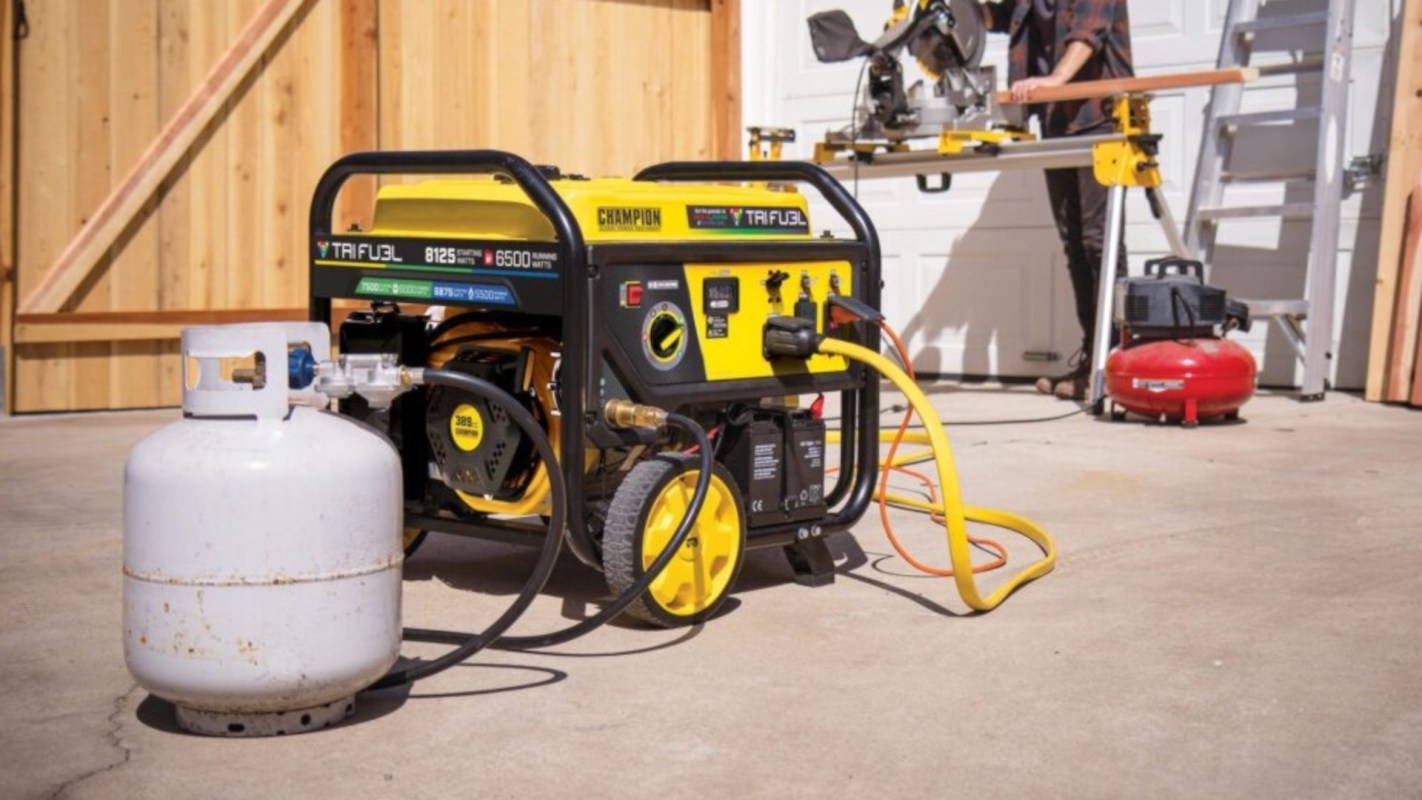
A new homeowner thought they were close to solving their backup-power worries with a single generator purchase. But after asking Reddit whether the unit would work with a 30-amp essentials panel, they got a crash course in something many first-time buyers overlook: Motors need extra power to start.
What's happening?
"Is this a good generator?" the original poster asked alongside a photo of the unit. "I'm new to the generator world and I have a pony panel set up in our home we just moved into."
The OP added: "It has the furnace, sump pump, fridge and a few more things on it and I believe the plug is a 30 amp."
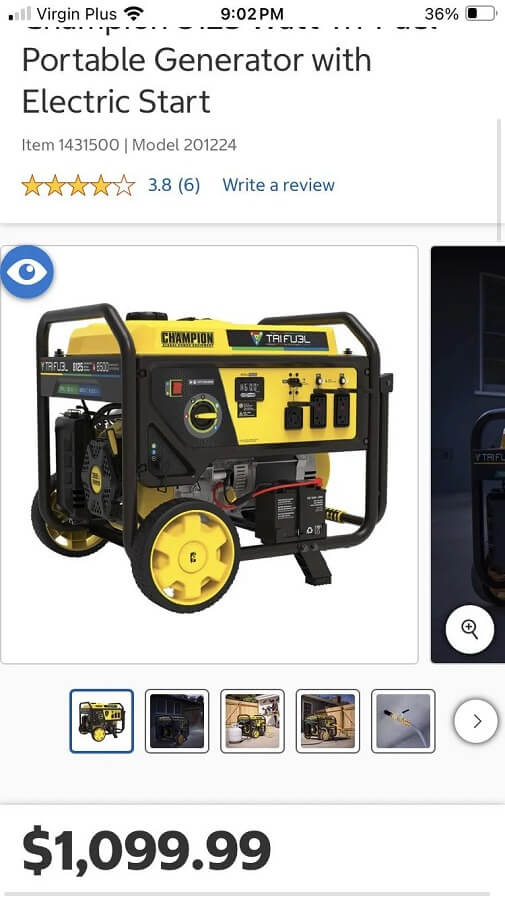
Rather than treating the 30-amp connection as the deciding issue, commenters zeroed in on how much power the connected appliances actually use. Their main point was that the generator would need to handle both normal operation and the brief startup surge from motor-driven equipment like the furnace blower and sump pump.
Another part of the post drew attention as well. "I plan to have a quick connect install for the natural gas hook up," the homeowner wrote. That raised a separate discussion about using natural gas for backup power so gasoline does not have to be stored between outages.
Why does it matter?
This kind of decision can save — or waste — a lot of money.
TCD Picks » Quince Spotlight
💡These best-sellers from Quince deliver affordable, sustainable luxury for all




A homeowner who already has a 30-amp essentials panel may not need to pay for a much larger generator.
However, buying a generator that is too small can be costly in a different way. If the unit cannot handle startup surges from the sump pump or furnace, it may trip, stall, or force the homeowner to leave key systems off.
During a storm or winter outage, that could mean a wet basement, spoiled food, or a cold house.
Choosing natural gas for backup power can also cut one recurring hassle: storing gasoline between outages.
At the same time, commenters said a natural-gas quick-connect has tradeoffs that homeowners should consider. One commenter pointed out the generator under consideration produces "74 dB of noise which is pretty loud."
What can I do?
If you're evaluating a generator for an essentials panel, start by listing the running wattage and startup wattage for every load you want to cover — especially anything with a motor, such as a sump pump, refrigerator compressor, or furnace blower.
Confirm the inlet, transfer equipment, and gas hookup with a licensed electrician or installer.
Using an existing essentials panel efficiently, rather than overspending on backup power that might never be needed, can lower costs. Matching the generator to actual critical loads can provide reliable outage protection at a much lower cost.

Get TCD's free newsletters for easy tips, smart advice, and a chance to earn $5,000 toward home upgrades. To see more stories like this one, change your Google preferences here.






