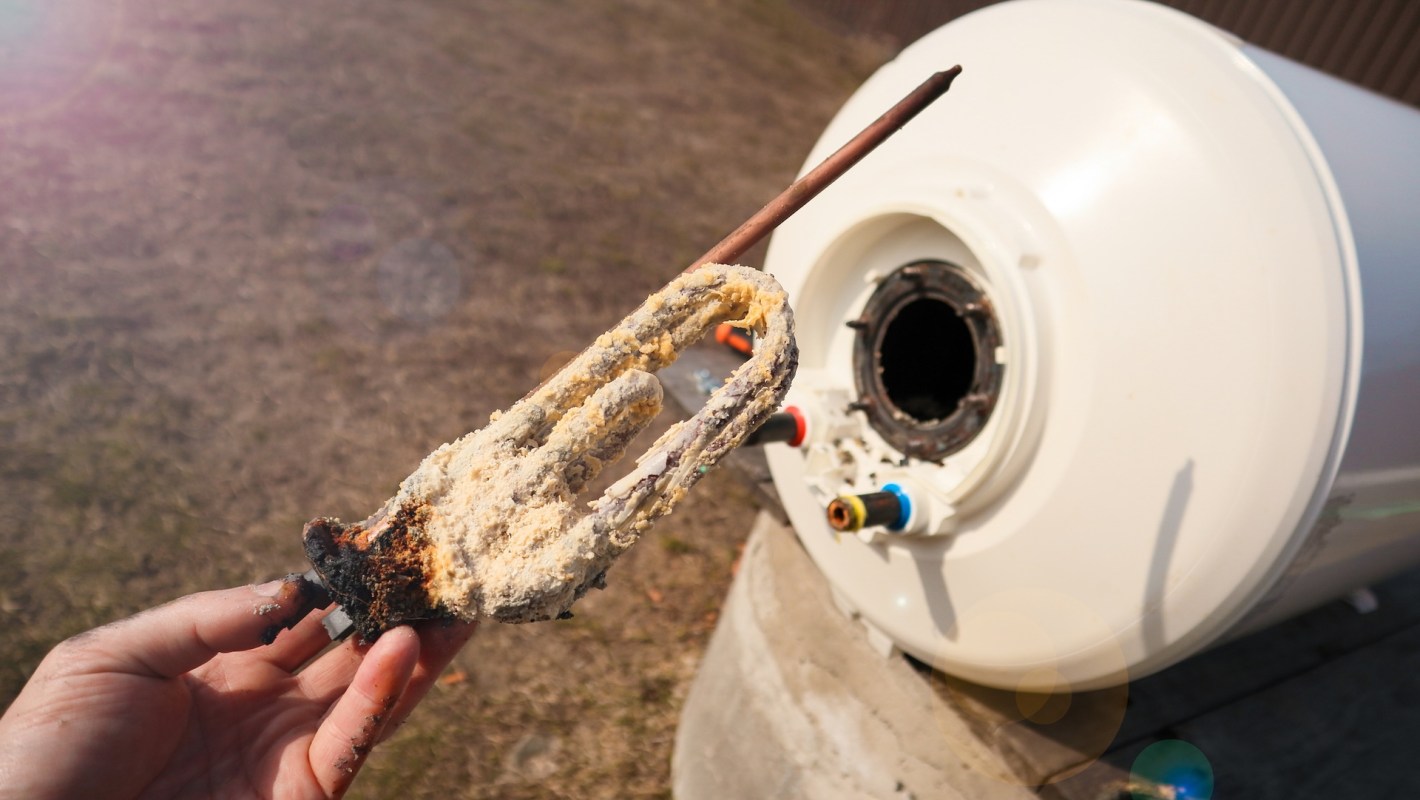
A corroded, 10-year-old gas water heater has one homeowner wondering whether it is finally time to stop repairing and start replacing. The bigger question: If a new unit is coming anyway, is tankless really the smartest long-term move?
For many households, a heat pump water heater may make a stronger financial case.
What's happening?
In a Reddit post, a homeowner said the intake connection on a gas water heater is corroded. The unit is about 10 years old, and the anode rod has never been replaced.
Long-term plans are also a part of their calculation. The homeowner said they expect to stay in the house for at least 15 years, have had the tank flushed annually for the past 6 years, and may need to follow newer code rules that would require the replacement unit to be set about 10 inches above the floor. They also wrote, "We have the cash to just go ahead and do it."
With replacement already seeming likely, the remaining question is less about keeping the current unit going a little longer and more about what should come next. "Should I look into a tankless?" the homeowner asked.
Some users advised the homeowner that it's time to look into a replacement. One Redditor commented, "If it's already got corrosion at the intake and the anode rod hasn't been touched in a decade, that thing is living on borrowed time. You did good keeping it flushed but the rust is coming from inside at this point."
Another user commented that if they install a tankless water heater in their closet, "the install cost jumps a lot. you're looking at venting … gas line upsize … and electrical for the unit." They also added that it's important to consider "if your closet can handle the venting run to an exterior wall reasonably."
At that point, the choice may go beyond a standard tank-versus-tankless comparison. Heat pump water heaters are increasingly part of the conversation because they can lower operating costs while avoiding on-site gas combustion.
Save $10,000 on solar panels without even sharing your phone number Want to go solar but not sure who to trust? EnergySage has your back with free and transparent quotes from fully vetted providers in your area. To get started, just answer a few questions about your home — no phone number required. Within a day or two, EnergySage will email you the best options for your needs, and their expert advisers can help you compare quotes and pick a winner. Solar panels can save you more than $50k over their 25-year lifespan, and EnergySage can help you save as much as $10k on installation. Which begs the question — isn't that worth an email or two? |

Why does it matter?
Water heating is one of the largest energy expenses in many homes, so a replacement decision can shape utility bills for years. For households planning to stay put, efficiency may matter more than simply choosing the cheapest installation option.
A tankless gas system may be appealing because it saves space and provides extended access to hot water, but it still keeps the home tied to gas. A heat pump water heater, by contrast, uses electricity much more efficiently by moving heat rather than generating it directly.
Newer options are also making these systems more flexible. Cala's customizable smart heat pump water heaters help homeowners decrease their energy bills by heating water exactly when it's needed. That kind of targeted control can be especially useful for families with changing routines or utility plans that charge more during peak hours.
That can mean lower utility bills and less planet-warming pollution, particularly as the electric grid gets cleaner. It can also reduce household exposure to combustion-related pollution by removing another gas-burning appliance.
In a case like this, the unit's age and visible corrosion also matter. Once a tank begins showing signs of wear around key connections, many homeowners decide it makes more sense to replace it on their own timeline rather than wait for a leak or failure — one renter even discovered mold from a leaking water heater after experiencing a drop in hot water.
What can I do?
Getting quotes for more than one option, including a standard tank, a tankless model, and a heat pump system, can help clarify the decision. Homeowners can also ask contractors about code updates, available space, ventilation, condensate drainage, and whether electrical upgrades would be required.
Financial help may also be available.
For shoppers planning to stay in their homes for years, Cala can be a great long-term investment, as switching to a Cala smart heat pump water heater can save you $4,000 to $8,000 over 10 years, depending on your state, and also unlock opportunities for state rebate programs.
The installation process is simple, with either Cala's professional and experienced contractors or if you already have a plumber you trust, Cala can work with them for a smooth installation.
Unlike conventional models that repeatedly heat water whether you need it or not, Cala's approach is designed to be more responsive. Homeowners who want to explore that option further can learn more from Cala while comparing efficiency upgrades.

Get TCD's free newsletters for easy tips, smart advice, and a chance to earn $5,000 toward home upgrades. To see more stories like this one, change your Google preferences here.