


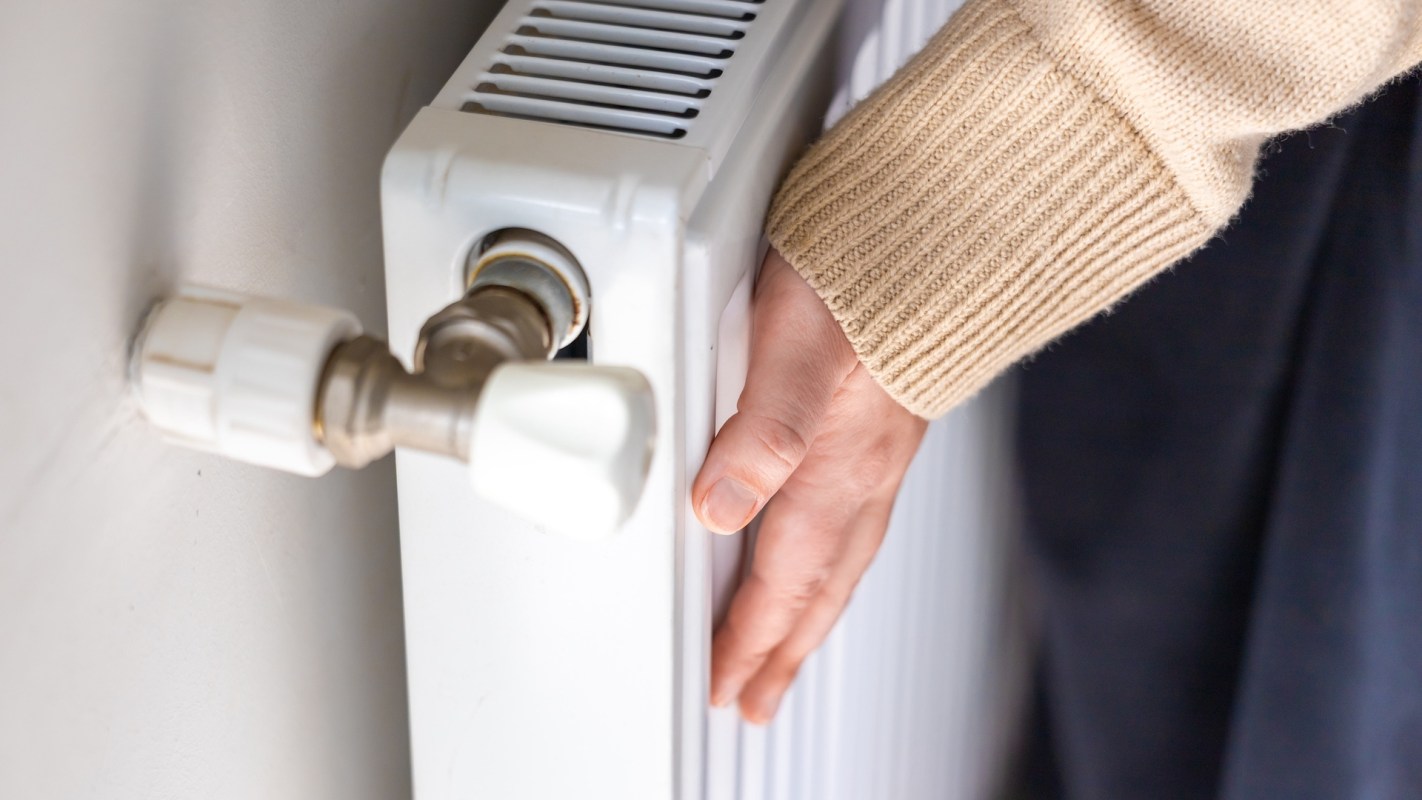
U.K. homeowners with gas heat may think a power cut would leave them without lights but not without warmth. A Reddit thread, however, showed some boilers need electricity to fire up and move hot water through the house.
Here's what to know
In the discussion on r/preppers, the homeowner said they lived in a modern house with gas radiators and no wood burner. They asked how they would stay warm if the grid went down.
"The natural gas fuel should continue flowing, at least for a while, but you would likely need a backup power supply," one commenter explained. Another wrote, "Basically you need power to run the device and pump it around."
More background
Gas-fired heating is not necessarily grid-independent. In many homes, boilers use electricity for ignition and for the pump that circulates hot water, which means a blackout can take out both heating and hot water even if gas service is still available.
That helps explain why several users said it would be best to focus on warming a part of the house. If backup power is limited, trying to heat every room can be inefficient and expensive.
Suggestions included both equipment and basic cold-weather supplies. "Buddy heaters has one that can be used inside that runs off propane," one commenter wrote. They and others mentioned thermal clothing, hand warmers, sleeping bags, and tents. These low-tech solutions can reduce the need for electricity or fuel, making preparedness affordable and practical.
What can be done?
If you use a gas boiler, find out whether the ignition system and circulation pump depend on power, then see whether a backup battery or inverter setup could keep them running.
If backing up the whole system is not realistic, the discussion pointed toward more targeted ways to conserve energy. Ideas included staying in a certain part of the home, creating a small space with blankets or a tent, and dressing in layers.
Save $10,000 on solar panels without even sharing your phone number Want to go solar but not sure who to trust? EnergySage has your back with free and transparent quotes from fully vetted providers in your area. To get started, just answer a few questions about your home — no phone number required. Within a day or two, EnergySage will email you the best options for your needs, and their expert advisers can help you compare quotes and pick a winner. Solar panels can save you more than $50k over their 25-year lifespan, and EnergySage can help you save as much as $10k on installation. Which begs the question — isn't that worth an email or two? |

Where can I learn more?
A lot of this comes down to making the most of whatever heat you can keep. These articles cover practical ways homeowners are holding onto warmth, heating small areas, and cutting down on wasted energy during cold weather.
• HVAC experts said putting aluminum foil behind radiators can improve indoor heating efficiency.
• In winter, a ceiling fan trick can push rising warmth back down.
• Budget-minded homeowners used room dividers to keep small spaces warm.
Preparedness means getting more out of the heat you already have.

Get TCD's free newsletters for easy tips, smart advice, and a chance to earn $5,000 toward home upgrades. To see more stories like this one, change your Google preferences here.






