


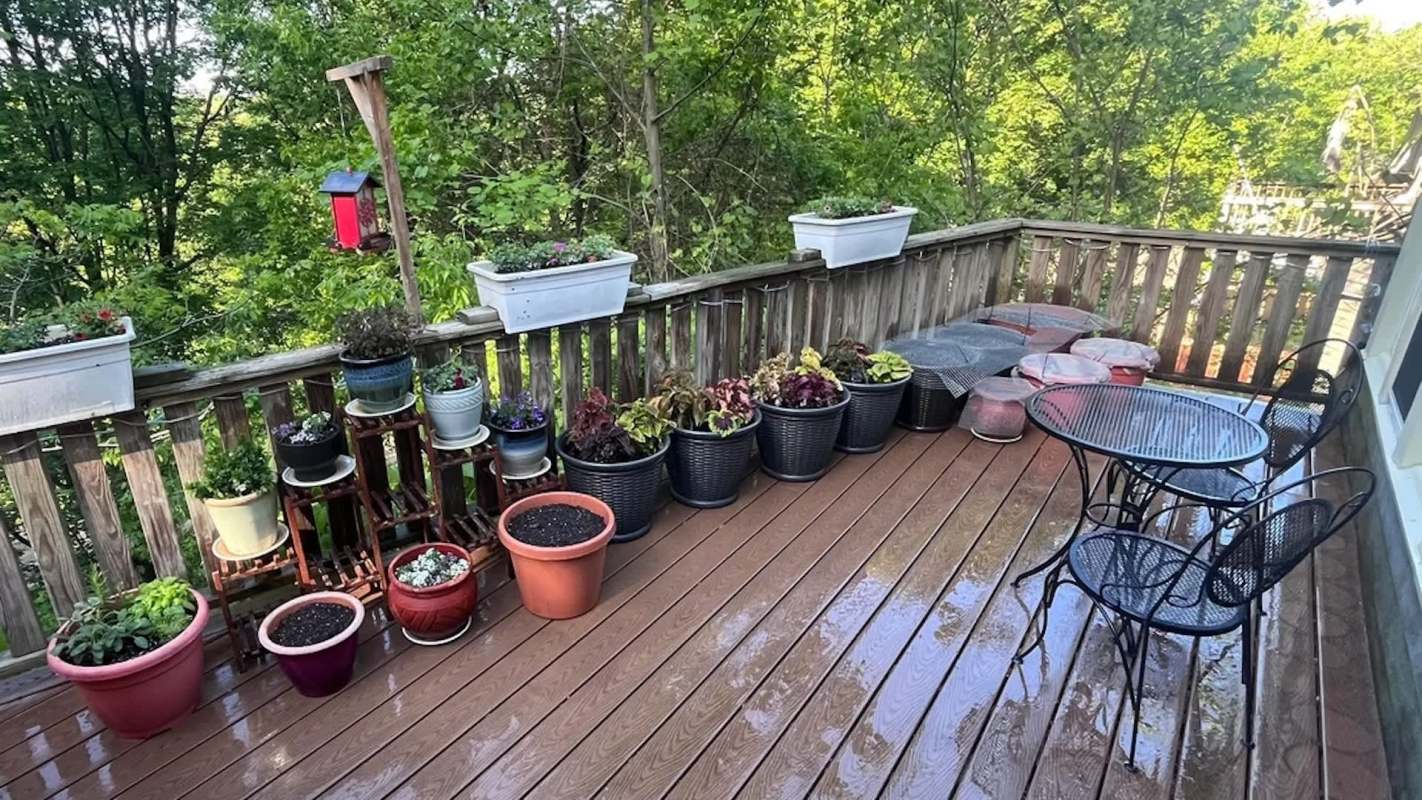
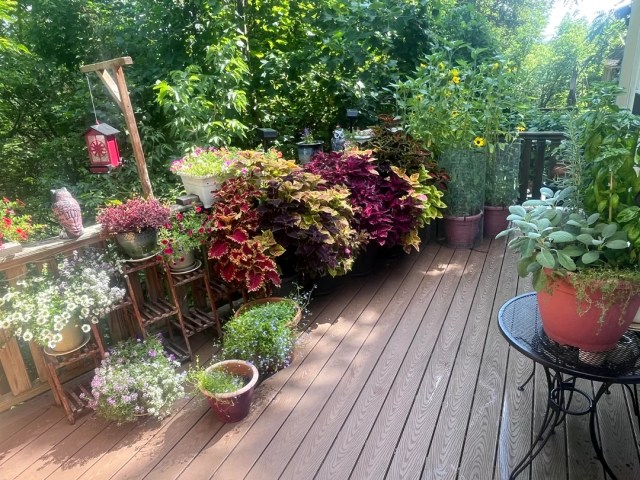
A gardener in Syracuse, New York, is giving fellow plant lovers satisfying evidence that persistence can pay off, sharing before-and-after photos from May 25 and August 8 of their gardening efforts.
The side-by-side images show a once-sparse space turning into a lush, colorful garden despite a season filled with wildlife chaos.
What happened?
The transformation was shared to Reddit's r/Gardening forum, where the Syracuse gardener posted the space's progress over a few months after dealing with serious challenges.
The original poster summed up the season this way, writing, "It's been a battle against squirrels, raccoons, a brave woodchuck, and at least one sneaky opossum, but it's been completely worth it."
The first image shows relatively empty porch planters, while the August photo is packed with foliage and flowers. Among the plants drawing praise in the comments, the coleus got particular attention.
The overwhelming response in the comments section was enthusiasm.
TCD Picks » Quince Spotlight
💡These best-sellers from Quince deliver affordable, sustainable luxury for all




One commenter wrote, "Looks incredible! Great work!!"
Another added, "Nature is peace."
A third commenter stated, "Talk about a vision brought to life! I'd love to learn about your process."
Another user echoed this sentiment, requesting that OP, "please teach me your ways!"
Why does it matter?
Setbacks are a normal part of gardening, and they do not necessarily mean failure. A thriving garden does not always come easy, but the payoff can be beauty, confidence, and useful skills that can later carry over into growing food.
Even when you have to deal with curious or hungry wildlife, the process can be fulfilling and result in delicious produce.
If you are dealing with squirrels, raccoons, or other hungry visitors, there are practical steps that can help without turning to harsh chemicals. Physical barriers such as fencing, plant cages, netting, and raised beds can make a big difference, and reducing easy food sources around the yard can discourage repeat visits.
It can also help to choose resilient plants, protect young seedlings first, and build your garden gradually instead of trying to overhaul everything at once.
Growing food at home can also help cut grocery costs, especially when it comes to herbs, greens, tomatoes, and other produce people use often. Many gardeners also say homegrown produce tastes better than store-bought options because it can be picked at peak ripeness instead of being transported long distances.
There are health benefits as well. Gardening can support mental health by reducing stress and creating a calming routine, while also adding light physical activity through digging, planting, watering, and weeding.
Even ornamental gardens can offer daily mood boosts and create outdoor spaces people actually want to spend time in.

Get TCD's free newsletters for easy tips, smart advice, and a chance to earn $5,000 toward home upgrades. To see more stories like this one, change your Google preferences here.







