


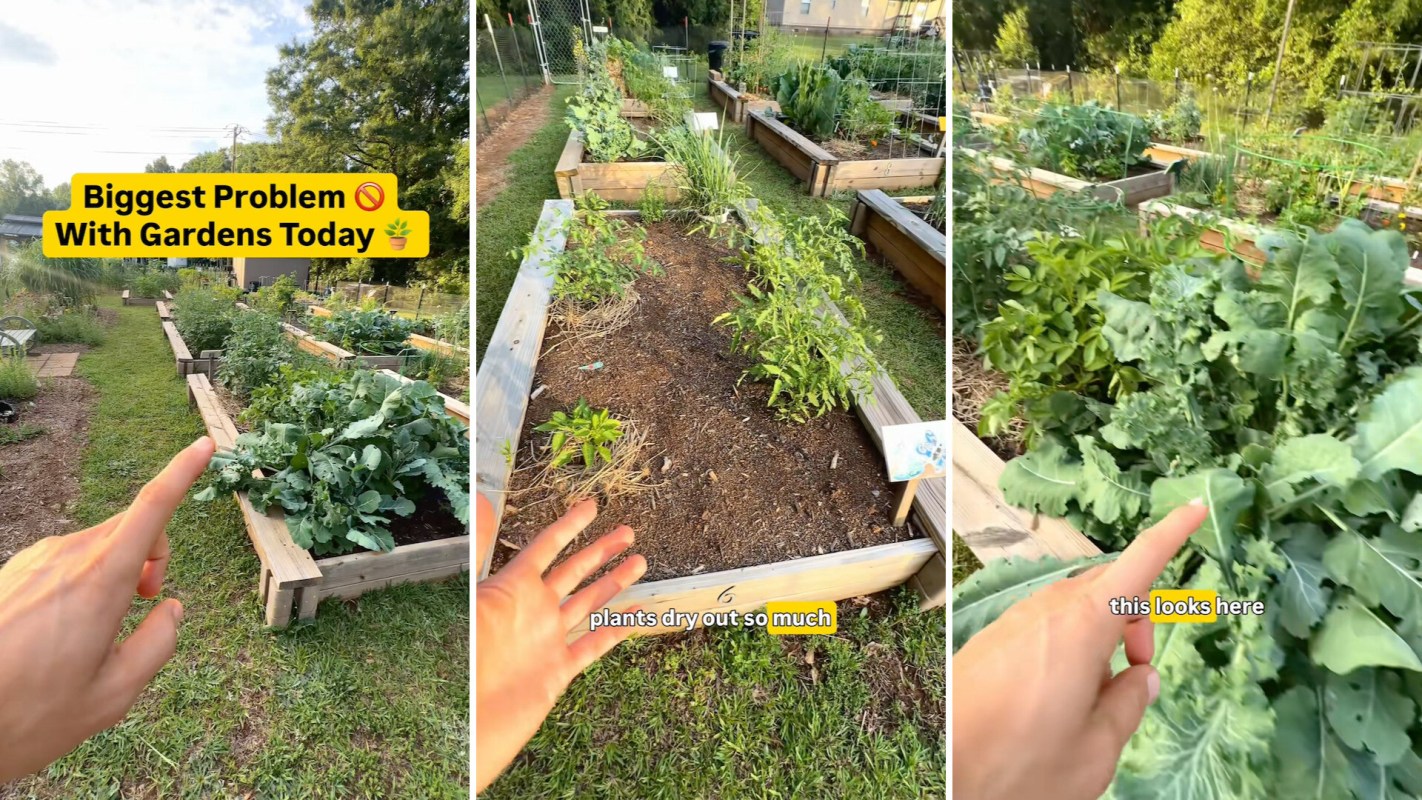
A gardening tip built around two raised beds is resonating with viewers on TikTok. In the comparison, a densely planted, well-shaded bed appears much healthier than a sparser one with visible soil, and the creator says the latter setup lets plants dry out faster.
What's happening?
In a TikTok video, Uncle Josh Gardens (@theplanttechie) said that one of the biggest problems in many home gardens is "way too much bare soil."
@theplanttechie How do you like to plant your garden beds? 👇 One of the biggest problems I see with gardens today is too much bare soil 🌱 When plants are packed closely together with good mulch, everything works together like a healthy ecosystem 🌿 The soil stays cooler, moisture lasts longer, and plants grow so much better 🙌 But when beds are spread out with exposed soil, plants dry out way faster and struggle more 😅 Closely planted gardens don't just look lush… they actually help protect each other from pests and heat too 🐛☀️ Fit as many plants as you can into your space and watch the difference 👏 #gardening #vegetablegarden #gardenlife #learnontiktok #tiktoklearningcampaign ♬ original sound - Uncle Josh Gardens
To make the point, Josh highlighted one bed wherein mulch and tightly grouped plants create what he described as an ecosystem. He contrasted this with more thinly planted beds, saying that exposed soil and limited mulch can cause moisture to disappear faster, leaving plants struggling in high heat.
"They just leave way too much bare soil, and those plants dry out so much quicker," he said, adding that planting tightly can create shade and handle pests and heat while mulch keeps the soil cool and protected.
Commenters largely agreed. "What I've learned about plants so far is that there's no such thing as too many plants. The more plants you have, the better they do," one wrote. Another added, "Anywhere I see an empty spot, something goes in, even if it's just a 'trap crop' or a simple marigold."
Why does it matter?
Healthy, shaded gardens may require less water and maintenance than other plots, especially during periods of intense heat. Filling beds more thoughtfully — while still giving plants enough room to grow — can also suppress weeds and protect soil life.
TCD Picks » Quince Spotlight
💡These best-sellers from Quince deliver affordable, sustainable luxury for all




Replacing some or all of a traditional lawn with low-maintenance options such as native plants, clover, buffalo grass, or xeriscaping can also reduce water use and yard work. Even a partial lawn replacement can save money, reduce mowing time, and lower water bills while creating a yard better suited to local conditions.
What can I do?
If your garden beds have patches of exposed soil, add mulch and plant compatible plants, flowers, or herbs to fill the open areas. Planting in those gaps can shade the soil, help it retain moisture, and create a more balanced mini-ecosystem.
Gardeners can also think in layers. Taller crops can offer shelter to shorter ones, while ground-cover plants can reduce evaporation. If a bed still has gaps, some growers use companion plants or sacrificial trap crops rather than leave the soil bare.
Native plant lawns and other grass replacements can cut upkeep, reduce water use, and support pollinators without requiring a total backyard overhaul.
The creator's advice was similarly direct: "Put as many plants as you can possibly fit in your garden."

Get TCD's free newsletters for easy tips, smart advice, and a chance to earn $5,000 toward home upgrades. To see more stories like this one, change your Google preferences here.






