


For gardeners in colder regions, August does not have to signal the end of the growing season. In fact, it can be one of the smartest times to sow quick crops for a fall harvest, even in places where snow can arrive in October.
Gardeners who still have warm ground to work with can pick fast-finishing crops, and those who are willing to use basic frost protection may have more planting time left than they think.
What's happening?
In a YouTube video, soil scientist and gardener Ashley (@GardeningInCanada) said the key for short-season growers is to match local frost timing with the "days to harvest" listed for each crop.
To show how that works, Ashley pointed to Saskatoon, Saskatchewan, where a September 12 first frost can still mean roughly 40 days of unprotected growing time. Adding a low tunnel or frost blanket can push that window farther, opening the door to crops that finish in about 40 to 55 days.
By that math, quick greens and root vegetables are still realistic options. Longer crops — including tomatoes, peppers, watermelon, eggplant, and full-season corn — were described as poor choices unless a gardener has a heated greenhouse and supplemental lighting.
Ashley also outlined which crops can better handle cold. Bok choy, cilantro, radishes, beets, carrots, Swiss chard, and lettuce can tolerate light freezes, while spinach and kale can take even lower temperatures.
TCD Picks » Quince Spotlight
💡These best-sellers from Quince deliver affordable, sustainable luxury for all




"Actually, planting in August is incredibly beneficial," she emphasized.
Why does it matter?
Expanding the growing season in cold-winter climates can mean saving money while enjoying garden-fresh produce. Fast-growing greens and roots can replace some store-bought produce, and homegrown vegetables can be harvested at peak freshness instead of being shipped long distances.
Gardening can also support well-being in ways that go beyond the plate. Time spent outdoors, gentle physical activity, and the routine of tending plants are all associated with better mental and physical health for many people.
As the video highlighted, late-summer planting can work in gardeners' favor, as soil has already been heated by months of sun, and some pests and diseases are less intense later in the season. For some gardeners, that can make a fall crop feel easier to manage than a spring one.
Empty late-summer planting beds do not have to stay empty. With the right crop choices, cold-climate gardeners can keep producing food well past the point when many people assume the season is over.
What can I do?
First, find the average first frost date for your exact town or city instead of depending mainly on a hardiness zone. From there, check your seed packets and compare that date with the listed "days to harvest." Ashley said crops that finish within about 15 days after first frost are usually the easier choice if you plan to protect them with cover.
Even simple protection can help stretch the season. Lightweight row cover may lift nighttime temperatures by about 3.6 to 7.2 degrees Fahrenheit (2 to 4 degrees Celsius), while frost blankets and poly tunnels can offer even greater insulation.
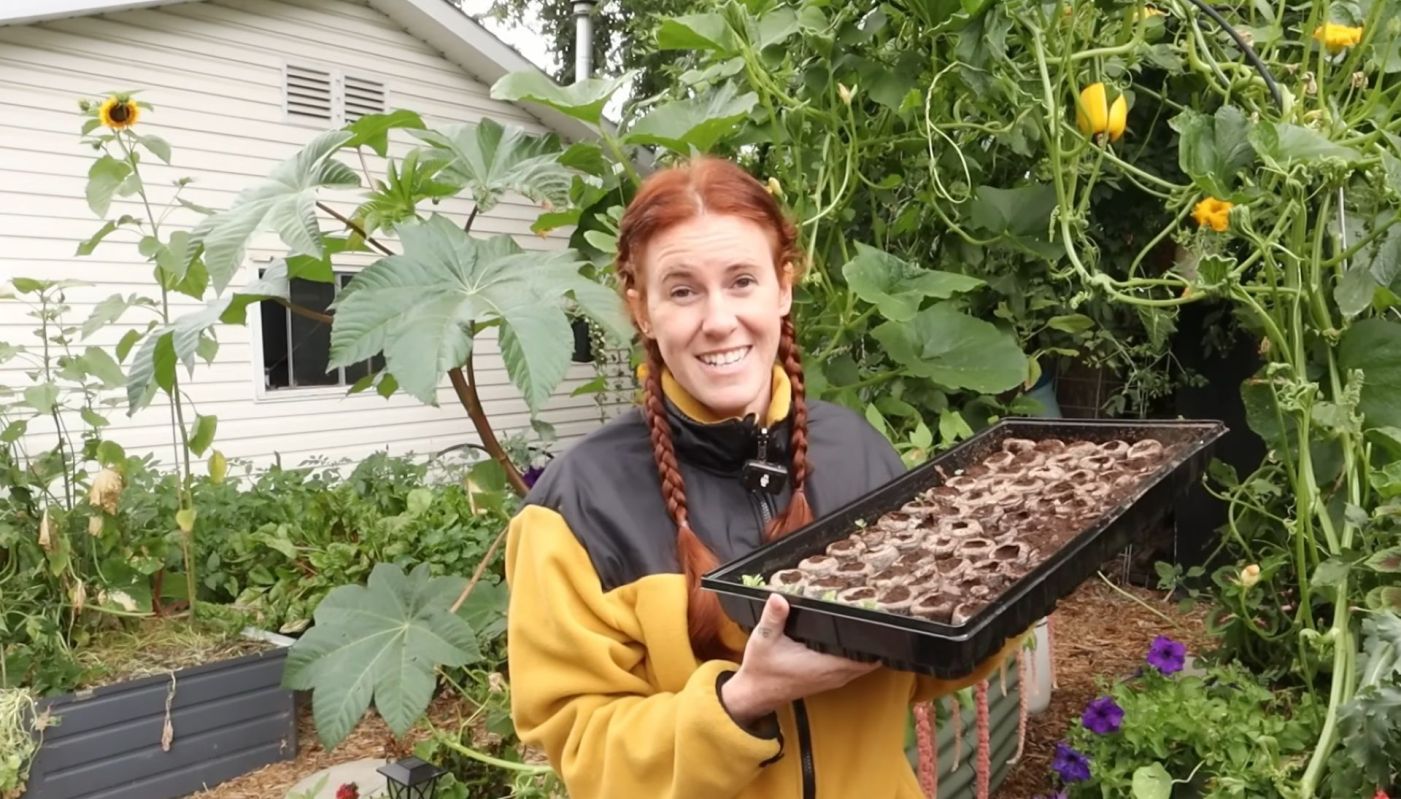
Ashley also recommended sowing in cell trays when conditions are unpredictable. That approach was presented as a way to avoid seed rot during chilly weather and to better manage germination before moving seedlings into the garden.

Get TCD's free newsletters for easy tips, smart advice, and a chance to earn $5,000 toward home upgrades. To see more stories like this one, change your Google preferences here.






