


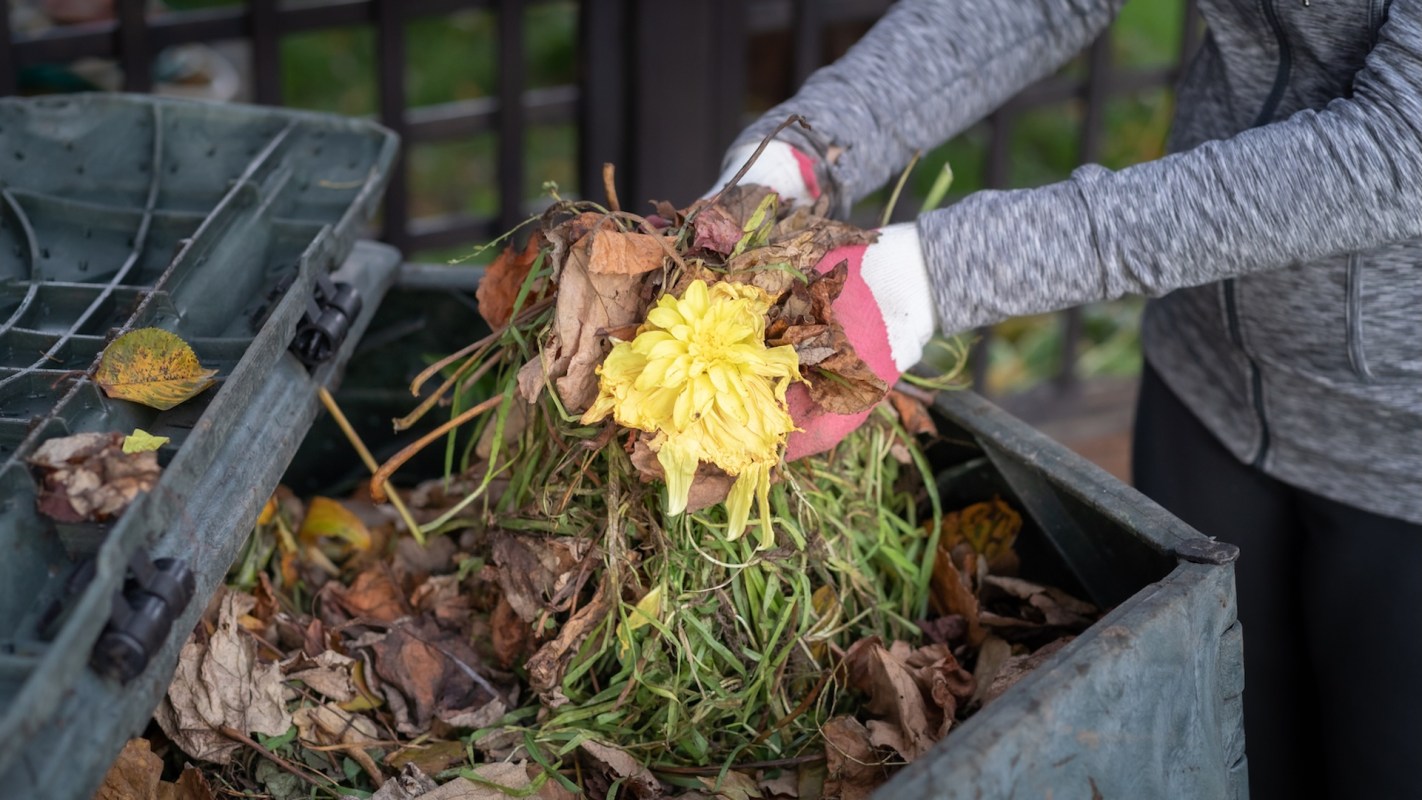
A gardener on TikTok is pushing back on a common composting fear: that tossing weeds into the pile will simply send unwanted plants right back into your yard.
Her advice is straightforward. If you're worried about seeds surviving the composting process, a hot composting method may help reduce that risk by reaching temperatures high enough to kill them off.
Creator @cozycaits_ made a post replying to a comment concerned about whether you can compost weeds due to potential seeds being present.
@cozycaits_ Replying to @💙 Sara Louise 💙 important to note that I don't live somewhere with tons of really really bad invasive weeds like bindweed. the worst we have is morning glory, and blackberry which doesn't typically spread as much by seed. #gardentok #compost #backyardgarden #permaculture #gardenproject ♬ original sound - Caitlin 🧑🌾🌱✨
Whether weeds belong in compost depends largely on the type of composting system you're using. In a slower, more passive setup, weed seeds are more likely to survive.
But in a closely managed hot compost pile, she said the heat can help destroy seeds and other garden problems before the compost is returned to planting beds.
She specifically mentioned the Berkeley method, a fast hot-composting approach that can produce soil in about 18 to 20 days. She said that level of heat is more likely to burn up "weed seeds, diseases, fungi's, etcetera."
TCD Picks » Quince Spotlight
💡These best-sellers from Quince deliver affordable, sustainable luxury for all




The video prompted discussion among home gardeners, drawing likes and comments from people comparing their own ways of dealing with weeds.
In the caption, the creator also included a caveat: Weed pressure can vary significantly depending on where you live, and some aggressive invasive plants may require extra caution.
She noted that she does not live somewhere with "tons of really really bad invasive weeds like bindweed," so take her advice with caution and ensure you understand your local environment.
For people growing food at home, compost is one of the most affordable ways to build healthier soil and cut the need for store-bought fertilizers.
Gardening can help save money on produce, enjoy fresher, better-tasting food, and get added physical activity and stress relief along the way. Even a modest backyard or raised-bed setup can provide herbs, greens, and vegetables.
Understanding the difference between cold and hot composting, and which method is right for your situation, is a valuable skill.
If you want to compost weeds with less risk, it may be worth trying a hot composting method instead of a passive pile. That generally means paying closer attention to the balance of greens and browns, moisture levels, pile size, and turning frequency so the pile heats up enough to break down material quickly.
If that sounds too labor-intensive, another option is to be selective about what you add. Avoid composting highly invasive weeds that spread aggressively in your region, especially if they contain mature seeds or stubborn root systems.
Some gardeners in the comments shared additional workarounds. One person said they soak weeds in a covered bucket of water in the sun over the summer before adding them to the compost, using heat and time to help kill seeds first.
As the creator put it, "it's always been fine." Showing that gardening has many styles, and you have to find the path that works best for your environment and preferences.

Get TCD's free newsletters for easy tips, smart advice, and a chance to earn $5,000 toward home upgrades. To see more stories like this one, change your Google preferences here.






