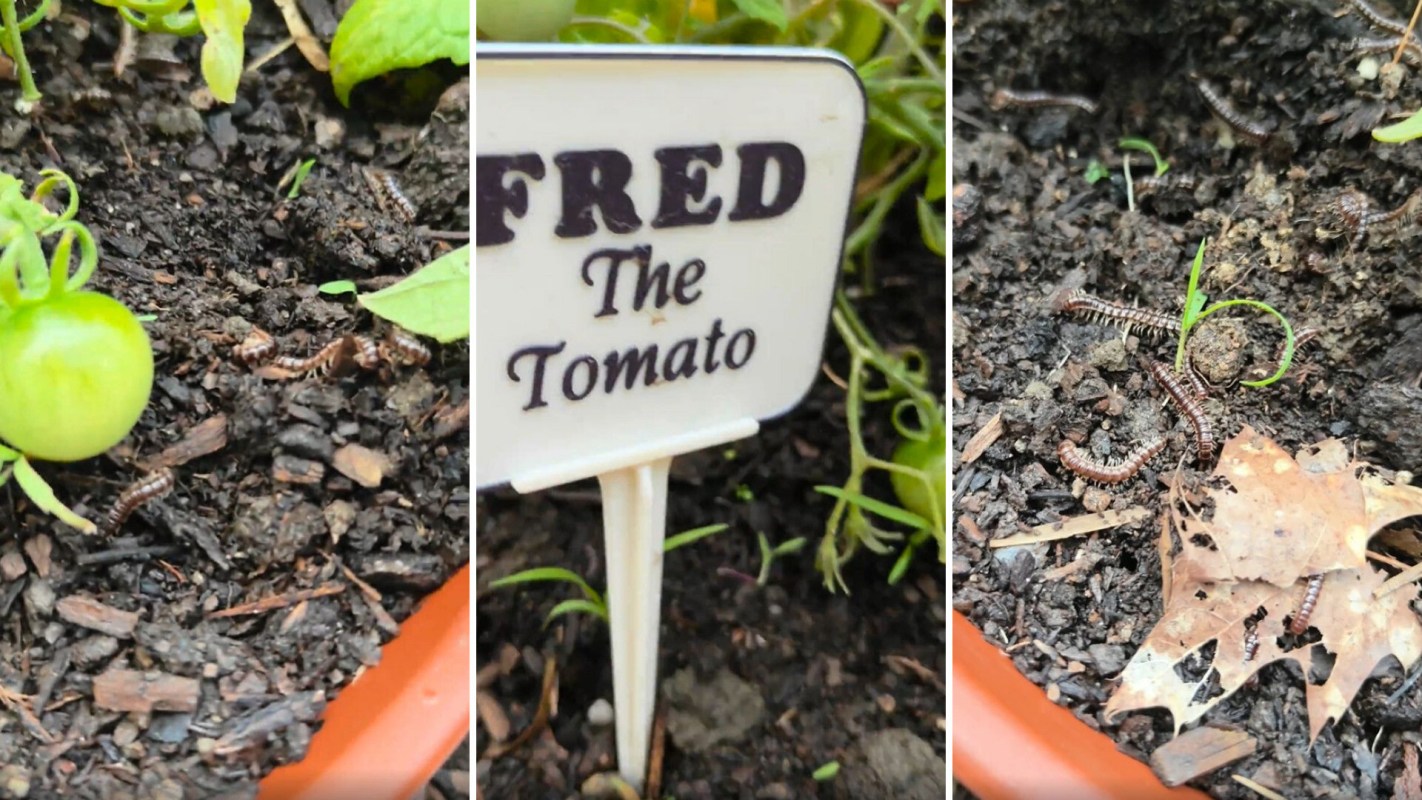
After spotting countless millipedes in their plant nursery, one gardener who feared they had a serious infestation got a different verdict from an online gardening community.
Rather than treating the discovery as a disaster or an infestation, gardeners used it to talk about soil health, compost-rich beds, and the fact that not every many-legged visitor in a vegetable bed is a problem.
What's happening?
In a post on Reddit, the gardener said their tomato plant, named Fred, "was already producing when we got him from the nursery."
They added: "Today after picking tomatoes, I saw all of [the millipedes] and they're just chilling. Then I checked the other beds, and good golly they're in all eight beds!!!"
What followed in the comments section below the story and the images of the insects was less a panic spiral than a case of reassurance.
The other gardeners in the forum linked the millipedes to the decaying material that makes up rich garden soil.
TCD Picks » Quince Spotlight
💡These best-sellers from Quince deliver affordable, sustainable luxury for all




"Millipedes are detritivores; they eat decaying plant matter that's rich in microbes," one commenter wrote. "They like something in your soil, probably leaves or wood chips."
Another summed up the insects' benefit in plainer terms: "Millipedes break down organic matter and dead roots turning into edible food for the plant. Signs of good soil and a happy plant. Don't kill."
"Garden millipedes are generally beneficial," a third person said. "Definitely nothing to worry about. Just means the soil is healthy."
Why does it matter?
Some wildlife in a garden may actually be helping recycle material and support the wider ecosystem.
The discussion also touched on an identification mix-up that comes up often in gardens: millipedes versus centipedes.
As one commenter noted: "These are indeed millipedes, not centipedes. … Centipedes have only one pair of legs per body segment, whereas millipedes have two pairs of legs per body segment."
Beyond the critters themselves, healthy gardens can pay off for everyday people. Growing food at home can lower produce bills; deliver fresher and better-tasting fruits and vegetables; and support mental and physical health by encouraging spending time outdoors, physical activity, and caring for something that feeds you.

Get TCD's free newsletters for easy tips, smart advice, and a chance to earn $5,000 toward home upgrades. To see more stories like this one, change your Google preferences here.