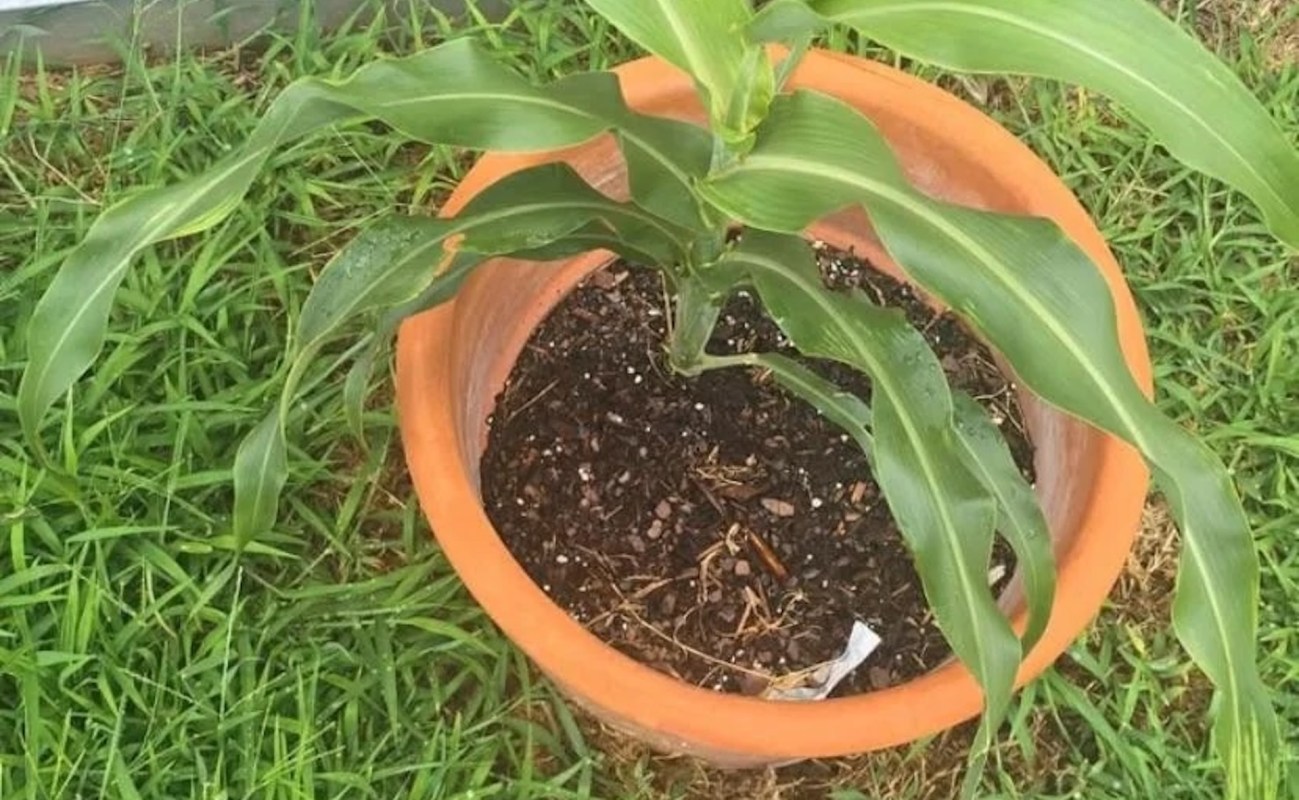
A beginner gardener thought they were growing sage — and ended up with one of the internet's easiest plant IDs instead.
A packet of sage seeds bought at Target appears to have produced corn instead, according to a new gardener who described the mix-up in a post on Reddit.
What happened?
After several plant-identification apps returned different results, the gardener turned to Reddit for a more confident answer.
"I had planted sage seeds [a] few months ago, and got this plant in return???" the original poster wrote. In a later clarification, the gardener said the seeds came from a "Back to the Roots" packet and stressed that they had planted "the tiny specs of sage seed," not corn kernels.
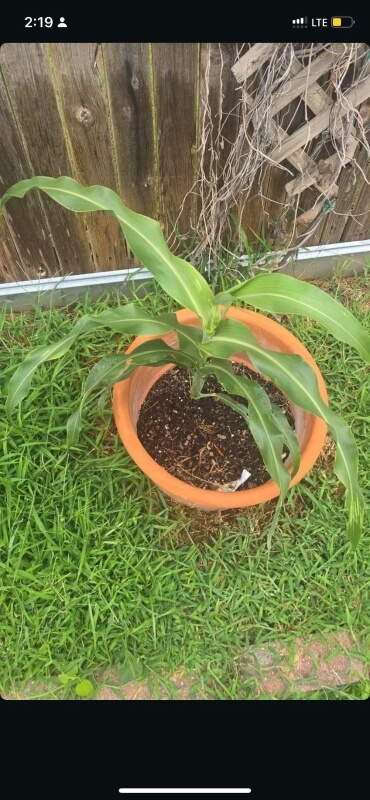
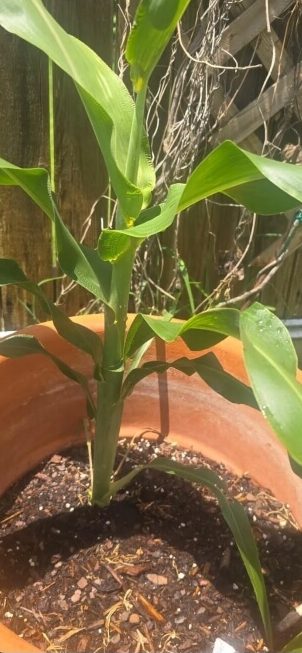
"Babe, that's corn," one commenter wrote.
"It's got the juice!" another added.
TCD Picks » Quince Spotlight
💡These best-sellers from Quince deliver affordable, sustainable luxury for all




If the packet really contained the wrong seed, a beginner lost months of growing time and ended up with a totally different plant than expected.
Why does it matter?
Mistakes such as this can be discouraging, especially if they may not be your fault.
A mislabeled or contaminated seed packet can throw off planting plans, care routines, and harvest expectations, whether someone is trying to grow herbs on a patio or vegetables in a backyard bed.
Shoppers place trust in mass-market seed products. When someone buys sage, they expect sage, not a tall summer crop that needs very different spacing, sunlight, and care.
More people are experimenting with edible gardens and lower-maintenance landscaping instead of sticking with traditional grass lawns. That can save money and add resilience at home, but reliable seeds and accurate plant information matter, especially for beginners.
For homeowners rethinking their yards, alternatives such as native plants, clover, buffalo grass, and xeriscaping can reduce mowing, lower water bills, and cut back on fertilizer and maintenance costs. Even a partial lawn replacement can offer those benefits while creating a more useful, less resource-hungry outdoor space.
What can I do?
If you suspect you got the wrong seeds, save the packet, receipt, and photos of the plant at different stages. That can make it easier to contact the retailer or seed company and explain what happened. Local cooperative extension offices, Master Gardener programs, and experienced gardening groups can also help confirm an ID faster than an app alone.
If you decide to keep growing the surprise corn, the basics are fairly straightforward: Give it full sun, plant it in a block rather than a single row for better pollination, and keep the soil consistently watered.
Corn is usually much happier with plenty of room and warm weather than an herb such as sage would be.

Get TCD's free newsletters for easy tips, smart advice, and a chance to earn $5,000 toward home upgrades. To see more stories like this one, change your Google preferences here.