


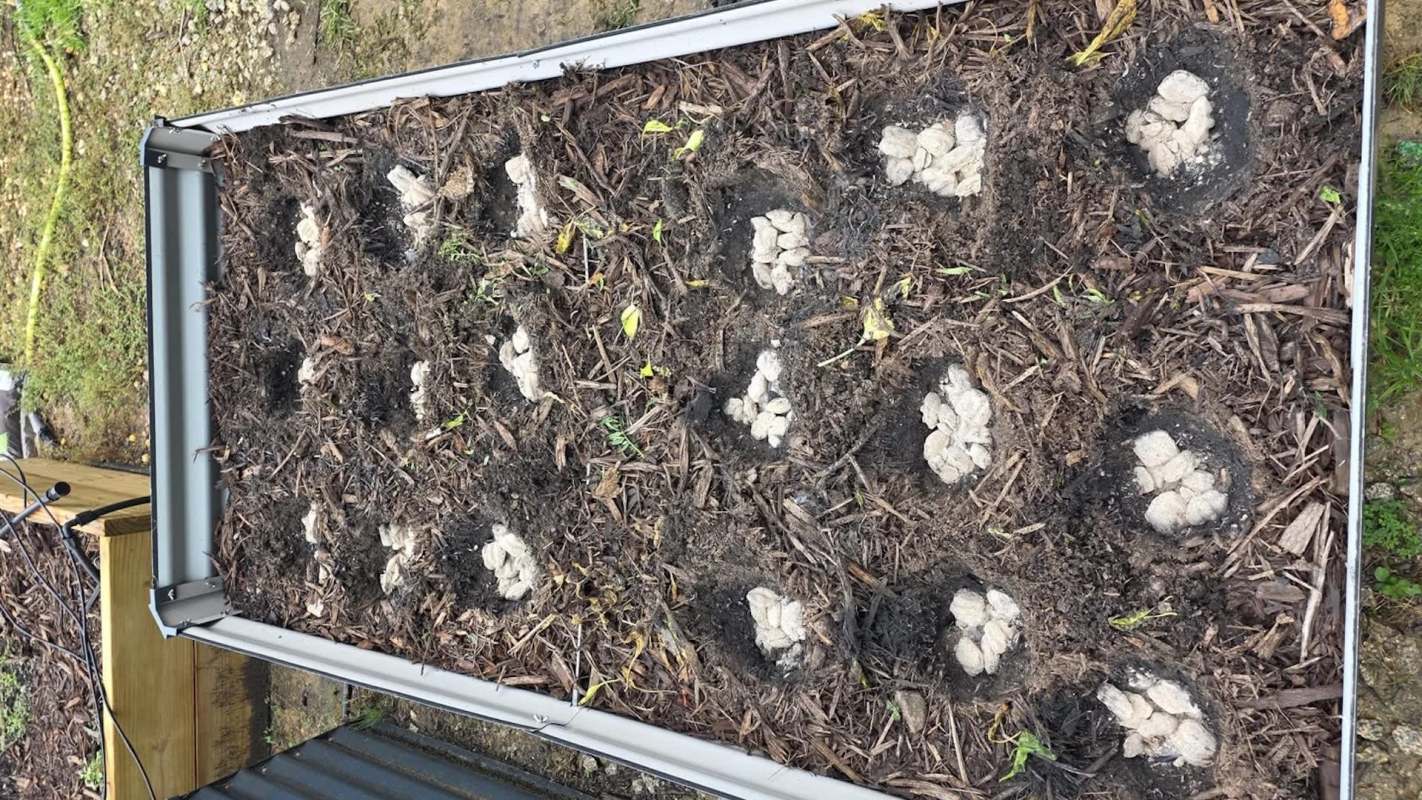
One gardener's fight with root-knot nematodes in their raised beds escalated into a literal fiery battle — with contaminated soil removed, charcoal fires lit inside planting holes, and more treatments still on the schedule — all aimed at wiping the pests out.
What happened?
Rather than relying on a single fix, a home gardener used fire as part of a broader strategy against root-knot nematodes — tiny soil pests that attack roots and can severely damage vegetable crops.
In a recent Reddit post, they described digging out soil around each affected plant, sanitizing the drip lines with hydrogen peroxide, and then filling those spaces with hardwood lump charcoal so the surrounding soil would heat up as it burned.
The Redditor shared a photo of the aftermath.
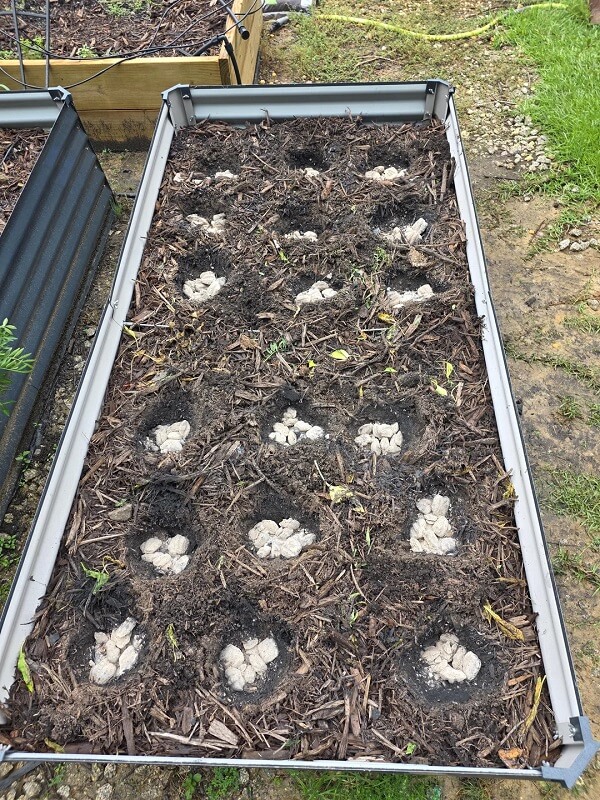
To find out whether that first round works, the gardener said they would spray hydrogen peroxide between the burned holes and then test the bed with determinate tomatoes for a fall harvest. If those plants also end up infested, the next step would be a French marigold cover crop followed by solarization the next season.
The gardener summed up the goal bluntly: "I'm going for full eradication."
TCD Picks » Quince Spotlight
💡These best-sellers from Quince deliver affordable, sustainable luxury for all




Not everyone in the thread was convinced.
One commenter wrote, "This seems like waaay overkill to me," while another argued, "Just solarize."
Why does it matter?
For many people, a productive home garden is about more than a hobby. Growing food at home can help households save money on produce, enjoy fresher and better-tasting fruits and vegetables, and get physical activity and stress relief in the process.
When a pest problem threatens that, it can feel especially frustrating after months of work.
Root-knot nematodes are particularly difficult because they attack underground, often becoming obvious only after plants are already struggling. The original poster described them as "permanent and pretty difficult to get rid of" and said, "Removing rkn to me is way more important than temporary soil health."
Still, commenters raised concerns about unintended consequences. One warned, "lifeless dirt isn't really a good thing. Those microbes are pretty important to soil (and plant) health."
The exchange reflects a common gardening problem: how to respond to serious pest pressure without creating new problems in the soil needed for future harvests.
What can I do?
If pests are taking over your garden, experts and experienced growers often recommend starting with less extreme methods before attempting full soil sterilization. In this thread, several commenters advocated solarization — covering soil so summer heat builds up and suppresses pests — as a simpler first step.
Cover crops may also help. The original poster noted that "French marigolds have been shown to deter/reduce rkn populations," and another commenter suggested mustard greens as another option.
For gardeners hoping to protect harvests while avoiding harsher treatments, The Cool Down's guide to controlling pests without chemicals offers practical strategies. Building healthy soil over time, rotating crops, and monitoring problems early can all make a difference.
For this gardener, however, the mission remains clear: "My goal was to nuke the soil and then rebuild."
As one skeptical commenter put it, "Have fun with this. It's a lot of effort to largely not solve the problem."

Get TCD's free newsletters for easy tips, smart advice, and a chance to earn $5,000 toward home upgrades. To see more stories like this one, change your Google preferences here.






