


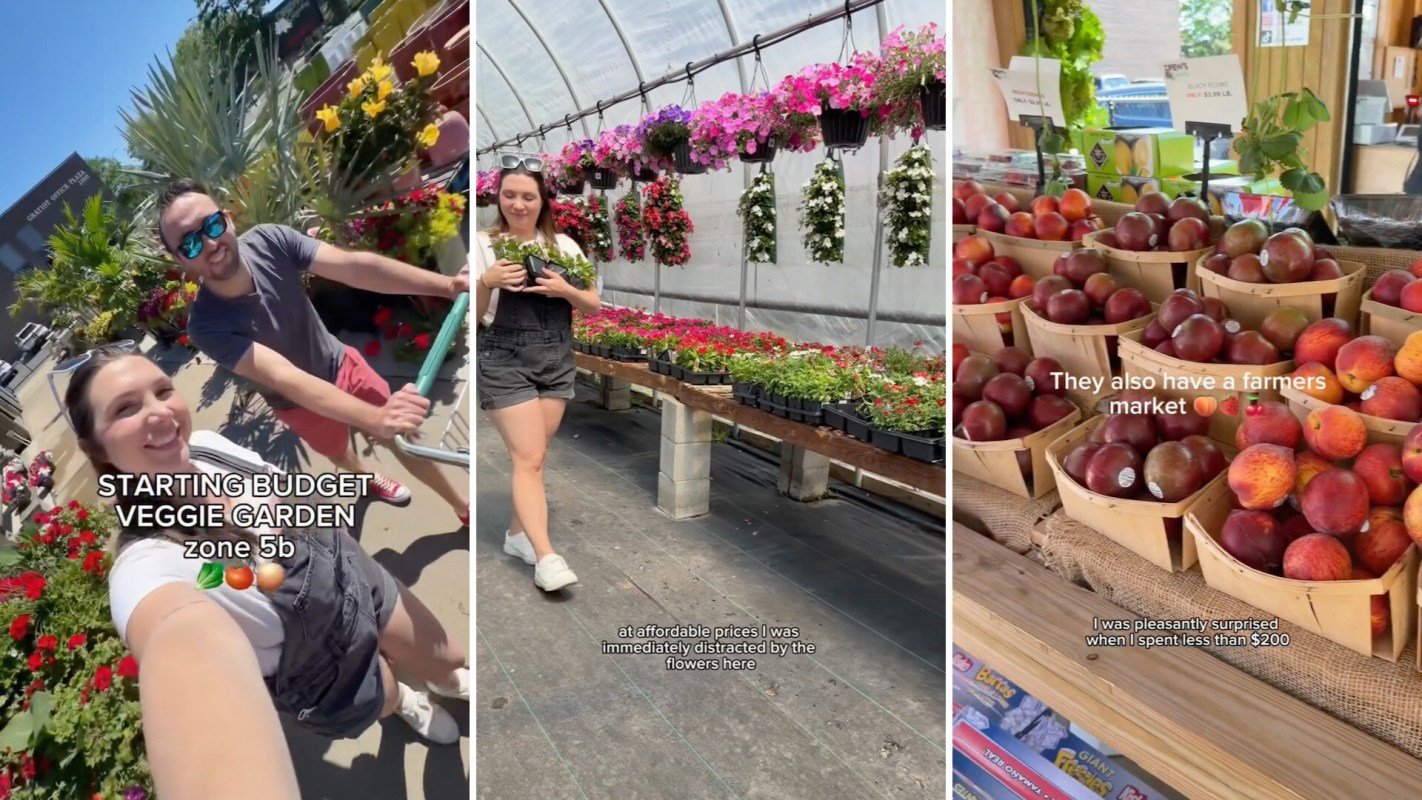
Starting a vegetable garden can sound expensive, especially after a move. But one creator showed that filling a new space with vegetable starts and flowers does not have to blow the budget.
In a recent Instagram Reel, Sabrina Pare (@sabrinaa_pare) documented how she turned a bare garden at her new home into a colorful, food-growing space for less than $200.
Pare, a sustainable living creator in Metro Detroit who gardens in Zone 5b, shared the budget-friendly setup in a recent Instagram Reel.
The video follows her from an empty plot to a full planting day with flowers, vegetables, and companion plants.
She said she visited Drew's Garden in East Point, Michigan, after hearing the local garden center had "a ton of different stuff at affordable prices."
She said the move made this season too hectic to start from seed, so she bought starter plants instead.
TCD Picks » Quince Spotlight
💡These best-sellers from Quince deliver affordable, sustainable luxury for all




She recommended planting basil near tomatoes for pest control and for use in the kitchen. She also suggested marigolds to discourage bugs and attract pollinators.
By the end of the trip, Pare said she was "pleasantly surprised" to spend less than $200.
Gardening can help cut grocery costs. A few tomato, lettuce, herb, and flower starts can yield weeks or months of harvests, especially in summer, helping families save money on produce that often costs more at the store.
Homegrown food also tends to taste better because it can be picked at peak ripeness rather than shipped long distances.
Fresh basil, tomatoes, and lettuce from a backyard bed can offer better flavor while reducing packaging waste at the same time.
Gardening also gets people outside, encourages light physical activity, and can support mental health by reducing stress and creating a calming routine. Even a modest garden can make a yard feel more inviting, colorful, and useful.
Buying starter plants can also be an easy way to lower the barrier to entry. Seeds are inexpensive, but transplants can save time, reduce guesswork, and improve the odds of success for beginners.
Companion planting is another simple strategy. Pairing basil with tomatoes and planting marigolds around vegetables may help reduce pest pressure naturally while bringing more pollinators into the garden.
Starting small can also keep costs down. A few containers, one raised bed, or a compact backyard plot can still produce herbs, greens, and summer vegetables.

Get TCD's free newsletters for easy tips, smart advice, and a chance to earn $5,000 toward home upgrades. To see more stories like this one, change your Google preferences here.






