


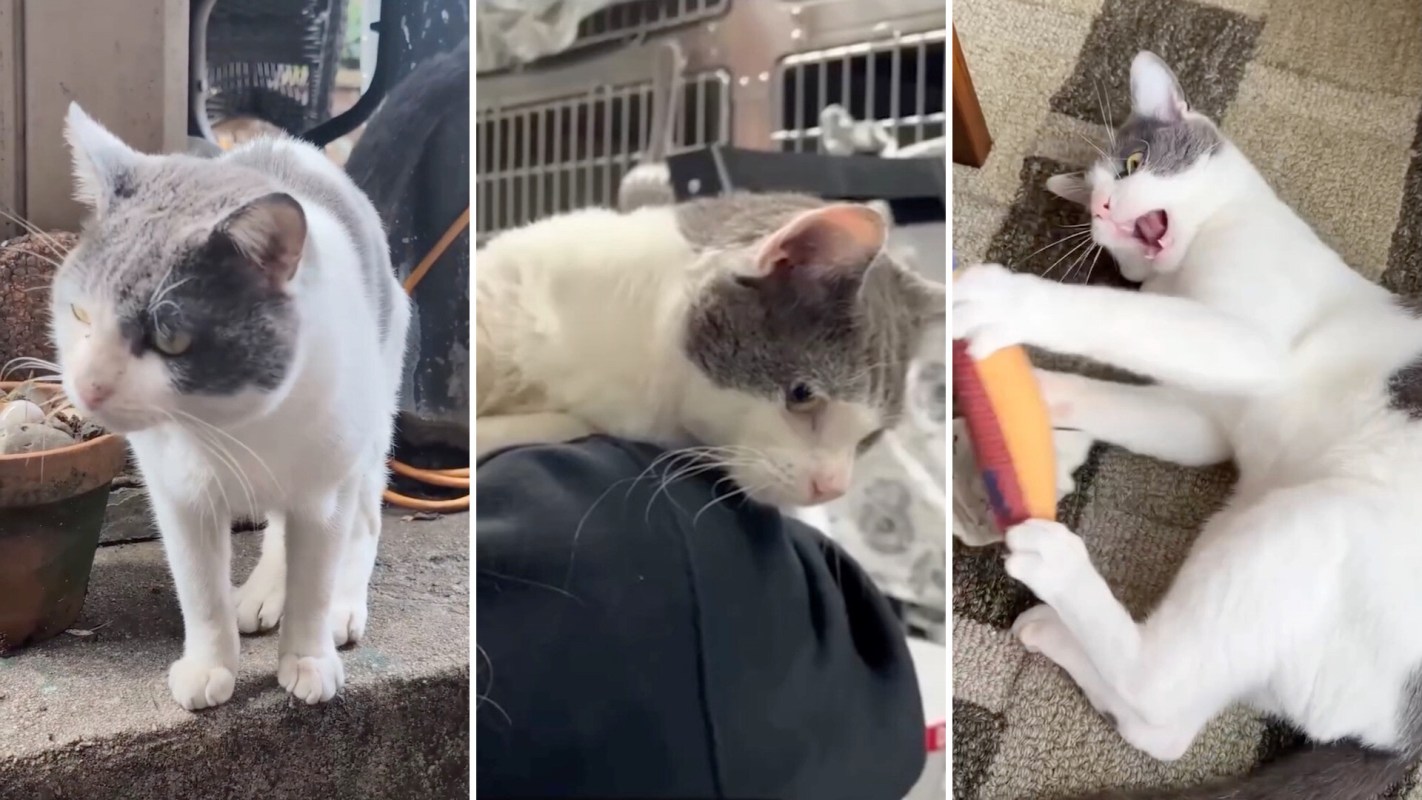
A friendly cat in rough shape wandered into a managed colony in New York and ended up getting a safer place to land. Instead of remaining outside, he was brought in, checked over, and started on a path toward recovery in foster care.
Here's what to know
The rescue first worked to determine whether the cat belonged to someone, bringing him indoors, scanning for a microchip, and asking around the neighborhood. In an Instagram update, Flatbush Cats shared, "This guy showed up to a managed colony looking a little worse for wear, and with the tiniest little meow."
After nobody recognized him, the group named him Tarazed. He then got the care he needed before being placed in "a soft foster home, where he's settling in beautifully."
More background
Managed cat colonies are typically monitored by caregivers who keep a close eye on outdoor cats and can usually tell when something seems off. A cat showing up in poor condition while also acting friendly may need medical help, reunion efforts, or a path into indoor care.
Flatbush Cats explained, "When a friendly cat shows up outside, bringing them in gives us the chance to find out what they need and make sure they have somewhere safe to land."
Not every cat seen outside should automatically be assumed to belong there. Some may be lost, abandoned, injured, or otherwise vulnerable, and a calm, social demeanor can be an important clue.
TCD Picks » Quince Spotlight
💡These best-sellers from Quince deliver affordable, sustainable luxury for all




Foster care is especially valuable in these situations because it gives cats a quieter space to decompress, receive treatment, and show more of their personality. That, in turn, can make it easier to determine whether they are ready for adoption or need more time to recover.
What can be done?
If a friendly cat shows up outside, a useful first step is to get the animal somewhere safe, if possible, and check for a microchip. Local veterinarians, shelters, and rescue groups can often help with that process.
You should also ask neighbors whether anyone recognizes the cat. A missing pet may have traveled farther than expected, so spread the word fast and far.
When no owner can be found, rescues and foster networks become a crucial safety net. Temporary foster homes give cats a chance to heal indoors while organizations assess their medical and behavioral needs.
People who cannot foster directly can still support this work by donating, volunteering, or sharing rescue posts that may help identify an animal or attract future adopters. These small actions may not solve every problem, but they can create real second chances for individual cats.
That kind of intervention is already making a difference for Tarazed. As Flatbush Cats put it, "Tarazed is getting that chance."
Where can I learn more?
When someone rescues a cat, they can finally get medical care, a foster home, and a real shot at safety. The articles here trace that same turning point, from vulnerable strays finding homes to scared cats beginning to recover.
• A sweet cat was found to be in multiple organ failure, and urgent vet care became everything.
• During one tense rescue, a feral kitten got safe only after fear and biting.
• In foster care, tiny kittens staged adorable jailbreaks as curiosity quickly replaced caution.
An outdoor cat's path can change quickly when the right person steps in. If you're following Tarazed's progress, they offer a few more glimpses of what that second chance can look like.

Get TCD's free newsletters for easy tips, smart advice, and a chance to earn $5,000 toward home upgrades. To see more stories like this one, change your Google preferences here.






