


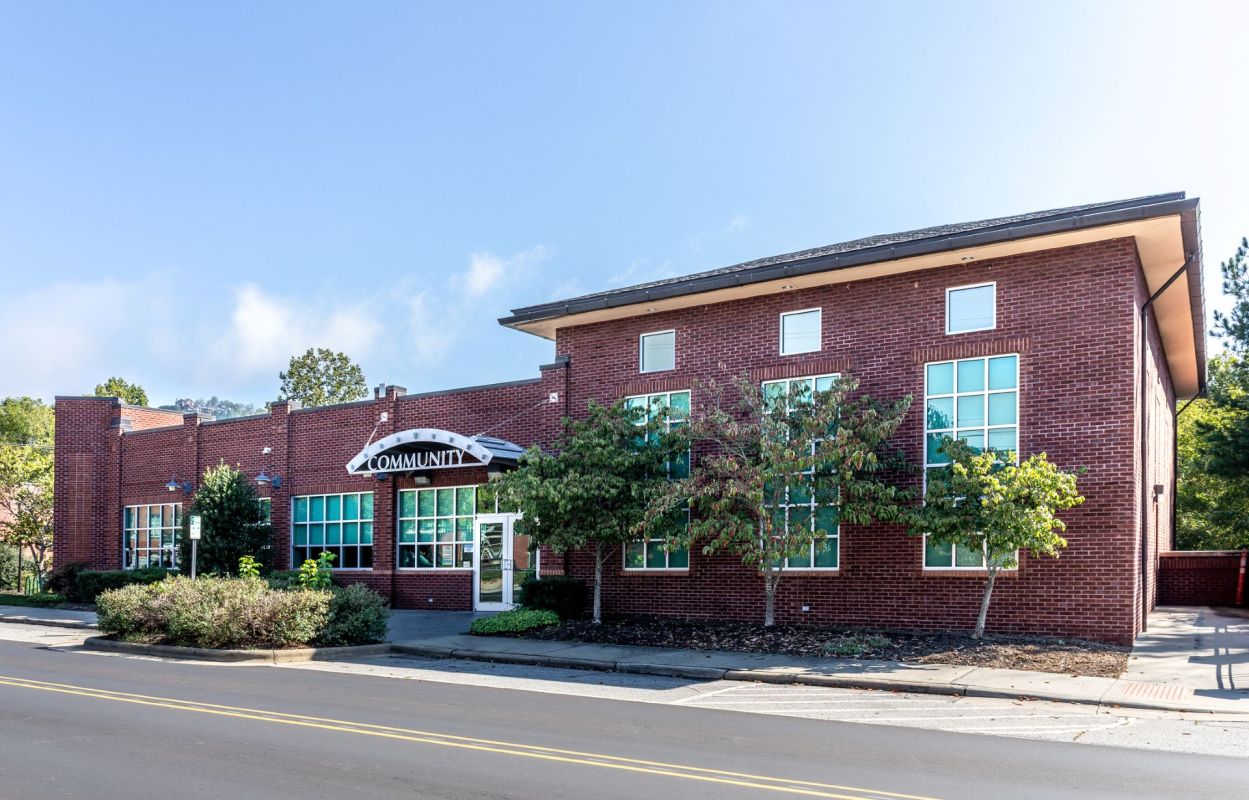
College Station, Texas, opened free indoor cooling spaces in public buildings this week as the Brazos Valley faced a stretch of dangerous heat.
Those air-conditioned sites give residents another option if their homes are too hot or if keeping air conditioning on all day would drive up their power bills too much.
Here's what to know
According to Fox 44, the city said several municipal facilities could be used by the public during normal business hours when extreme heat becomes too much. Forecasters expected the Brazos Valley's heat index to hit dangerous levels.
These free cooling spaces include the Ringer Library, City Hall, the Halter Nature Center, the Lincoln Recreation Center, the Meyer Senior and Community Center, and the Southwood Community Center.
These spaces are meant for people who need to come in from the heat as well as anyone whose AC isn't keeping up.
College Station, which is known as the home of Texas A&M University, also shared guidance for staying safe during bouts of extreme weather, Fox 44 reported. People should check on older family members and neighbors who are vulnerable to extreme heat in addition to avoiding sugary, alcoholic, or caffeinated beverages.
TCD Picks » Quince Spotlight
💡These best-sellers from Quince deliver affordable, sustainable luxury for all




More background
Safe indoor public spaces can help people avoid medical emergencies while reducing the need to keep home systems running nonstop.
Extreme heat can worsen dehydration; lead to heat exhaustion or heat stroke; and put older adults, children, outdoor workers, and people with health conditions at greater risk.
The sites may also help families limit what they spend on electricity. During very hot weather, households might weigh extra hours of AC use against the danger of letting indoor temperatures climb. Many cannot afford to keep air conditioning running through an extended heat wave.
Where can I learn more?
As heat grows more intense and more dangerous, stories such as this are becoming more common. The articles below look at where the heat is headed, how the power grid is responding, and why it matters to catch heat illness early.
• Across Texas, heat waves are becoming more common as extreme conditions raise long-term safety concerns.
• In Texas, renewables have softened the blow by supporting power supplies during brutal heat.
• Forecasters warned unbearable heat could spread beyond Texas, leaving much of the South sweltering.
These stories help explain the risks Texas communities face when extreme heat drags on.

Get TCD's free newsletters for easy tips, smart advice, and a chance to earn $5,000 toward home upgrades. To see more stories like this one, change your Google preferences here.






