


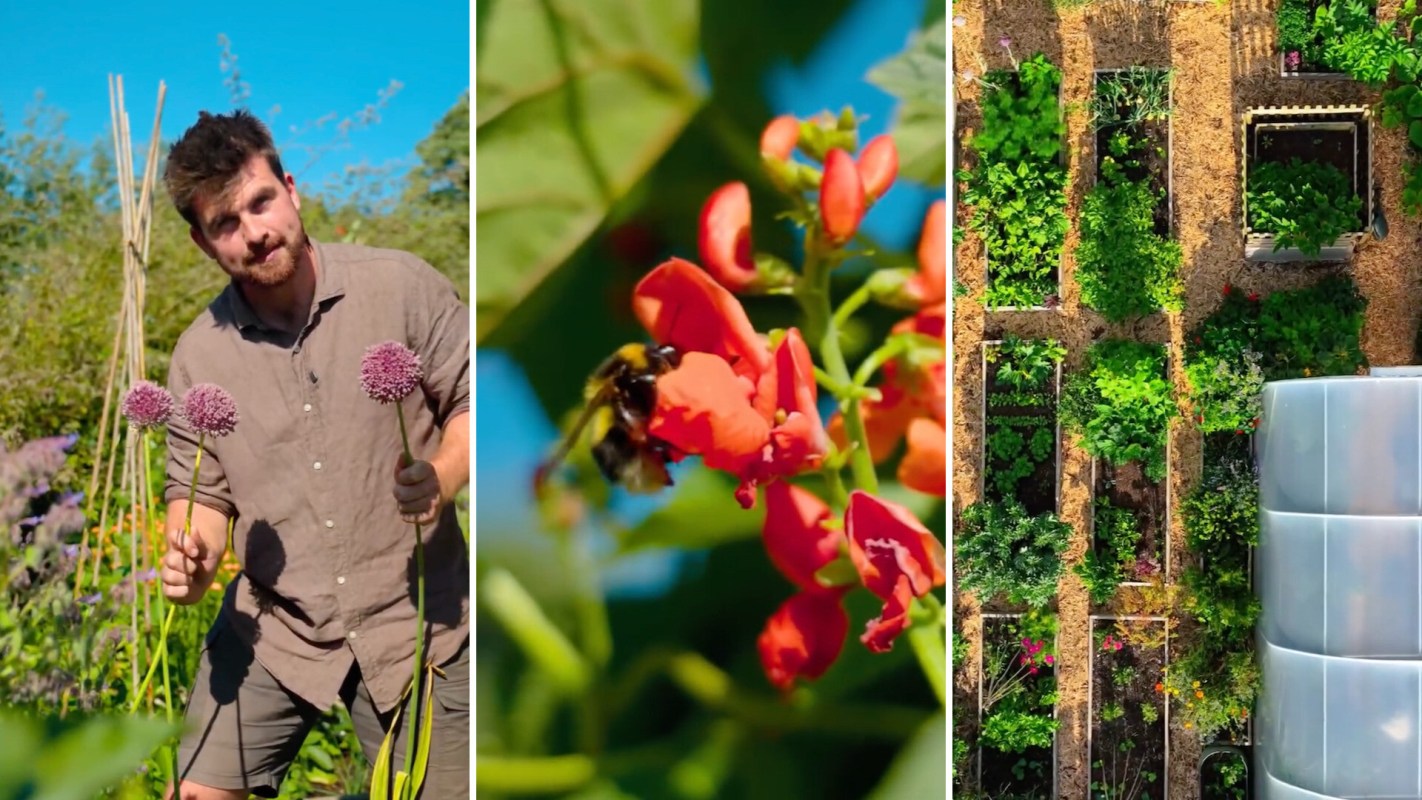
Sometimes the most effective garden pest control is not something you buy at all. It could already be hovering, crawling, or landing nearby — if your garden gives it a reason to show up. A recent tip from gardening content creator Huw Richards highlights a simple idea: Plant more flowers, and beneficial insects can help protect your crops.
What's happening?
Gardening creator Huw Richards recently shared an Instagram Reel posted by @gardena_uk highlighting flowers as a simple way to support natural pest management in a home garden.
As Richards put it, "The easiest way to protect your plot from pests is to recruit beneficial insects to your garden."
One reason this works is that blooms draw in pollinators and other helpful insects, and the young of some of those species are known for feeding on aphids.
"The larvae of pollinators like hoverfly and lacewings, they eat aphids for breakfast, lunch and dinner," Richards said.
Richards said gardeners can use several kinds of plants to attract these insects, including fragrant herbs like dill and coriander, edible flowers such as calendula, nasturtium, and borage, and even vegetables allowed to flower. He specifically mentioned leeks and radish for this purpose, and added that a varied garden can also attract ladybirds, also known as ladybugs.
TCD Picks » Quince Spotlight
💡These best-sellers from Quince deliver affordable, sustainable luxury for all




In the caption, Richards encouraged gardeners to "let nature help keep unwanted visitors under control."
One Instagram user commented how they agree with this natural and beneficial pest control method: "I let some parsnips flower when we had had enough of them and they were full of insects. It's also been so dry here that I think some of them may have been so dry that they could possibly be suitable for some home saved seeds!"
Why does it matter?
This approach can offer a lower-cost, lower-maintenance alternative to constantly buying pest-control products. Attracting beneficial insects will not solve every garden problem overnight, but it can help create a more balanced backyard ecosystem.
Growing vegetables like leeks and radishes that Richards suggests also adds a tasty addition to your fridge for free—no need to go to the grocery store to pick up fresh vegetables. Fresh-picked vegetables also tend to taste better than store-bought options that have spent days in transit or sitting on shelves.
Gardening can support mental health by reducing stress and giving people a rewarding daily routine, while digging, lifting, watering, and harvesting add light physical activity.
When gardeners rely less on chemical treatments, they can also help support pollinators and other useful insects at the same time. That creates a healthier growing environment across seasons.
What can I do?
If you want to try this approach, start small. Add flowering herbs near vegetable beds, tuck in edible flowers, and consider letting a few plants such as radishes or leeks bloom instead of pulling everything at once.
A mix of flower shapes and bloom times can help attract a wider range of insects. It also helps to avoid broad-spectrum pesticide use when possible, since those products can harm the beneficial bugs you are trying to attract.
If you want more practical ideas, The Cool Down has a guide to controlling pests without chemicals.
As Richards put it, "So basically, grow loads of flowers to invite in the good guys and they'll help keep control of the bad guys."
One commenter summed up the appeal more simply: "Flowers recruit my soldiers in the garden."

Get TCD's free newsletters for easy tips, smart advice, and a chance to earn $5,000 toward home upgrades. To see more stories like this one, change your Google preferences here.






