


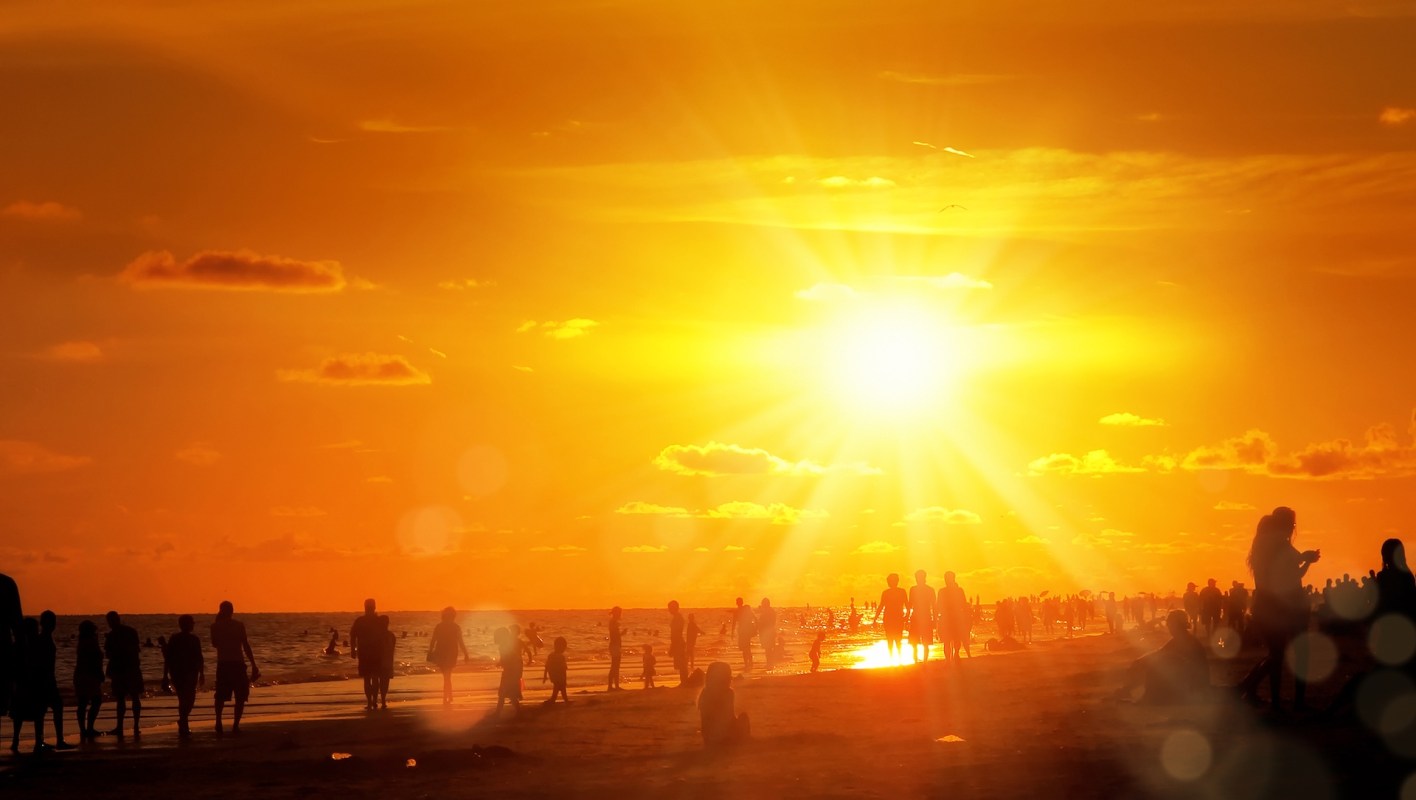
The Sunshine State is about to endure one of its hottest stretches yet with little relief on the horizon.
As The Daytona Beach News-Journal reported, almost all of Florida is currently facing a widespread heat alert.
What's happening?
With humidity pushing "feels like" temperatures to as high as 112 in some places, heat alerts covered 62 of Florida's 67 counties on Aug. 11, the News-Journal noted. Only five counties in the far western Panhandle were outside the advisory area.
Most National Weather Service offices in Florida issue a heat advisory when projected heat index values fall in the 108-to-112-degree range. In Miami-Dade County, that threshold is lower: 105 degrees.
"Hot and humid conditions will continue for at least the next several days," The National Weather Service Melbourne warned, as relayed by the News-Journal. "Maximum heat index values will reach near or at heat advisory criteria — 108 degrees — through at least Friday (Aug. 14)."
Rain is not expected to bring much relief in many areas, the News-Journal added. Forecasters said drier air aloft, tied in part to a Saharan dust layer, could limit storms while also supporting strong wind gusts in the thunderstorms that do develop.
TCD Picks » Quince Spotlight
💡These best-sellers from Quince deliver affordable, sustainable luxury for all




Why is this concerning?
Extreme heat can be deadly. The Centers for Disease Control and Prevention says extreme heat causes more than 700 deaths each year in the United States.
Heat illness can affect anyone, but the risks are higher for older adults, children, pregnant people, people with asthma or heart disease, and anyone who works or exercises outdoors.
Humidity makes it harder for the body to cool itself through sweating. The National Weather Service also noted that full sunshine can make it feel up to 15 degrees hotter than the listed heat index.
Prolonged heat can drive up power bills, reduce productivity, and increase the risk of medical emergencies for people without reliable cooling. It can also put added pressure on schools, caregivers, and communities trying to protect vulnerable residents.
What can I do?
The CDC says to reduce outdoor exposure as much as possible during dangerous heat, as the News-Journal noted. If you must be outside, seek shade, rest often, and shift activities to the cooler parts of the day or to the evening.
Air conditioning is the safest indoor option. Fans can help only when indoor temperatures are below 90 degrees. Above that, the CDC said they can actually raise body temperature.
People who do not have access to air conditioning can call 211 or contact a local health department or emergency management agency to find cooling options.

Get TCD's free newsletters for easy tips, smart advice, and a chance to earn $5,000 toward home upgrades. To see more stories like this one, change your Google preferences here.






