


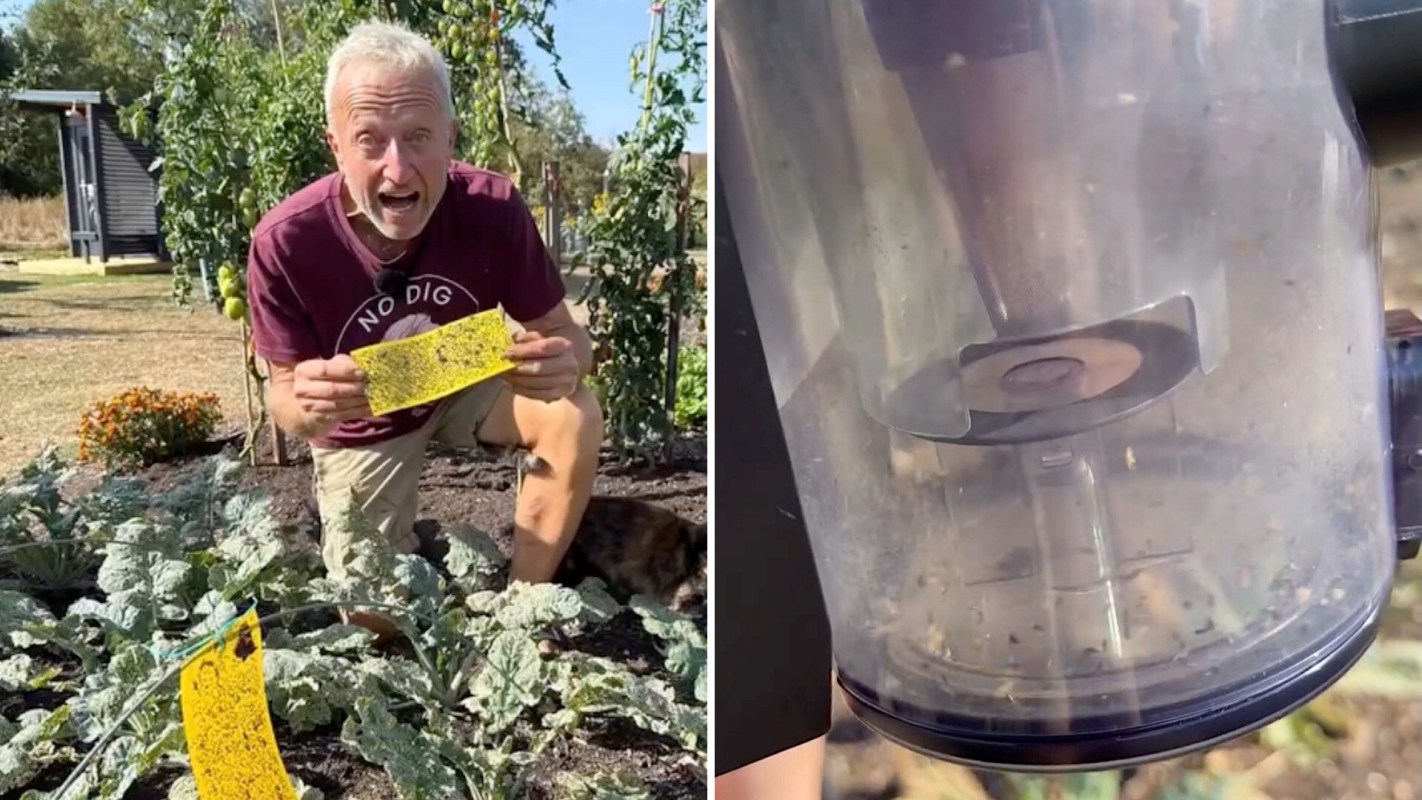
Home gardeners are often prepared to lose a few leaves to pests, but no-dig gardening expert Charles Dowding (@charles_dowding) highlighted a more troubling problem in a video showing flea beetles continuing to tear through kale and swedes despite several low-chemical attempts to stop them.
Here's what to know
In Dowding's Instagram reel, he wrote, "Flea beetles have entered their quiet season when they go dormant or hibernate — but this year, they continue to breed and be voracious."
Dowding had already tested multiple approaches.
"I tried diatomaceous earth, no difference, then this portable vacuum cleaner has reduced numbers a little, and probably the biggest effect is from the yellow sticky traps, but even so, they keep eating!" he wrote.
Dowding also pointed to plant size as a possible factor. He said the black Tuscan kale had been set in the ground, while the swedes in the bigger bed were planted as larger starts, "which has made the difference."
One commenter wrote, "It's been pretty wild for them this year."
TCD Picks » Quince Spotlight
💡These best-sellers from Quince deliver affordable, sustainable luxury for all




More background
Flea beetles are tiny jumping insects that can leave brassica leaves covered in what looks like pinholes. For gardeners trying to grow kale, swedes, and other greens at home, that kind of damage can shrink harvests and weaken plants just as cooler-season crops should be thriving.
Growing food at home can help reduce grocery costs, particularly for expensive leafy greens, and many gardeners say homegrown produce tastes fresher than store-bought options. Time in the garden can also support mental health by relieving stress and boosting physical health through regular outdoor movement.
What can be done?
Rather than yielding one clear fix, Dowding's results pointed to a combination of tactics with mixed success. Yellow sticky traps seemed to have the strongest effect in his garden, the handheld vacuum reduced beetle numbers somewhat, and larger transplants appeared better able to handle the pressure than smaller ones.
Commenters shared additional suggestions as well.
One recommended using nasturtiums as a decoy plant, writing, "Plant nasturtiums nearby. They love them. Helped keep them off my veg."
Another suggested a trap crop of fast-growing brassicas, while a third said they were "scared to take the nets off anything."
For gardeners hoping to protect their harvest without turning to harsher treatments, controlling pests without chemicals can be a practical place to start.
As one commenter put it: "Sort of makes me feel a bit better it's not just us. Will be lucky to have any greens this autumn."

Get TCD's free newsletters for easy tips, smart advice, and a chance to earn $5,000 toward home upgrades. To see more stories like this one, change your Google preferences here.







