


Hot, dry weather can be tough on gardeners for several reasons, but one pest proved especially frustrating for one homeowner.
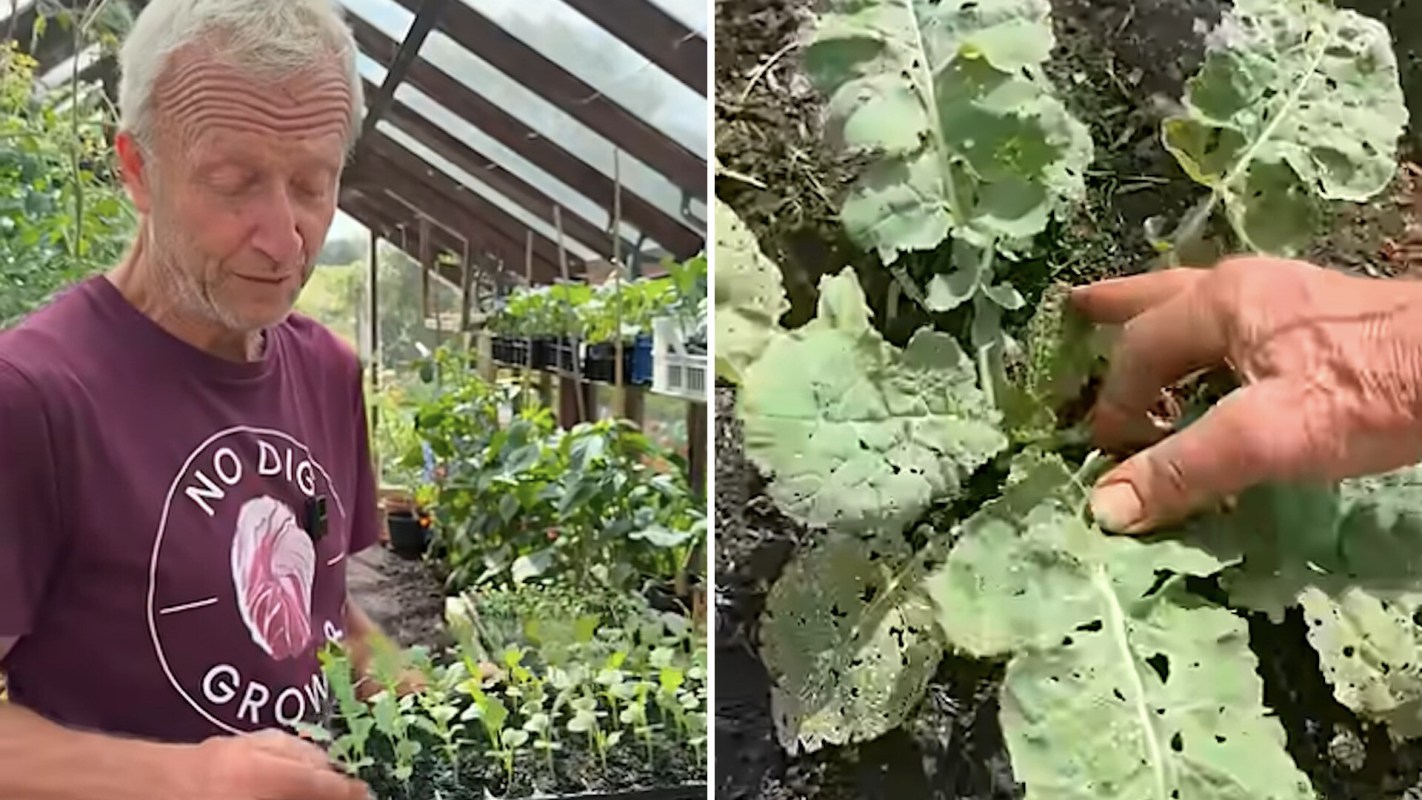
A new video from longtime gardening expert Charles Dowding (@CharlesDowding1nodig) showed how fast flea beetles can turn healthy seedlings into "almost a disaster."
What happened?
In a video on YouTube, Dowding documented flea beetle damage in his garden and said the outbreak had intensified during an unusually warm, dry spell.
One of the clearest examples in the video was a set of recently transplanted kale plugs that were struggling badly. Dowding said plants were being hit hardest, while lettuce and other vegetables had much less damage.
"Flea beetles have been terrible here this year," he said, showing the vegetation that had been chewed on by the pests.
He said harvests of the leafy greens fell significantly short this season.
TCD Picks » Quince Spotlight
💡These best-sellers from Quince deliver affordable, sustainable luxury for all




Commenters said the issue was widespread.
"You're not alone," one wrote. "Lost all my brassicas. I'm trying to resow what I can."
Why does it matter?
Pest pressure can mean small harvests and replanting. Growing food at home can help people save money on produce while also providing fresher, better-tasting vegetables, but pests can put a damper on those benefits.
Gardening can also support mental and physical health, from encouraging regular outdoor movement to providing the stress relief many people get from tending plants. When a pest wipes out seedlings, it can be especially discouraging for new gardeners hoping to build confidence and cut grocery bills.
The video underscores how shifts in weather can change garden problems. Dowding noted that flea beetles do well in dry conditions, while leafy vegetables need steady moisture, so hot weather can create a particularly difficult setup for those crops.
What can I do?
In the video, he shared two strategies for managing flea beetles: keeping plants well-watered and waiting to transplant large, established seedlings. He explained that flea beetle populations often decline as summer progresses, with numbers typically easing through August and into the fall.
In his own garden, Dowding found that the plants performing best were the beneficiaries of more effective watering or had been allowed to grow large and strong before being transplanted outdoors. These healthier plants were better able to withstand flea beetle damage.
A commenter shared their own strategies, writing: "I planted some extra radish to eat and groundhog radish as a cover crop. I use the radish as a trap crop. The flea beetles were attracted to the radish, and they mostly ignored the kale and the eggplant."

Get TCD's free newsletters for easy tips, smart advice, and a chance to earn $5,000 toward home upgrades. To see more stories like this one, change your Google preferences here.






