


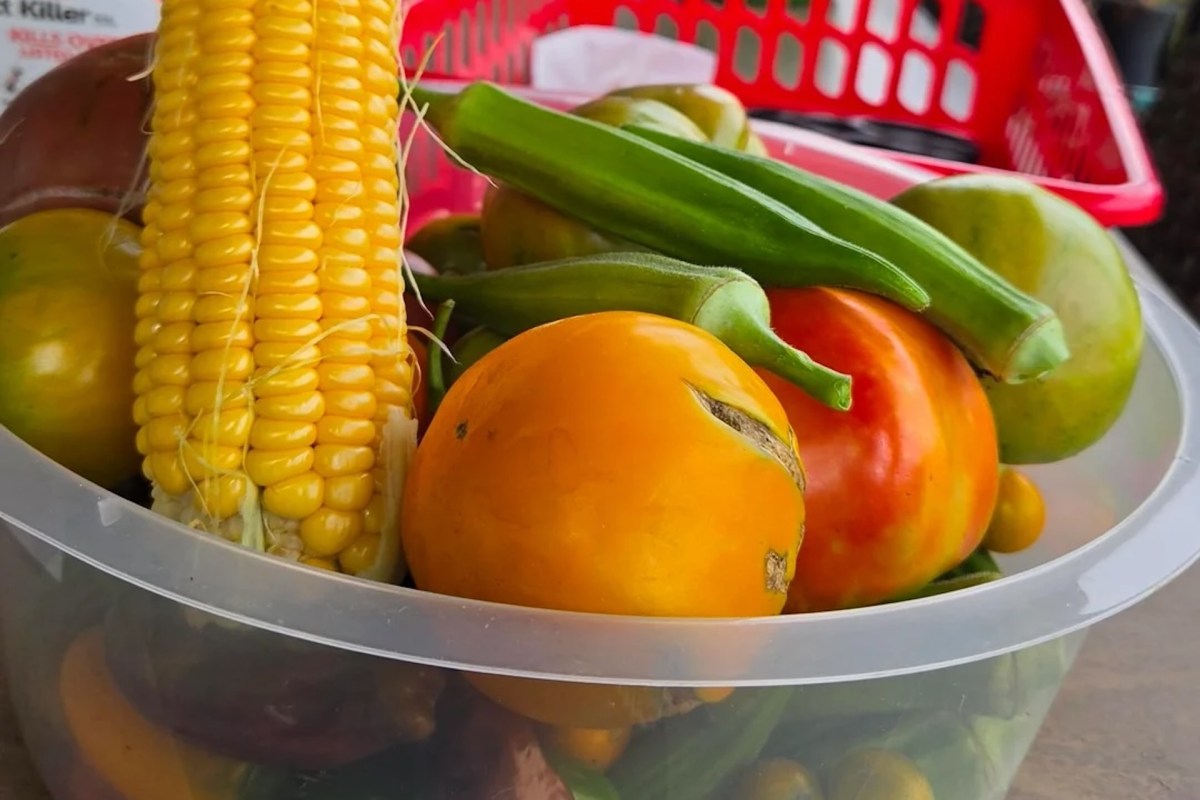
Edible corn and a sizable okra picking came out of a garden that had already been battered by wind. For a first-time grower who assumed flattened stalks meant a letdown, the harvest turned into an encouraging beginner win.
What happened?
The gardener shared the update in a post on Reddit. Even after wind knocked the corn plants over, the crop still made it to harvest.
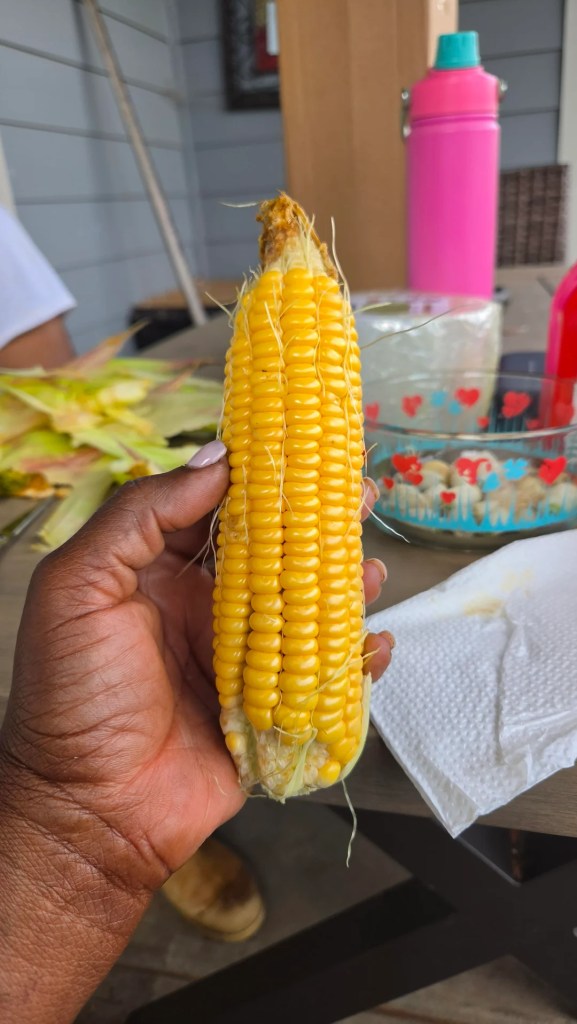
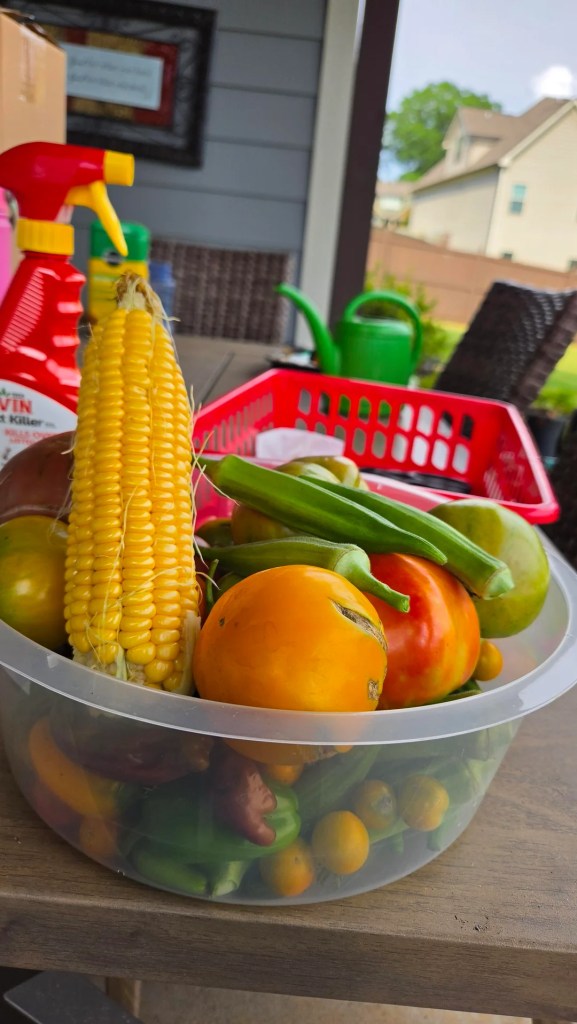
"Planted corn first time. Didn't expect this result especially since the wind toppled them over. [Well], surprisingly here's the first of ten. Let's see if the others will do well," the poster wrote alongside a photo of the corn as well as one of a large bowl filled with the rest of their harvest.
The post serves as a reminder that a rough-looking garden is not automatically a failed one, and that plants can be messy, uneven, or damaged and still produce food.
The replies were helpful and upbeat. People traded advice about pests, talked about freezing extra produce, and emphasized getting better from one season to the next instead of expecting everything to go perfectly on the first try.
Why does it matter?
A garden does not have to be in perfect shape to be worthwhile. Wind, pests, and uneven growth can all show up, and a crop may still deliver food in the end.
TCD Picks » Quince Spotlight
💡These best-sellers from Quince deliver affordable, sustainable luxury for all




Growing food at home can cut grocery costs, particularly for produce you use a lot. It can also mean eating food that is fresher and often more flavorful because it is harvested at peak ripeness rather than after days of transit and storage.
There are health upsides, too. Digging, carrying, watering, and weeding provide light physical activity, while the routine of tending plants can reduce stress and offer a satisfying sense of progress.
That kind of early result can matter for beginners. A first harvest that comes despite setbacks may be enough to keep someone growing, experimenting with new crops, and depending a little less on store-bought produce.
What can I do?
If you want to try gardening, starting small is often the simplest move. Containers, a few raised-bed plants, or a modest backyard plot can still grow enough to noticeably help in the kitchen.
It also helps to expect some imperfections. Wind, insects, and changing weather are part of the process, so staking tall plants, choosing varieties that fit your climate, and checking leaves often for pest problems can make a meaningful difference.
Extra produce can be useful long after harvest day if you preserve it. Freezing, pickling, or sharing with friends and neighbors can reduce waste and help you get more from a productive stretch in the garden.

Get TCD's free newsletters for easy tips, smart advice, and a chance to earn $5,000 toward home upgrades. To see more stories like this one, change your Google preferences here.







