


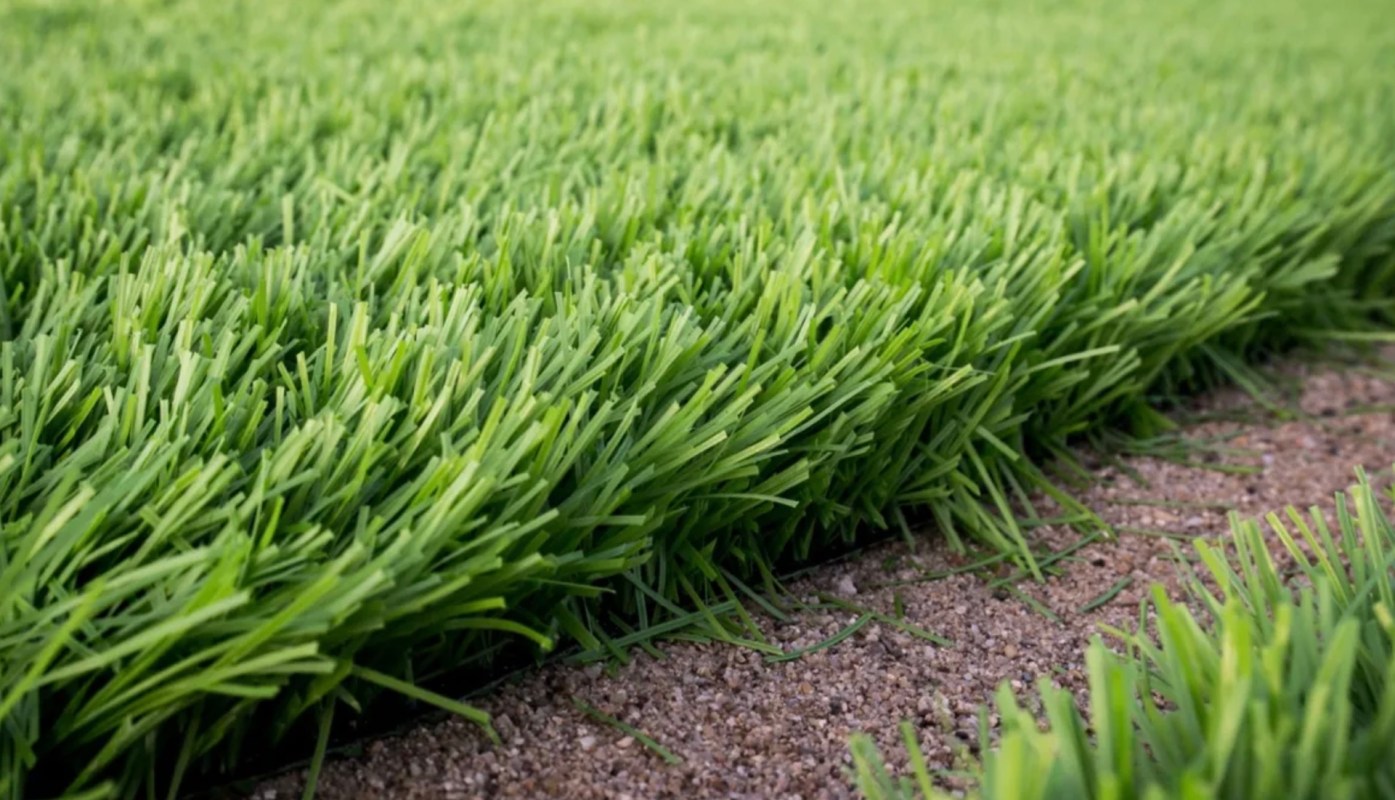
A popular drought-friendly landscaping choice is turning out to be more work than many homeowners expected. According to Apartment Therapy, professional landscapers said one of the biggest yard regrets for homeowners is installing fake grass or artificial turf.
Ward Dilmore, Petrus Landscaping founder and head landscape designer, told Apartment Therapy that fake grass isn't as low-maintenance as it might seem.
"In fact, it requires regular maintenance to maintain its realistic appearance and if you have pets it will need to be hosed down regularly to reduce unwanted odors," explained Dilmore.
Clean Water Action reported that outdoor turf also needs regular disinfection because it can get moldy and may be susceptible to the buildup of animal feces.
While companies promote fake grass as a water-efficient alternative to natural lawns, it still needs water for cleaning — and that's not its only drawback.
"Artificial turf also gets very hot in the summer in direct sun and cannot be walked on unless a sprinkler system is installed just for cooling of the turf," Dilmore added.
TCD Picks » Quince Spotlight
💡These best-sellers from Quince deliver affordable, sustainable luxury for all




On top of that, artificial turf sheds microplastics that can end up in the soil and waterways, adding an environmental cost to its upkeep. Then, there's the problem with health hazards associated with forever chemicals and their disposal once fake grass reaches its end of life.
According to a report from The New York Times' Wirecutter, synthetic turf components are nearly impossible to separate for recycling. This causes them to pile up in landfills, where they continue to shed microplastics.
Homeowners looking to lower upkeep can consider a range of eco-friendly swaps, such as native plants, clover lawns, buffalo grass, or xeriscaping. Rewilding yards and switching to a natural lawn, for instance, can reduce watering and mowing needs.
These actions also support local pollinators, which play a crucial role in protecting the food supply and maintaining healthy ecosystems.
|
What's the hardest thing about taking care of your yard? Click your choice to see results and speak your mind. |
 Mowing the lawn 🏡
 Moreover, natural lawns prevent soil erosion and serve as air filters, absorbing pollutants, according to the University of Plymouth.
When switching to native plants, homeowners need to understand what they are and what they need.
According to The Inspired Garden Masterclass CEO, Laura Janney, some homeowners end up disliking native plants because they can look "messy" and affect curb appeal.
There's also the matter of care and maintenance. "People tend to think that native means no maintenance, but these plants and gardens still need to be watered and taken care of," said Janney.

Join our free newsletter for easy tips to save more and waste less, and don't miss this cool list of easy ways to help yourself while helping the planet.






