


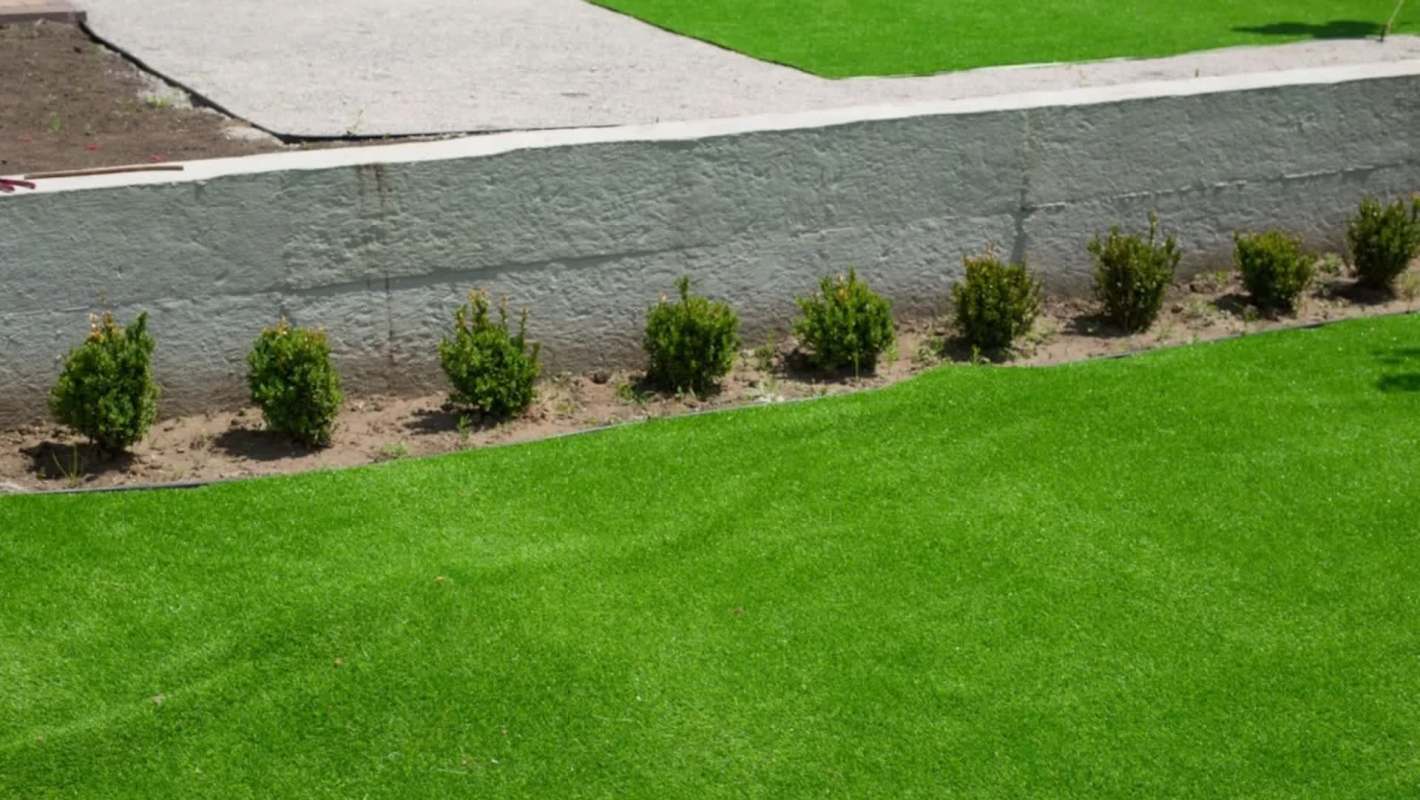
Los Angeles is considering a ban on fake grass fields amid concerns about the health effects of the chemicals in this material, the Los Angeles Times reported.
Currently, California is the state that installs the most fake grass each year: about 1,100 acres of it annually. A similar trend has been occurring in Australia. Supporters like it because it doesn't technically need to be watered or treated with pesticides.
However, opponents have raised some serious concerns about this material and its effect on children's health in particular.
First of all, fake grass is made of strands of nylon or other synthetic materials imitating grass, with grains of various infill materials in between, ranging from recycled tires to olive pits. Whereas grass actually slightly cools down the area around it, fake grass absorbs sunlight and gets incredibly hot — up to 160 degrees Fahrenheit or more, enough to cause first- and second-degree burns.
"These surfaces get really hot," said Sarah Evans, assistant professor of environmental medicine at the Icahn School of Medicine at Mount Sinai in New York, per the Los Angeles Times. According to her, her own children say their "feet feel like they're burning … even with shoes on. So it's really, really unsafe temperatures under a lot of conditions."
There is a way to cool it down: watering it. But that eliminates one of the main benefits of fake grass while leaving many problems.
It can cause other injuries, as well. The cleats on athletic shoes, designed to sink into grass and soil, interact differently with fake turf, leading to ankle and knee injuries.
Worse, chemicals in the nylon and in some of the infill materials pose a risk to those who play on the fields, as they may be touching, breathing, or even ingesting PFAS and other dangerous substances.
While some studies have purported to show fake grass materials as safe, the methodology has been called into question, having failed to identify hundreds of the chemicals involved, or having focused only on the infill material without examining the nylon. Meanwhile, other research shows that some of the known chemicals found in artificial turf are dangerous and can cause serious health issues in laboratory animals.
This is also the worst option for the environment. In addition to heating up its surroundings, fake grass is made up of plastic products and sheds microplastics into the surrounding environment at a rate of thousands of pounds per year.
TCD Picks » Quince Spotlight
💡These best-sellers from Quince deliver affordable, sustainable luxury for all




A much more eco-friendly alternative that would still use less water is to plant a native plant lawn, or another low-water alternative like clover or buffalo grass. These options cool the surroundings instead of heating them, use no hazardous chemicals, and are even beneficial to wildlife and pollinators, 100% better than fake turf.
|
Should artificial turf be banned from sports fields? Click your choice to see results and speak your mind. |
 Absolutely! 💯
Join our free newsletter for easy tips to save more and waste less, and don't miss this cool list of easy ways to help yourself while helping the planet.
Cool Picks






