


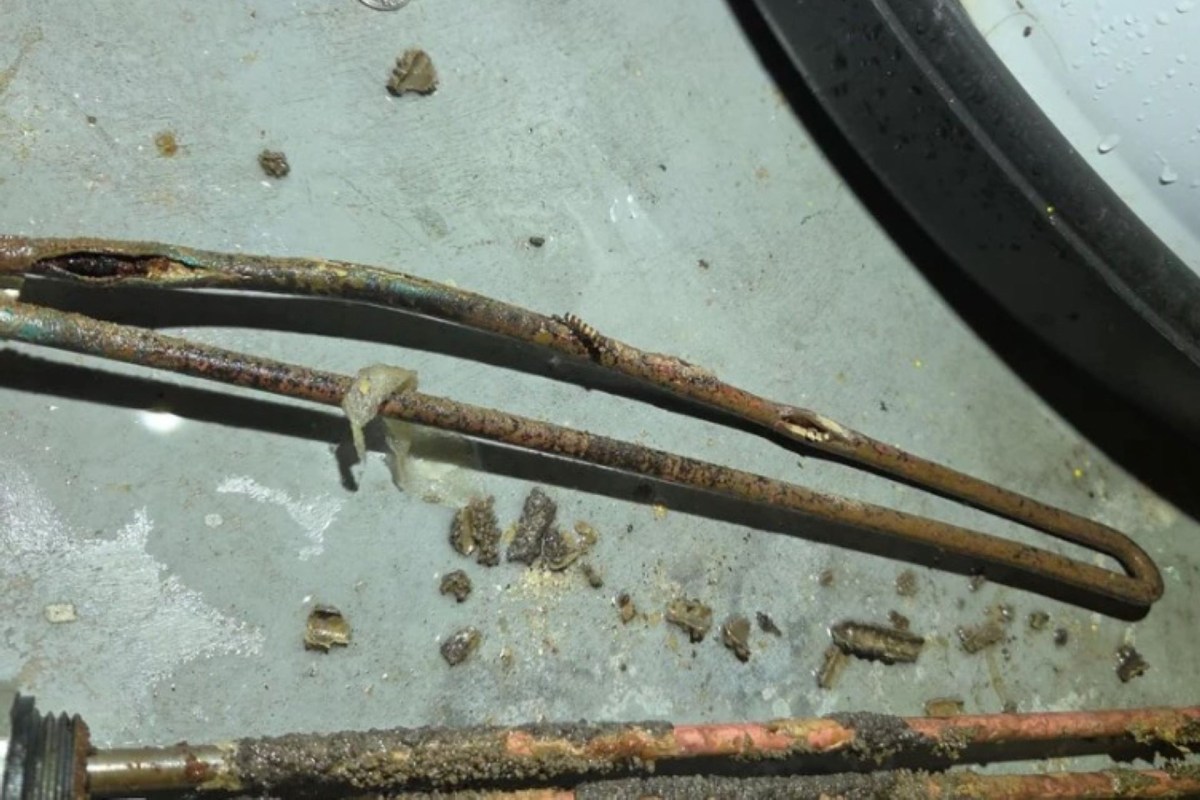
What started as a small leak at a water heater element did not stay so small. After a DIY repair and a full refill, the unit was still delivering cold water.
One homeowner ran into exactly that problem after changing both heating elements on an electric tank and finding that the hot water never returned.
What happened?
According to a Reddit user, the trouble began when the lower element on their girlfriend's electric water heater started leaking.
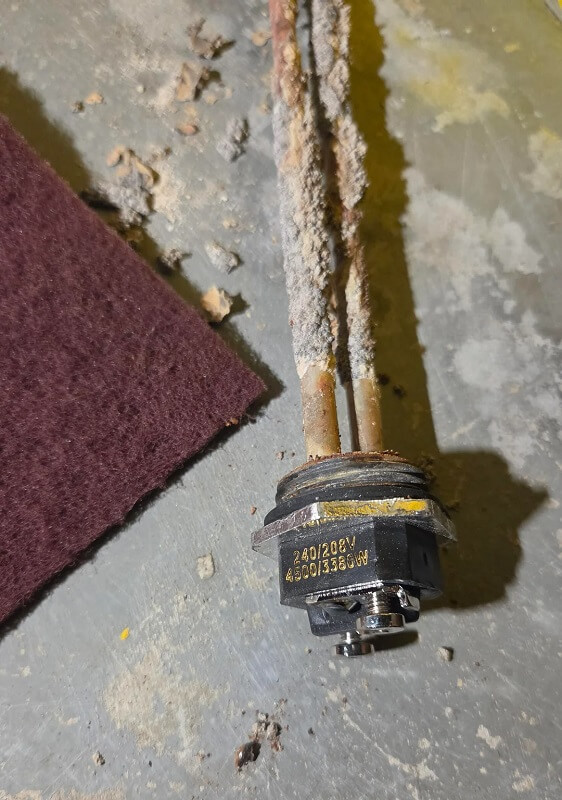
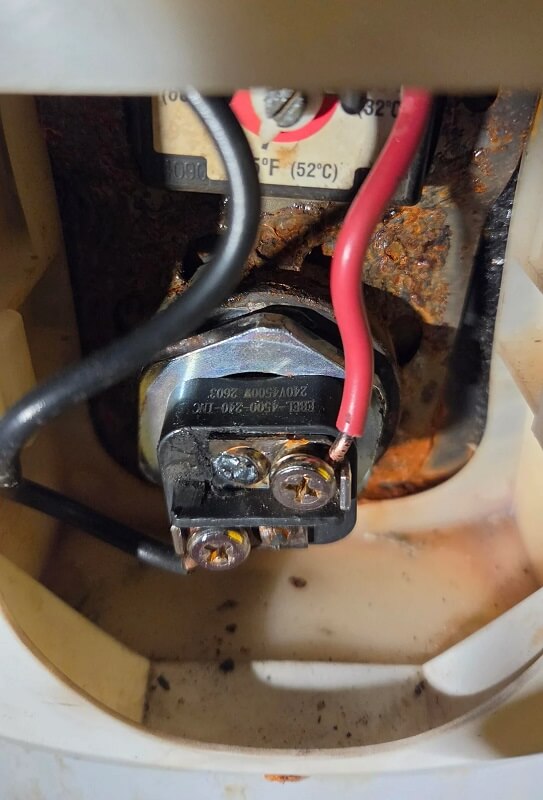
The couple replaced both parts with 4,500-watt, 240-volt elements, drained and refilled the tank, and turned the power back on. Even then, the heater still was not producing hot water.
The electrical readings made the situation even harder to pin down. The poster said each element terminal showed 122 volts, and the reset button appeared to do nothing. That pointed to something more involved than a basic element replacement.
Why does it matter?
Replacing a water heater element is often one of the least expensive repairs for an electric water heater.
TCD Picks » Quince Spotlight
💡These best-sellers from Quince deliver affordable, sustainable luxury for all




If the repair works, the savings can be significant.
But when the real problem involves electrical supply, control components, or safety shutoffs, trial and error can get expensive quickly. Replacing working parts does not restore hot water, and misdiagnosing a 240-volt appliance can introduce serious safety concerns.
It can also push homeowners to replace the entire tank sooner than necessary — a much more expensive outcome once installation is factored in.
What can I do?
If an electric water heater suddenly stops producing hot water, it can help to narrow down the problem before ordering replacement parts.
A leaking or visibly burned-out element may still need to be replaced, but a no-heat issue can also stem from thermostats, reset switches, breakers, or a lost 240-volt supply.
For people who are comfortable working around appliances, basic troubleshooting can include making sure the breaker is fully reset, confirming the tank is completely full before restoring power, and checking voltage correctly across the proper terminals — not just from each leg to ground.
If that process sounds unfamiliar, that is likely a sign to stop and call a licensed electrician or plumber.
Repairing an existing electric water heater can extend the appliance's life, reduce unnecessary waste, and keep a relatively affordable repair from turning into an emergency replacement.

Get TCD's free newsletters for easy tips, smart advice, and a chance to earn $5,000 toward home upgrades. To see more stories like this one, change your Google preferences here.






