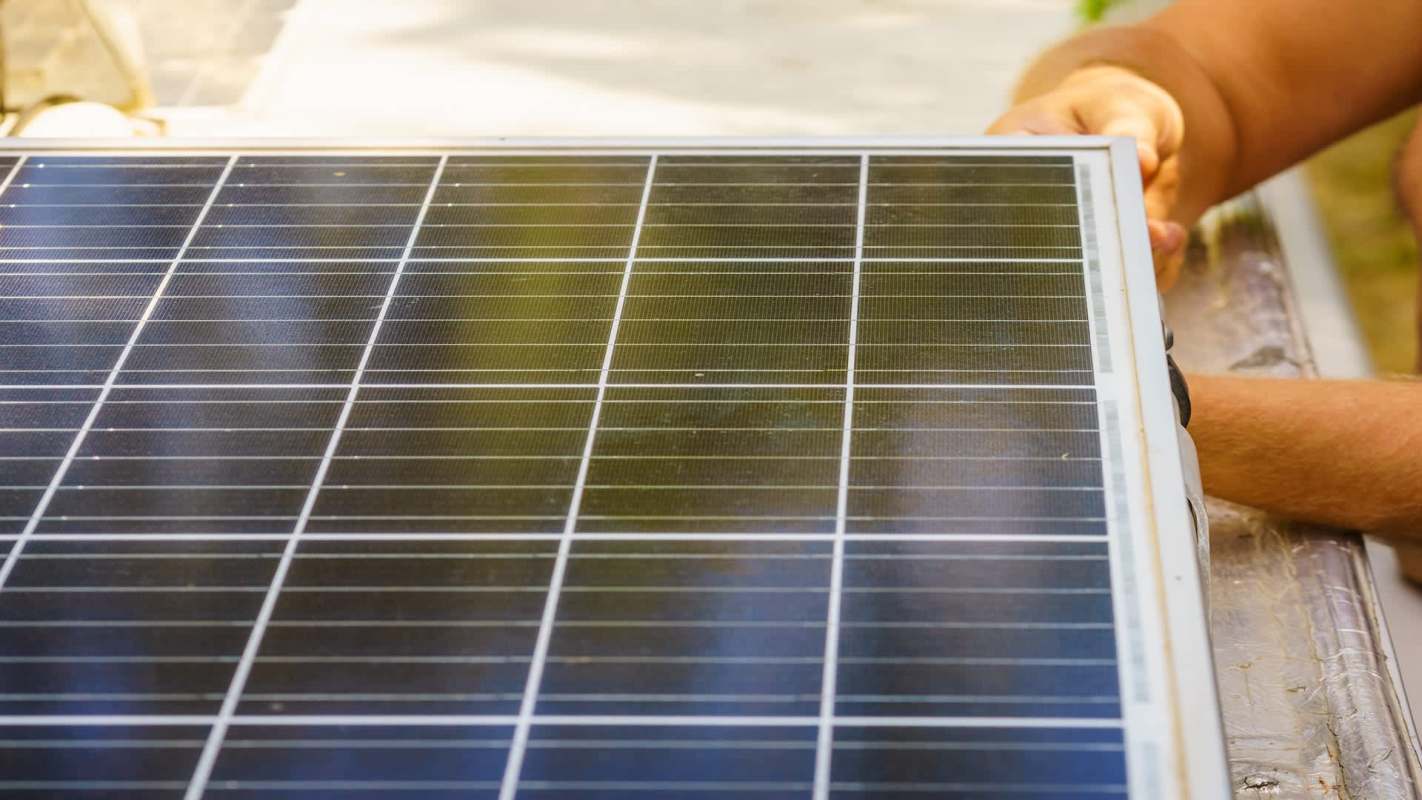
After a homeowner missed the deadline to claim a 30% tax credit for solar panels, they turned to Reddit's r/SolarDIY community to ask whether it was still worth going solar.
Here's what to know
Based on a projected price of roughly $24,000, the homeowner estimated a payback period of about 6.5 years.
The original poster wrote, "I've been looking into DIY solar for a while… I currently pay $300 a month with level pay for my electricity. I use about 60ish kWhs a day, as I have a server rack in my garage. I recently had a DIY system designed and want to make sure I am going in the right direction."
The OP then described a plan as using 36 SunPlus 445-watt bifacial panels, a Sol-Ark 18K inverter, Tigo optimizers, and two 16-kilowatt-hour batteries. The homeowner then asked, "Is this a good direction for me to go?... Appreciate any insights."
Not everyone thought the equipment list needed to remain as is. One commenter wrote, "If you can handle a redesign. Go emphase. IQ8 MC. May be slightly higher cost but damn they just work."
Another added, "You will need at least another battery, winter nights are long and the sun is weak."
More background
In this case, a $300 electric bill makes the path to savings clearer than it would be for a low-usage home.
The proposed array is also sizable, at just over 16 kilowatts of solar panels, which lines up with a household using around 60 kilowatt-hours per day. The two batteries would add backup power and flexibility, allowing the home to store electricity for later use.
Save $10,000 on solar panels without even sharing your phone number Want to go solar but not sure who to trust? EnergySage has your back with free and transparent quotes from fully vetted providers that can help you save as much as $10k on installation. To get started, just answer a few questions about your home — no phone number required. Within a day or two, EnergySage will email you the best local options for your needs, and their expert advisers can help you compare quotes and pick a winner. |

A system like this can help stabilize energy costs, reduce exposure to utility rate hikes, and provide more resilience during outages.
What can be done?
For anyone working through similar numbers, the first step is to compare equipment choices, installer pricing, and expected production before making a purchase. DIY solar can save money, but it also raises the stakes if a design decision proves less reliable or harder to service.
EnergySage's free services can help reduce that uncertainty. It can be worth exploring EnergySage to get free solar installation estimates and compare quotes. Those who do can save up to $10,000 on installations.
Homeowners can also check EnergySage's solar map, which shows the average cost of a home solar panel system by state, along with details on solar panel incentives for each state.
More From EnergySage
💡Go deep on the latest news and trends shaping the residential solar landscape

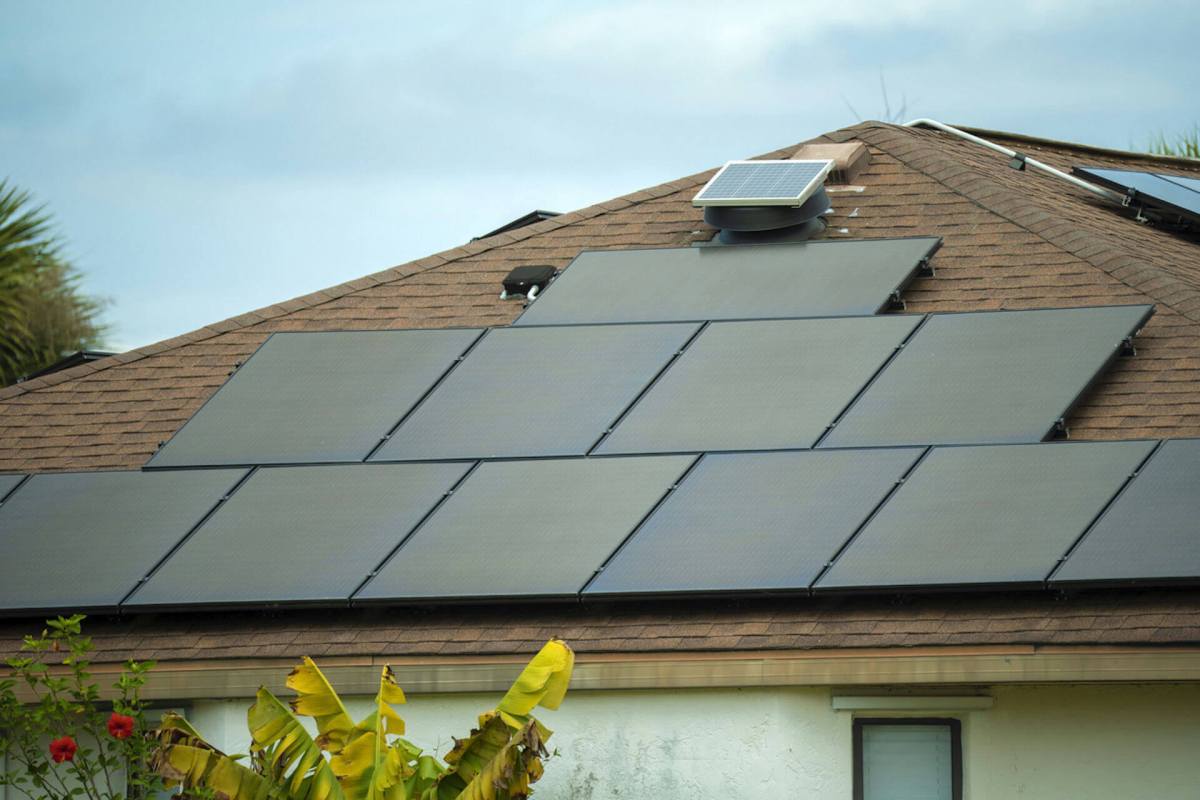

Together, these resources can help readers get the best price for rooftop solar panels and access available incentives.
Adding battery storage to a solar setup is one of the best ways to protect your home during outages, save money on energy, and go off grid. Home batteries can also help you use more of the power your panels produce instead of relying as heavily on the grid. Homeowners can explore EnergySage for information about home battery storage options, including competitive installation estimates.

Get TCD's free newsletters for easy tips, smart advice, and a chance to earn $5,000 toward home upgrades. To see more stories like this one, change your Google preferences here.